Product Description
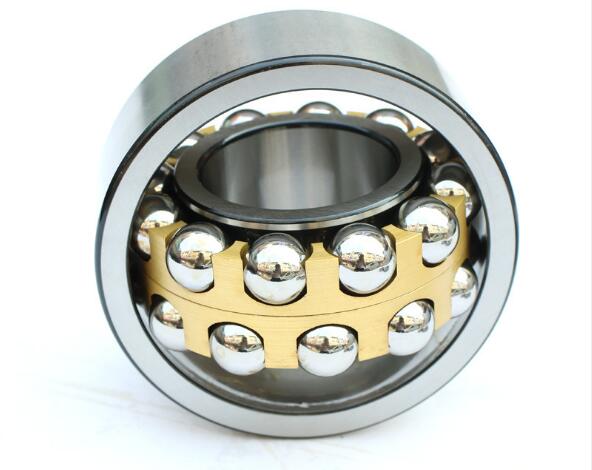
Auto Parts Self-Aligning Needle Bearing High Misalignment Precision Spherical Roller Bearing
Product Description
Spherical roller bearings
Spherical roller bearings have 2 rows of rollers, a common sphered outer ring raceway and 2 inner ring raceways inclined at an angle to the bearing axis. The centre point of the sphere in the outer ring raceway is at the bearing axis. Therefore the bearings are self-aligning and insensitive to misalignment of the shaft relative to the housing, which can be caused, for example, by shaft deflection. Spherical roller bearings are designed to accommodate heavy radial loads, as well as heavy axial loads in both directions.
Product Parameters
Detailed Photos
Company Profile
HangZhou HONGSHI MACHINERY AND ELECTRICAL EQUIPMENT CO.,LTD. (formerly HangZhou Hengmai Bearing Co., Ltd.) was established in 2007, and HMMH is our own brand.
HMMH mainly produces spherical roller bearings, pillow block ball bearing, deep groove ball bearings and cylindrical roller bearings. Spherical roller bearing products range from 20mm to 1M, with the main production of crusher bearings 22300 series. Low noise deep groove ball bearings, product accuracy can reach ZV2, ZV3, ZV4, mainly produces motor bearings 6200, 6300 series. pillow block ball bearing, mainly producing UCP, UCF, UCFL, UCFC, UCT series, the products are mainly used in agricultural machine and peeling machine. We also use the bainite quenching process to ensure the hardness of the bearing, using good testing equipment, such as roundness meter, profiler, roughness meter, universal measuring instrument, spectrometer, metallographic microscope to control each detail quality monitoring.
To ensure product quality, we have established a strict quality control system and an experienced team of engineers and after-sales service. From forgings to final products we have a strict quality control system.
Your needs are our production motivation, and your satisfaction is our goal. We are willing to serve our customers with the goal of “Quality First, Service First, Credit First”.
FAQ
1.A:How can I do customized design?
Q:We are request for the drawing with the measurement, material and other speicifcation as details as you can, and for the customized products, our MOQ is 10 pcs per design
2.Q: How can I get a sample?
A: If you only need 1or 2 samples for small size inner weight below 2kgs, we can supply free samples and we have stocks, you can just pay the shipping cost .if you need several design samples, then you should paid the cost with shipping.
3.Q: What package do you usually use?
A: Usually we use single box or tape. Also according to customer’s special requirement.
4.Q:How long do you need for production? Or what’s your production lead time?
A:Usually could be sent our in 2-3 days if in stock for samples. Customized item usually need 14-30 days to produce.
5.Q:How long will you guarantee your quality?
A:We supply test report and quality control photos from materials to finished goods during production.
6.Q:How to do after sale service?
A:Good after-sale service is our promise. Before placing orders, our professional engineer will discuss all technical data and your bearing usage condition and CZPT you what kind of steel materials to fit your products and usage life possible.
/* January 22, 2571 19:08:37 */!function(){function s(e,r){var a,o={};try{e&&e.split(“,”).forEach(function(e,t){e&&(a=e.match(/(.*?):(.*)$/))&&1
| Product Name: | Spherical Roller Bearing |
|---|---|
| Quality: | High Quality |
| Rolling Body: | Roller Bearings |
| The Number of Rows: | Double |
| Outer Dimension: | Large (200-430mm) |
| Material: | Bearing Steel |
| Customization: |
Available
| Customized Request |
|---|
How do innovations and advancements in self-aligning bearing technology impact their use?
Advancements and innovations in self-aligning bearing technology have a significant impact on their use in various industries. Here’s a detailed explanation:
- Improved Performance:
Innovations in self-aligning bearing technology often result in improved performance characteristics. These advancements can include:
- Load Capacity: New bearing designs and materials can enhance the load-carrying capacity of self-aligning bearings, allowing them to withstand higher loads or operate under more demanding conditions.
- Speed Capability: Advancements in bearing manufacturing techniques and materials can increase the maximum rotational speed at which self-aligning bearings can operate effectively, enabling their use in high-speed applications.
- Friction Reduction: Innovations in bearing design, lubrication, and surface treatments contribute to reducing friction and energy losses, resulting in improved efficiency and reduced operating costs.
- Sealing and Contamination Resistance: New sealing technologies and materials can enhance the sealing performance of self-aligning bearings, providing better protection against contaminants, moisture, and harsh environmental conditions.
- Temperature and Corrosion Resistance: Advances in bearing materials and coatings enable self-aligning bearings to withstand extreme temperatures, aggressive chemicals, and corrosive environments, expanding their range of applications.
- Extended Service Life:
Innovations in self-aligning bearing technology often result in improved durability and longevity. These advancements can include:
- Materials: The development of new bearing materials, such as advanced steels, ceramics, or composites, can significantly enhance the bearing’s resistance to wear, fatigue, and surface damage, leading to extended service life.
- Lubrication: Advancements in lubrication technologies, such as the use of solid lubricants or advanced grease formulations, can provide better film formation, reduce friction, and minimize wear, thereby increasing the bearing’s operating life.
- Surface Treatments: Innovative surface treatments, such as coatings or finishes, can improve the bearing’s resistance to corrosion, wear, and fretting, contributing to longer service intervals and reduced maintenance requirements.
- Condition Monitoring: The integration of sensor technologies and data analytics in self-aligning bearings enables real-time monitoring of operating conditions, allowing for proactive maintenance and early detection of potential failures, thus maximizing the bearing’s service life.
- Application Expansion:
Advancements in self-aligning bearing technology often lead to an expansion of their application range. These advancements can include:
- New Industries: Innovations in self-aligning bearing technology can enable their use in industries or applications where they were previously not feasible. This opens up opportunities in emerging sectors, such as renewable energy, electric vehicles, robotics, or medical devices.
- Challenging Environments: Improved performance characteristics, such as enhanced sealing, temperature resistance, or contamination resistance, allow self-aligning bearings to be deployed in challenging environments, including offshore installations, high-temperature processes, or chemically aggressive applications.
- Specialized Applications: Advancements in self-aligning bearing technology can lead to the development of specialized bearing variants tailored for specific applications, such as high-speed machining, precision equipment, or demanding industrial automation systems.
Overall, innovations and advancements in self-aligning bearing technology bring about enhanced performance, extended service life, and expanded application possibilities. These advancements drive improvements in industrial productivity, reliability, and efficiency, making self-aligning bearings a valuable component in a wide range of industries and applications.

Can you explain the installation and alignment considerations for self-aligning bearings?
Proper installation and alignment are crucial for the optimal performance and longevity of self-aligning bearings. Here’s a detailed explanation of the installation and alignment considerations:
- Pre-Installation Preparation:
Prior to the installation of self-aligning bearings, it is essential to ensure a clean and suitable working environment. Here are some key considerations:
- Cleanliness: The work area should be clean and free from dust, dirt, and contaminants to prevent the ingress of foreign particles during the installation process.
- Tools and Equipment: Prepare the necessary tools and equipment required for the installation, including suitable lifting devices, torque wrenches, and lubrication apparatus.
- Inspection: Thoroughly inspect the bearing and its components for any signs of damage or defects. Replace any worn or damaged parts before proceeding with the installation.
- Lubrication: Apply the recommended lubricant to the bearing and ensure that it is properly distributed before installation. Lubrication helps reduce friction, prevent excessive wear, and facilitate smooth operation.
- Mounting Considerations:
When mounting self-aligning bearings, it is important to follow certain guidelines to ensure proper fit and alignment:
- Shaft and Housing Tolerances: Check the shaft and housing tolerances to ensure they comply with the specifications provided by the bearing manufacturer. Proper tolerances help achieve the correct fit and prevent excessive clearance or interference.
- Shaft and Housing Preparation: Clean the shaft and housing surfaces and remove any burrs or rough edges that could interfere with the bearing’s seating. Ensure that the shaft and housing are machined to the recommended tolerances and finishes.
- Mounting Method: There are various methods for mounting self-aligning bearings, including press fitting, thermal expansion, and hydraulic mounting. Follow the manufacturer’s instructions and recommended mounting method to ensure a secure and accurate fit.
- Sealing: If the self-aligning bearing has integral seals or shields, ensure that they are correctly positioned and aligned during installation. Proper sealing helps protect the bearing against contaminants and extends its service life.
- Tightening: When tightening the bearing onto the shaft or in the housing, use the recommended torque values provided by the manufacturer. Over-tightening can lead to excessive preload or damage, while under-tightening can result in insufficient seating and compromised performance.
- Alignment Considerations:
Proper alignment is crucial for self-aligning bearings to function optimally. Here are some alignment considerations:
- Angular Misalignment: Self-aligning bearings can accommodate angular misalignment to a certain degree. However, it is important to keep the misalignment within the manufacturer’s specified limits to prevent excessive stress and premature wear.
- Shaft Deflection: Consider the potential shaft deflection that may occur during operation and ensure that the self-aligning bearing can handle the expected deflection without exceeding its capacity. This may involve selecting a bearing with appropriate load-carrying capacity and considering additional support or stabilization measures.
- Alignment Verification: After installation, verify the alignment of the self-aligning bearing by measuring the axial and radial runout using appropriate alignment tools. Adjust the positioning if necessary to achieve the desired alignment within the specified tolerances.
By following these installation and alignment considerations, you can ensure the proper fit, alignment, and performance of self-aligning bearings. Adhering to the manufacturer’s guidelines and best practices helps maximize the lifespan and reliability of the bearings in various applications.
How do self-aligning bearings differ from fixed or non-self-aligning bearings?
Self-aligning bearings differ from fixed or non-self-aligning bearings in several ways. Here’s a detailed explanation of the differences between these types of bearings:
- Design and Construction:
The design and construction of self-aligning bearings are distinct from fixed or non-self-aligning bearings. Self-aligning bearings have a spherical outer ring raceway, which allows for misalignment compensation. In contrast, fixed or non-self-aligning bearings typically have a cylindrical or tapered outer ring raceway, designed for precise alignment between the shaft and the housing.
- Misalignment Compensation:
The primary difference between self-aligning bearings and fixed or non-self-aligning bearings is their ability to compensate for misalignment. Self-aligning bearings can accommodate angular misalignment, axial misalignment, and shaft deflection, whereas fixed or non-self-aligning bearings have limited tolerance for misalignment and require precise alignment during installation.
- Load Distribution:
Self-aligning bearings distribute the load more evenly across the rolling elements and raceways, thanks to their ability to accommodate misalignment. This helps reduce localized stresses and minimize the risk of premature failure. Fixed or non-self-aligning bearings, without the ability to compensate for misalignment, may experience uneven loading and increased stress on specific areas, leading to accelerated wear and potential failure.
- Friction and Wear:
Due to their misalignment compensation capability, self-aligning bearings help reduce friction and wear. Misalignment in fixed or non-self-aligning bearings can cause increased friction and localized wear, leading to reduced bearing life. Self-aligning bearings distribute the load more evenly, minimizing friction and wear on the rolling elements and raceways, resulting in improved reliability and longevity.
- Application Range:
The different design and misalignment compensation capability of self-aligning bearings make them suitable for a broader range of applications compared to fixed or non-self-aligning bearings. Self-aligning bearings are commonly used in applications where misalignment is expected, such as heavy machinery, conveyor systems, and mining equipment. Fixed or non-self-aligning bearings are typically employed in applications that require precise alignment, such as machine tools or high-precision equipment.
- Installation and Maintenance:
Self-aligning bearings offer easier installation and maintenance compared to fixed or non-self-aligning bearings. The self-aligning capability of these bearings allows for more flexibility during the installation process, accommodating slight misalignments. In contrast, fixed or non-self-aligning bearings require careful alignment procedures to ensure proper functioning. Additionally, self-aligning bearings are often designed for easier maintenance, enabling tasks such as re-greasing or replacement without extensive disassembly.
In summary, self-aligning bearings differ from fixed or non-self-aligning bearings in their design, misalignment compensation capability, load distribution, friction and wear characteristics, application range, and ease of installation and maintenance. These differences make self-aligning bearings particularly suitable for applications where misalignment is expected or dynamic operating conditions are present.


editor by CX 2024-04-29