Product Description
Product Description
| Self-aligning ball bearings | 1200series | 1226 |
| 1300series | ||
| 2200series | ||
| 2300series |
Company Profile
Packaging & Shipping
FAQ
1.What is the minimum order quantity for this product?
Can be negotiated, we will try our best to meet customer needs.Our company is mainly based on wholesale sales, most customers’orders are more than 1 ton.
2.What is your latest delivery time?
Most orders will be shipped within 3-5 days of payment being received.
3.Does your company have quality assurance?
Yes, for 2 years.
4.What is the competitiveness of your company’s products compared to other companies?
High precision, high speed, low noise.
5.What are the advantages of your company’s services compared to other companies?
Answer questions online 24 hours a day, reply in a timely manner, and provide various documents required by customers for customs clearance or sales. 100% after-sales service.
6.Which payment method does your company support?
Do our best to meet customer needs, negotiable.
7.How to contact us quickly?
Please send us an inquiry or message and leave your other contact information, such as phone number, account or account, we will contact you as soon as possible and provide the detailed information you need.
/* March 10, 2571 17:59:20 */!function(){function s(e,r){var a,o={};try{e&&e.split(“,”).forEach(function(e,t){e&&(a=e.match(/(.*?):(.*)$/))&&1
| Brand: | Koyo, Timken NSK NTN . |
|---|---|
| Precision: | Z1V1 Z2V2 Z3V3 |
| Cage: | Steel, Nylon, Brass |
| Payment: | L/C, T/T, Western Union |
| OEM Service: | Yes |
| Application: | Transmission, Instrumentation, Electrical |
| Customization: |
Available
| Customized Request |
|---|
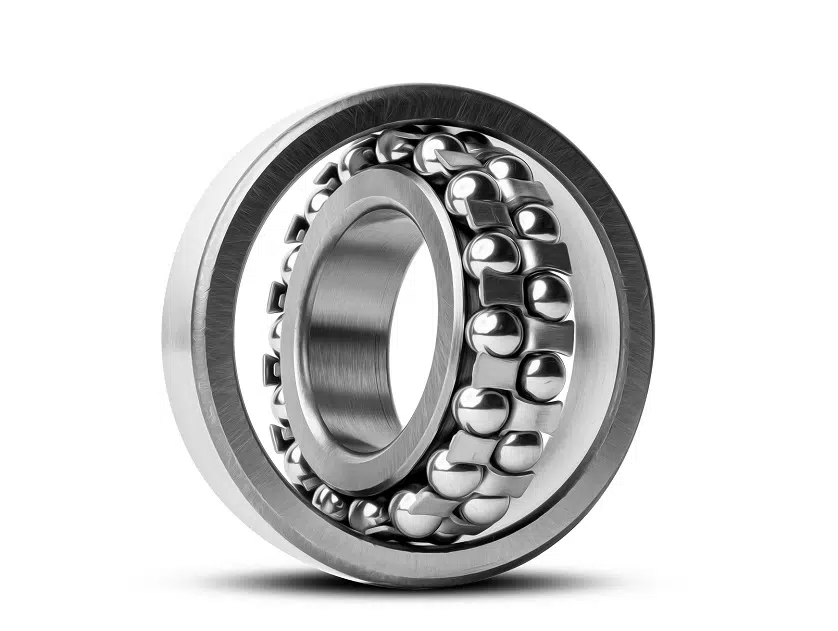
How do self-aligning bearings enhance the overall efficiency and functionality of machinery and equipment?
Self-aligning bearings play a crucial role in enhancing the overall efficiency and functionality of machinery and equipment. Here’s a detailed explanation:
- Compensation for Misalignment:
One of the key benefits of self-aligning bearings is their ability to compensate for misalignment between the shaft and the housing. Misalignment can occur due to various factors such as shaft deflection, thermal expansion, or mounting errors. Self-aligning bearings have the capability to accommodate angular misalignment, axial displacement, and shaft deflection, ensuring smooth operation even in challenging conditions. By accommodating misalignment, self-aligning bearings minimize stress and wear on other components, reducing the risk of premature failure and improving overall machinery efficiency.
- Reduced Friction and Energy Consumption:
Self-aligning bearings are designed to operate with low friction, which helps to reduce energy consumption within the machinery or equipment. The rolling elements and raceways of self-aligning bearings are precisely engineered to minimize contact friction. This reduced friction results in lower power losses, allowing the machinery to operate more efficiently and potentially leading to energy savings.
- Increased Reliability and Service Life:
Self-aligning bearings contribute to the overall reliability and service life of machinery and equipment. By accommodating misalignment and reducing friction, they help to distribute loads evenly, minimize stress concentrations, and prevent premature wear and failures. This improved load distribution and reduced friction can extend the service life of other critical components, such as gears, shafts, and seals. Additionally, self-aligning bearings often feature robust designs and high-quality materials, further enhancing their durability and reliability in demanding operating conditions.
- Enhanced Performance in Challenging Environments:
Self-aligning bearings are well-suited for applications in challenging environments. They can withstand conditions such as high temperatures, extreme speeds, or contaminated operating conditions. The ability to accommodate misalignment and the use of specialized bearing materials and lubricants enable self-aligning bearings to maintain their performance and functionality in adverse conditions. This enhances the overall efficiency and reliability of machinery and equipment in industries such as mining, steel, paper, and food processing.
- Ease of Installation and Maintenance:
Self-aligning bearings are designed for ease of installation and maintenance. Their self-aligning capability simplifies the alignment process during installation, reducing the time and effort required. Additionally, self-aligning bearings often feature integrated seals or shields that help to protect against contamination and retain lubrication, resulting in reduced maintenance requirements. The ease of installation and maintenance of self-aligning bearings contributes to the overall efficiency of machinery and equipment by minimizing downtime and improving overall operational productivity.
Overall, self-aligning bearings enhance the efficiency and functionality of machinery and equipment by accommodating misalignment, reducing friction and energy consumption, increasing reliability and service life, performing well in challenging environments, and enabling easier installation and maintenance. By incorporating self-aligning bearings into their designs, engineers and equipment manufacturers can optimize performance, reduce downtime, and improve the overall efficiency of their machinery and equipment.

Can you explain the installation and alignment considerations for self-aligning bearings?
Proper installation and alignment are crucial for the optimal performance and longevity of self-aligning bearings. Here’s a detailed explanation of the installation and alignment considerations:
- Pre-Installation Preparation:
Prior to the installation of self-aligning bearings, it is essential to ensure a clean and suitable working environment. Here are some key considerations:
- Cleanliness: The work area should be clean and free from dust, dirt, and contaminants to prevent the ingress of foreign particles during the installation process.
- Tools and Equipment: Prepare the necessary tools and equipment required for the installation, including suitable lifting devices, torque wrenches, and lubrication apparatus.
- Inspection: Thoroughly inspect the bearing and its components for any signs of damage or defects. Replace any worn or damaged parts before proceeding with the installation.
- Lubrication: Apply the recommended lubricant to the bearing and ensure that it is properly distributed before installation. Lubrication helps reduce friction, prevent excessive wear, and facilitate smooth operation.
- Mounting Considerations:
When mounting self-aligning bearings, it is important to follow certain guidelines to ensure proper fit and alignment:
- Shaft and Housing Tolerances: Check the shaft and housing tolerances to ensure they comply with the specifications provided by the bearing manufacturer. Proper tolerances help achieve the correct fit and prevent excessive clearance or interference.
- Shaft and Housing Preparation: Clean the shaft and housing surfaces and remove any burrs or rough edges that could interfere with the bearing’s seating. Ensure that the shaft and housing are machined to the recommended tolerances and finishes.
- Mounting Method: There are various methods for mounting self-aligning bearings, including press fitting, thermal expansion, and hydraulic mounting. Follow the manufacturer’s instructions and recommended mounting method to ensure a secure and accurate fit.
- Sealing: If the self-aligning bearing has integral seals or shields, ensure that they are correctly positioned and aligned during installation. Proper sealing helps protect the bearing against contaminants and extends its service life.
- Tightening: When tightening the bearing onto the shaft or in the housing, use the recommended torque values provided by the manufacturer. Over-tightening can lead to excessive preload or damage, while under-tightening can result in insufficient seating and compromised performance.
- Alignment Considerations:
Proper alignment is crucial for self-aligning bearings to function optimally. Here are some alignment considerations:
- Angular Misalignment: Self-aligning bearings can accommodate angular misalignment to a certain degree. However, it is important to keep the misalignment within the manufacturer’s specified limits to prevent excessive stress and premature wear.
- Shaft Deflection: Consider the potential shaft deflection that may occur during operation and ensure that the self-aligning bearing can handle the expected deflection without exceeding its capacity. This may involve selecting a bearing with appropriate load-carrying capacity and considering additional support or stabilization measures.
- Alignment Verification: After installation, verify the alignment of the self-aligning bearing by measuring the axial and radial runout using appropriate alignment tools. Adjust the positioning if necessary to achieve the desired alignment within the specified tolerances.
By following these installation and alignment considerations, you can ensure the proper fit, alignment, and performance of self-aligning bearings. Adhering to the manufacturer’s guidelines and best practices helps maximize the lifespan and reliability of the bearings in various applications.
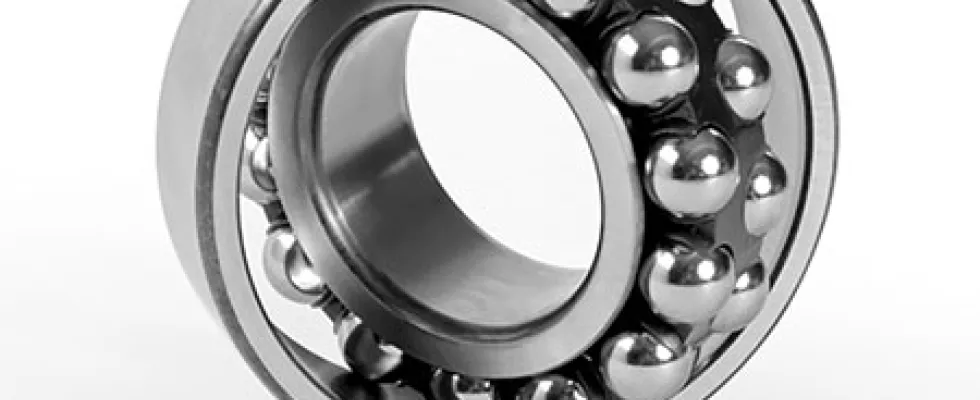
What are self-aligning bearings, and how do they function in machinery?
Self-aligning bearings are a type of rolling contact bearings that are designed to accommodate misalignment between the shaft and the housing in machinery. They are commonly used in applications where shaft deflection, shaft misalignment, or mounting errors are expected.
Here’s a detailed explanation of self-aligning bearings and their functioning in machinery:
- Design and Construction:
Self-aligning bearings consist of two main components: an inner ring with the rolling elements and an outer ring with a spherical raceway. The inner ring is typically mounted on the rotating shaft, while the outer ring is mounted in the housing. The rolling elements, usually balls or rollers, are positioned between the inner and outer rings to facilitate smooth rotation.
The key feature of self-aligning bearings is the spherical shape of the outer ring raceway. This design allows the bearing to accommodate angular misalignment between the shaft and the housing, as well as any axial misalignment or shaft deflection that may occur during operation.
- Functioning in Machinery:
Self-aligning bearings function in machinery by providing several important benefits:
- Misalignment Compensation: Self-aligning bearings can compensate for angular misalignment between the shaft and the housing. This is particularly useful in applications where there may be slight misalignments due to manufacturing tolerances, thermal expansion, or shaft deflection under load. The self-aligning capability allows the bearing to maintain proper alignment and minimize stress on the bearing components.
- Reduced Friction and Wear: The ability of self-aligning bearings to accommodate misalignment helps reduce friction and wear. Misalignment can cause uneven loading and increased stress on the bearing, leading to premature failure. By allowing the bearing to adjust its position, self-aligning bearings distribute the load more evenly, reducing friction and wear on the rolling elements and raceways.
- Shock and Vibration Absorption: Self-aligning bearings can also absorb shocks and vibrations that may occur during operation. The spherical shape of the outer ring raceway allows the bearing to move and adjust its position, effectively absorbing and dampening the impact of shocks and vibrations. This helps improve the overall stability, smoothness, and durability of the machinery.
- Easy Installation and Maintenance: Self-aligning bearings are relatively easy to install and maintain. The self-aligning capability simplifies the alignment process during installation, as slight misalignments can be accommodated. Additionally, regular maintenance tasks, such as re-greasing or replacement of the bearing, can be performed more easily due to the flexibility and adjustability of self-aligning bearings.
Overall, self-aligning bearings play a crucial role in machinery by allowing for misalignment compensation, reducing friction and wear, absorbing shocks and vibrations, and providing ease of installation and maintenance. These features contribute to improved performance, reliability, and durability of the machinery in various applications.


editor by CX 2024-02-04