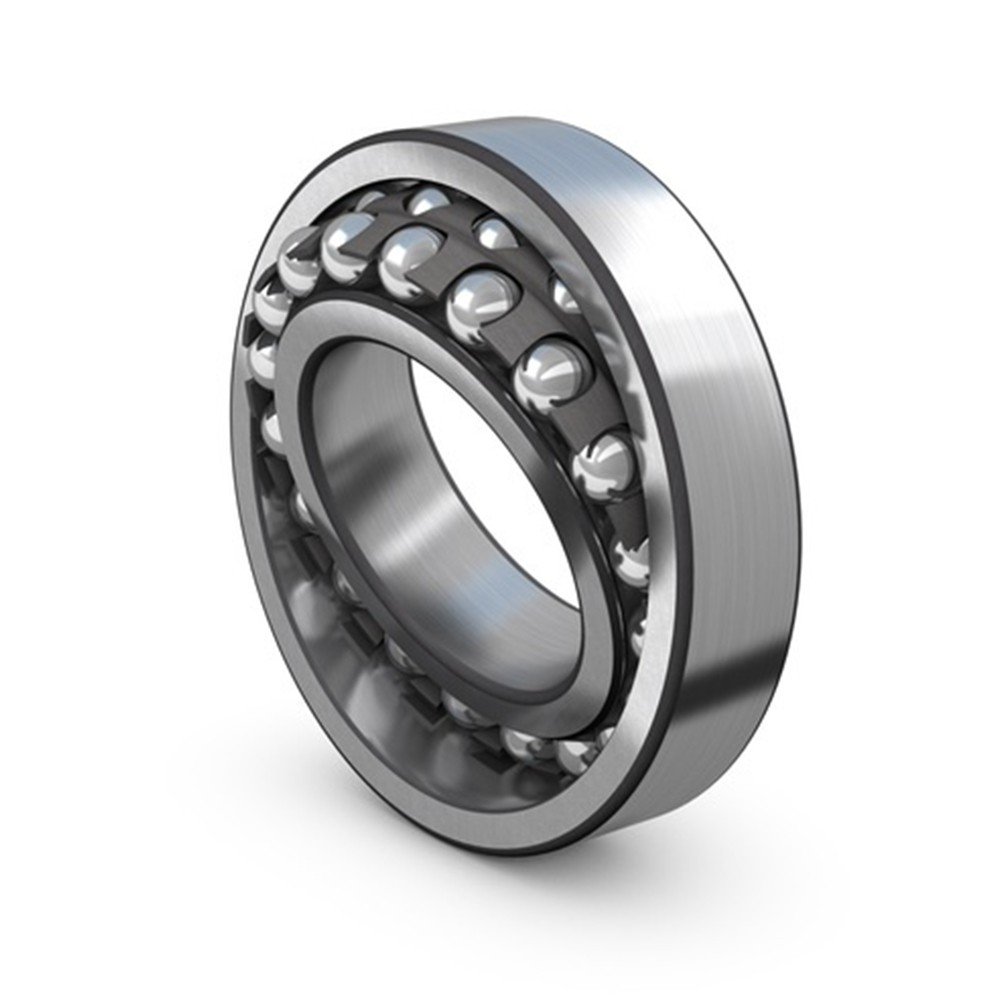
Are there specific considerations for choosing self-aligning bearings in applications with challenging operating conditions or varying misalignment requirements?
Yes, there are specific considerations to take into account when choosing self-aligning bearings for applications with challenging operating conditions or varying misalignment requirements. Here’s a detailed explanation:
- Operating Conditions:
When selecting self-aligning bearings for challenging operating conditions, it’s important to consider factors such as temperature, speed, load, and environmental conditions. High temperatures, extreme speeds, heavy loads, and harsh environments can all impact the performance and durability of the bearing. In such cases, it may be necessary to choose self-aligning bearings with special heat-resistant materials, high-speed capabilities, increased load-carrying capacity, or enhanced corrosion resistance. Additionally, proper lubrication selection and maintenance practices become crucial to ensure optimal performance and longevity of the bearings.
- Misalignment Requirements:
Self-aligning bearings are specifically designed to accommodate misalignment between the shaft and the housing. However, different applications may have varying misalignment requirements. It’s important to consider the magnitude and type of misalignment that the bearing will experience. Some self-aligning bearings can accommodate larger misalignments, while others are designed for smaller or specific types of misalignments, such as angular or parallel misalignment. Understanding the misalignment characteristics of the application is essential to select the appropriate self-aligning bearings that can effectively handle the expected misalignment conditions.
- Load Capacity and Dynamic Performance:
In applications with challenging operating conditions, it’s crucial to assess the load capacity and dynamic performance requirements of the self-aligning bearings. Heavy loads, shock loads, or vibrations can significantly affect the bearing’s performance and service life. It’s important to choose self-aligning bearings with adequate load-carrying capacity, high shock resistance, and robust construction to withstand the demanding conditions. Additionally, the dynamic performance of the bearing, including factors such as rotational speed, acceleration, and deceleration, should be carefully evaluated to ensure that the selected bearings can meet the application’s performance requirements.
- Sealing and Contamination Prevention:
In challenging operating conditions, effective sealing and contamination prevention become crucial for self-aligning bearings. Dust, dirt, moisture, and other contaminants can significantly impact the bearing’s performance and service life. It’s important to select self-aligning bearings with appropriate sealing solutions, such as contact seals, non-contact seals, or hybrid seals, depending on the specific application requirements. These seals help prevent the ingress of contaminants and maintain the integrity of the bearing’s internal components, ensuring reliable operation even in harsh environments.
- Lubrication and Maintenance:
Lubrication and maintenance practices are critical considerations for self-aligning bearings in challenging operating conditions. Proper lubrication selection, including the choice of lubricant type, viscosity, and replenishment frequency, is essential to ensure optimal bearing performance and minimize the risk of premature wear or failure. Additionally, adhering to appropriate maintenance practices, such as regular inspections, re-lubrication, and monitoring of operating conditions, can help identify any potential issues early on and prevent costly downtime or unexpected failures.
By considering these specific factors and requirements, engineers can choose the most suitable self-aligning bearings for applications with challenging operating conditions or varying misalignment requirements. Taking into account the unique demands of the application ensures optimal performance, durability, and reliability of the self-aligning bearings in even the most demanding environments.
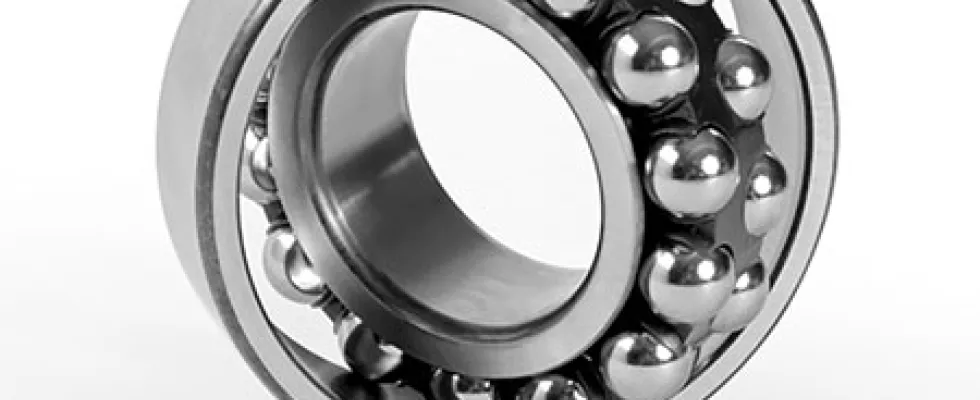
What are the potential challenges or limitations associated with using self-aligning bearings in specific industries?
While self-aligning bearings offer many advantages, there are some potential challenges and limitations associated with their use in specific industries. Here’s a detailed explanation of these considerations:
- Load Capacity:
While self-aligning bearings are designed to handle high loads, there are limits to their load-carrying capacity. In industries with extremely heavy or shock loads, such as heavy machinery, mining, or construction, the load demands may exceed the capabilities of self-aligning bearings. In such cases, alternative bearing designs or additional support mechanisms may be required to handle the extreme load conditions.
- Speed Limitations:
Self-aligning bearings may have certain speed limitations due to factors such as centrifugal forces, increased friction, or potential instability at high rotational speeds. In industries that require very high-speed applications, such as aerospace or certain manufacturing processes, specialized high-speed bearings may be more suitable to ensure optimal performance and prevent premature failure.
- Temperature and Environmental Constraints:
Self-aligning bearings have specific temperature and environmental constraints that can impact their performance. In industries involving extreme temperatures, aggressive chemicals, or harsh environmental conditions, the choice of bearing materials and lubricants becomes critical. Certain industries, such as oil and gas, chemical processing, or marine applications, may require specialized bearing designs or coatings to withstand the demanding operating conditions.
- Maintenance and Lubrication:
Proper maintenance and lubrication are essential for the reliable operation of self-aligning bearings. In industries where access for maintenance is challenging or where frequent maintenance is not feasible, the longevity and performance of self-aligning bearings may be compromised. Additionally, industries with high contamination or abrasive particles in the operating environment may require more frequent lubrication or specialized sealing arrangements to protect the bearings from premature wear and failure.
- Space Limitations:
Self-aligning bearings have a larger footprint compared to some other bearing designs due to their double-row construction and spherical outer ring raceway. In industries with space constraints or compact machinery designs, the dimensions of self-aligning bearings may pose challenges in terms of integration or fitting within limited spaces. In such cases, alternative bearing designs with smaller profiles may be more suitable.
- Cost Considerations:
Self-aligning bearings can be more expensive compared to certain other bearing types, especially in applications that require larger sizes or specialized configurations. In industries with cost-sensitive considerations, such as consumer products or automotive manufacturing, the higher cost of self-aligning bearings may influence the selection of alternative bearing options that can meet the application requirements at a lower cost.
While self-aligning bearings offer numerous benefits, it is important to carefully evaluate the specific challenges and limitations in each industry or application. By considering these factors and consulting with bearing experts or manufacturers, the most suitable bearing solution can be selected to ensure optimal performance, reliability, and cost-effectiveness.
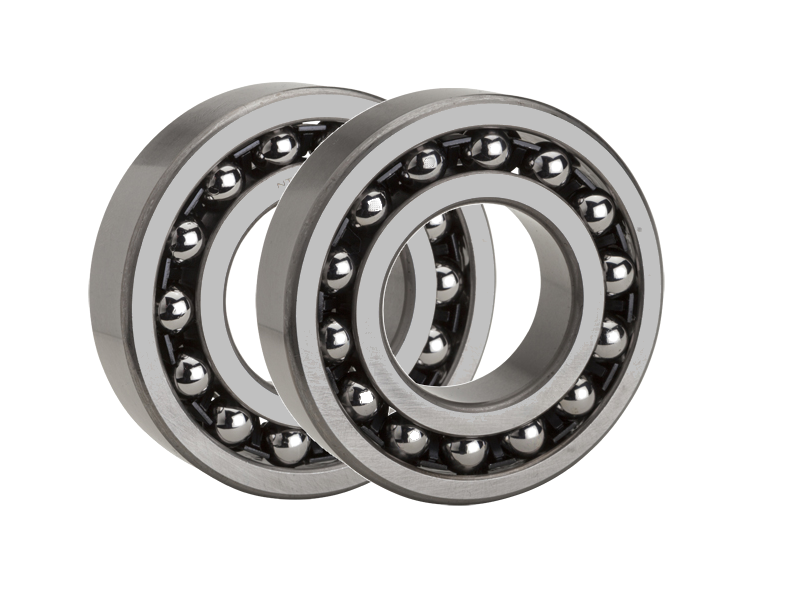
Can you describe the load-carrying capacity and load ratings of self-aligning bearings?
Self-aligning bearings are designed to carry both radial and axial loads, and their load-carrying capacity is an essential consideration for their proper selection and application. Here’s a detailed description of the load-carrying capacity and load ratings of self-aligning bearings:
- Radial Load Capacity:
The radial load capacity of a self-aligning bearing refers to its ability to carry loads that act perpendicular to the axis of rotation. It is influenced by factors such as bearing geometry, material properties, and internal design. Self-aligning bearings, particularly spherical roller bearings, are known for their high radial load-carrying capacity. This is due to their construction that includes multiple rows of robust rolling elements and optimized raceway profiles. The larger contact area between the rolling elements and raceways allows for efficient load distribution, enabling the bearing to handle substantial radial loads.
- Axial Load Capacity:
The axial load capacity of a self-aligning bearing refers to its ability to carry loads that act parallel to the axis of rotation. The axial load-carrying capacity depends on the bearing type and design, as well as the arrangement of rolling elements. Self-aligning thrust roller bearings, for example, are specifically designed to handle significant axial loads. They utilize cylindrical or tapered rolling elements arranged in a specific orientation to withstand axial forces. Self-aligning ball bearings can also carry moderate axial loads in addition to their primary radial load-carrying capacity.
- Dynamic Load Rating:
The dynamic load rating of a self-aligning bearing is a standardized value that indicates the maximum load that the bearing can sustain for a specified number of rotations or operating hours without experiencing premature fatigue failure. It is expressed in terms of the calculated dynamic equivalent radial or axial load, which takes into account the actual load distribution within the bearing. The dynamic load rating is typically provided by the manufacturer and allows engineers to compare and select bearings based on their expected performance under dynamic operating conditions.
- Static Load Rating:
The static load rating of a self-aligning bearing represents the maximum load that the bearing can sustain without permanent deformation or excessive stress when the bearing is stationary or subjected to very slow rotations. It is typically higher than the dynamic load rating. The static load rating is an important consideration for applications where the bearing may be subjected to prolonged static or slow-speed conditions, such as in machinery that operates with intermittent or intermittent rotational motion.
It is important to note that the load-carrying capacity and load ratings provided by manufacturers are based on standardized testing methods and assumptions about operating conditions. Actual load capacity can be influenced by factors such as temperature, lubrication, misalignment, and operating speed. Therefore, it is crucial to consider the specific application requirements and consult the manufacturer’s technical data and guidelines when selecting a self-aligning bearing to ensure its suitability and optimal performance.


editor by lmc 2024-11-21