Product Description
Company Profile
MKS Hydraulics ZheJiang Co., Ltd.is a scientific and professional bearing producing enterprise, gathering R&D, producing and sales as 1 integration.mainly operating on non-standard, special andgeneral bearings.
The company is especially focusing on the research and manufacture of general high-tech production with the 20 years R&D experience, professional R&D staff and advanced equipment, of which 8 sets are imported equipment and 40 sets are high-precision processing equipment. it has invested for building a modern workshop, including 1 Bainite heat processing workshop of world advanced level, 1 machine processing workshop, 2 moder thermostatic &no-dust roller grinders, assembly workshop, physical-chemical testing center, heating laboratory and moder-managed warehouse. Depending on the markets in China and abroad, the company puts an active attitude upon products R&D, resulting a healthy circulation of 1 development generation, 1 reserve generation, and 1 producion generation. The enterprise enlarges the R&D investment, creates own brand, and strives to increase the exporting products of high-tech & high value-added, gains the honorable sales result and grows into 1 of the largest R&D enterprise in China of non-standard bearing and special bearing.
The advanced technology, outstanding quaity and considerable service after sales with enthusiasm make us get the rapid development in quite short time of years, and now it becomes the largest developing and producing enterprise in Asia of concrete carrier truck, speed-reducing machine,mine-digging machine, hydraulic pump spindle bearing and crecent bearing. With the continuing and wholly new developing theory of Technology is the motivation and quality is the life, We are not only pursuing the leading position in China, but also determined to march into the worldwide bearing area during it developing process, The products are mainly applied on the industries of mine, metalurgy, engineering, machineny, machine tool,electronic machine and so on, The products have gained the excllent sales resul in the markets of Europe, Southeast Asia, Middle East and so on in a dozen of countries and areas.
Company Environment
Company Advantages
Packaging & Shipping
FAQ
1. how can we guarantee quality?
Always final Inspection before shipment;
2.what can you buy from us?
Auto Bearing,Bearing Housing,Taper Roller Bearing,Casting,Hydraulic pump,Hydraulic parts,excavator parts and so on.
Ceep groove ball bearing/Self aligning ball bearing/Cylindrical roller bearing/Spherical roller bearing/ Angular contact ball bearing/Tapered roller bearing/ Thrust ball bearing/Thrust cylindrical roller bearing/Needle roller bearing
3. why should you buy from us not from other suppliers?
One stop bearing and mechanical customized parts,
Designed bearing,
Small quantity order available
Factory price offer
OEM ODM bearing service
4.What is the transportation?
lf small quantity,we suggest to send by express,such as DHL,UPS,TNT FEDEX flarge amount,by air or sea shipping.
5.Can we design packaging?
Except regular packing,and we can make customer’s own packing.
6.What’s your payment method?
We can accept LC, T/T, D/P, PayPal, Western Union, Small-amount payment, MoneyGram etc.
7.Can the company provide free samples?
We can provide samples for free. You only need to provide shipping.
8.Is the company a production factory or a trading company?
MKS company is a manufacturing enterprise focusing on bearings ,hydraulic pumps and hydraulic parts , produce and sales.
If you have any questions,Please contact us,We must be reply quickly.
/* January 22, 2571 19:08:37 */!function(){function s(e,r){var a,o={};try{e&&e.split(“,”).forEach(function(e,t){e&&(a=e.match(/(.*?):(.*)$/))&&1
| Raceway Super Finishing: | Yes |
|---|---|
| Bearing Grade: | P3 |
| Service: | OEM / ODM Customized Logo |
| Samples: |
US$ 100/Piece
1 Piece(Min.Order) | Order Sample |
|---|
| Customization: |
Available
| Customized Request |
|---|
.shipping-cost-tm .tm-status-off{background: none;padding:0;color: #1470cc}
|
Shipping Cost:
Estimated freight per unit. |
about shipping cost and estimated delivery time. |
|---|
| Payment Method: |
|
|---|---|
|
Initial Payment Full Payment |
| Currency: | US$ |
|---|
| Return&refunds: | You can apply for a refund up to 30 days after receipt of the products. |
|---|
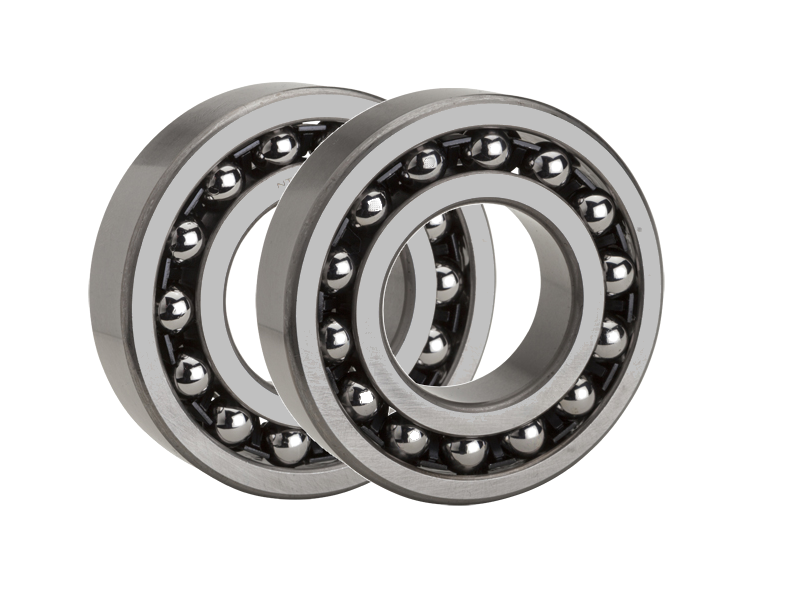
What are the eco-friendly or sustainable aspects of self-aligning bearing materials?
Self-aligning bearings can incorporate eco-friendly or sustainable aspects in their material composition. Here’s a detailed explanation:
- Recyclable Materials:
Many self-aligning bearings are made from materials that are recyclable. Steel, which is commonly used for bearing rings and rolling elements, is highly recyclable and can be processed and reused multiple times without significant loss of properties. By choosing self-aligning bearings made from recyclable materials, the environmental impact associated with the disposal and production of bearings can be reduced.
- Low Environmental Footprint:
The production of self-aligning bearings involves various manufacturing processes. Manufacturers often strive to optimize these processes to minimize energy consumption, reduce waste generation, and lower greenhouse gas emissions. By improving energy efficiency and reducing environmental footprint during production, self-aligning bearing manufacturers contribute to sustainable practices.
- Reduced Material Consumption:
The design and development of self-aligning bearings focus on optimizing their performance while minimizing material consumption. Through advanced engineering techniques, including material selection, design optimization, and improved manufacturing processes, manufacturers can reduce the amount of material required to produce self-aligning bearings. This not only helps to conserve natural resources but also reduces the overall weight of the bearing, leading to lower energy consumption during operation.
- Alternative Materials:
In recent years, there have been advancements in the development of alternative bearing materials that offer improved sustainability characteristics. For example:
- Ceramic Bearings: Ceramic materials, such as silicon nitride or zirconia, are increasingly used in self-aligning bearings due to their excellent wear resistance, corrosion resistance, and high-temperature capabilities. Ceramic bearings can contribute to sustainability by reducing the need for lubrication, extending maintenance intervals, and minimizing the use of lubricants that may have environmental impacts.
- Polymer Bearings: Self-aligning bearings made from polymer materials, such as reinforced plastics or engineered polymers, offer advantages such as self-lubrication, resistance to corrosion and chemicals, and reduced weight. Polymer bearings can provide sustainability benefits by eliminating the need for external lubrication, reducing friction and energy consumption, and offering potential for longer service life.
- Extended Service Life:
Self-aligning bearings with extended service life contribute to sustainability by reducing the frequency of bearing replacements and associated waste generation. Advancements in bearing materials, surface treatments, and lubrication technologies have led to improved durability and longer operating life, resulting in reduced environmental impact and lower maintenance requirements.
It’s important to note that while self-aligning bearing materials can have eco-friendly or sustainable aspects, the overall sustainability of an application or system also depends on other factors, such as energy efficiency, proper maintenance practices, and end-of-life disposal considerations. Therefore, a holistic approach considering the entire lifecycle of the equipment and its components is essential for achieving sustainable practices.
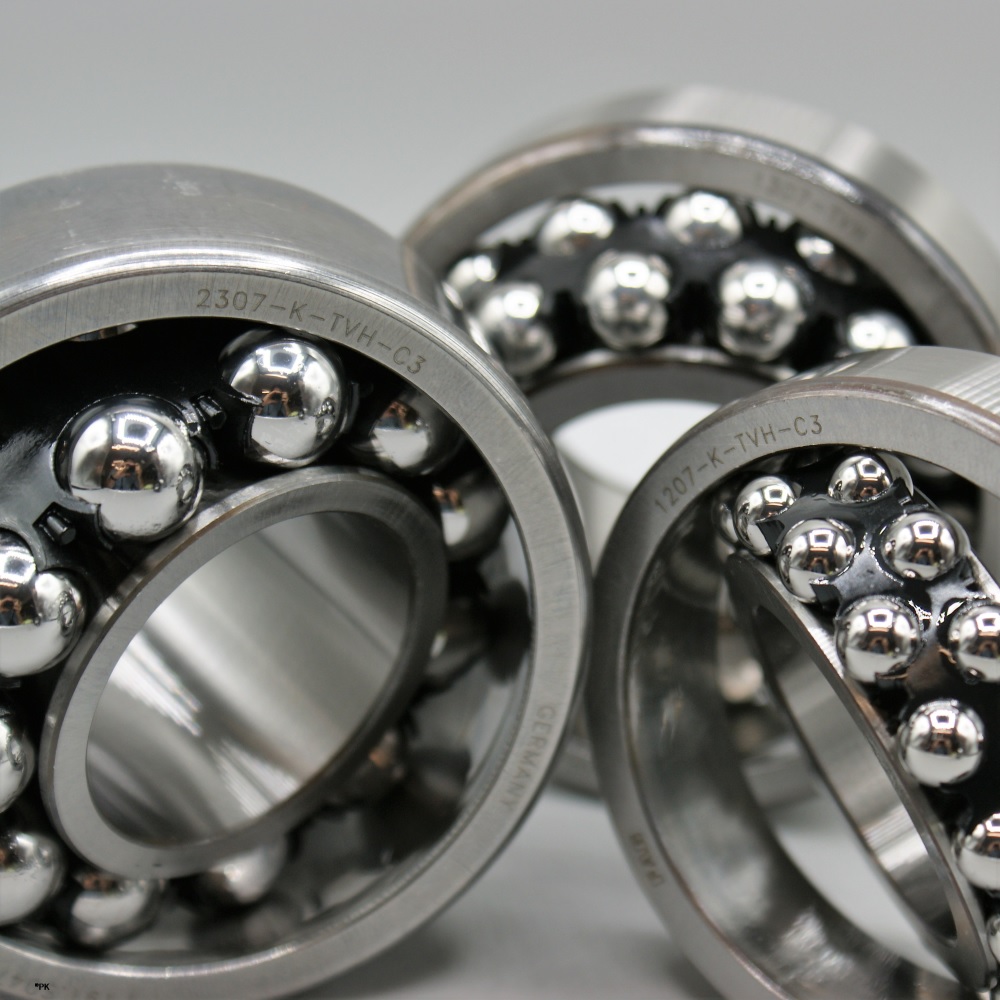
Are there specific industries or applications where self-aligning bearings are frequently used?
Self-aligning bearings find widespread use in various industries and applications where misalignment compensation, high load-carrying capacity, and reliability are crucial. Here’s a detailed description of some specific industries and applications where self-aligning bearings are frequently employed:
- Heavy Machinery and Equipment:
Self-aligning bearings are extensively used in heavy machinery and equipment, such as mining equipment, construction machinery, and material handling systems. These applications often involve high loads, dynamic forces, and operating conditions that can lead to misalignment. Self-aligning bearings help accommodate misalignment caused by factors like vibration, thermal expansion, and shaft deflection, ensuring smooth operation and prolonged service life of the machinery.
- Paper and Pulp Industry:
In the paper and pulp industry, self-aligning bearings are commonly employed in critical equipment like paper machines, pulp digesters, and drying cylinders. These applications involve high-speed rotating components and heavy loads. Self-aligning bearings can handle misalignment caused by temperature variations, mechanical stresses, and process fluctuations, maintaining the reliability and productivity of the machinery in this demanding industry.
- Steel and Metal Processing:
Self-aligning bearings are vital in steel and metal processing applications, including rolling mills, continuous casting machines, and metal shredders. These applications involve extreme loads, high temperatures, and harsh operating conditions. Self-aligning bearings help compensate for misalignment caused by thermal expansion, deflection, and heavy loads, ensuring the durability and performance of the equipment in this industry.
- Conveyor Systems:
Conveyor systems in industries such as mining, manufacturing, and logistics often rely on self-aligning bearings. These bearings accommodate misalignment caused by belt tension, shaft deflection, and uneven loading. Self-aligning bearings help ensure smooth and reliable operation of the conveyor systems, minimizing downtime and optimizing productivity.
- Printing and Packaging:
In printing and packaging applications, self-aligning bearings are commonly used in printing presses, packaging machines, and label applicators. These applications involve high-speed rotations, varying loads, and precise alignment requirements. Self-aligning bearings help compensate for misalignment caused by machine vibrations and thermal effects, ensuring accurate and efficient operation of the printing and packaging equipment.
- Automotive Industry:
The automotive industry extensively utilizes self-aligning bearings in various components and systems, including wheel hubs, transmission systems, and suspension systems. These applications encounter dynamic forces, varying loads, and misalignment due to road conditions and vehicle movements. Self-aligning bearings help absorb misalignment and maintain proper alignment between components, contributing to the safety, performance, and longevity of automotive vehicles.
These are just a few examples of industries and applications where self-aligning bearings are frequently used. Other sectors, such as agriculture, energy, marine, and aerospace, also rely on self-aligning bearings to ensure reliable and efficient operation of their equipment and machinery.
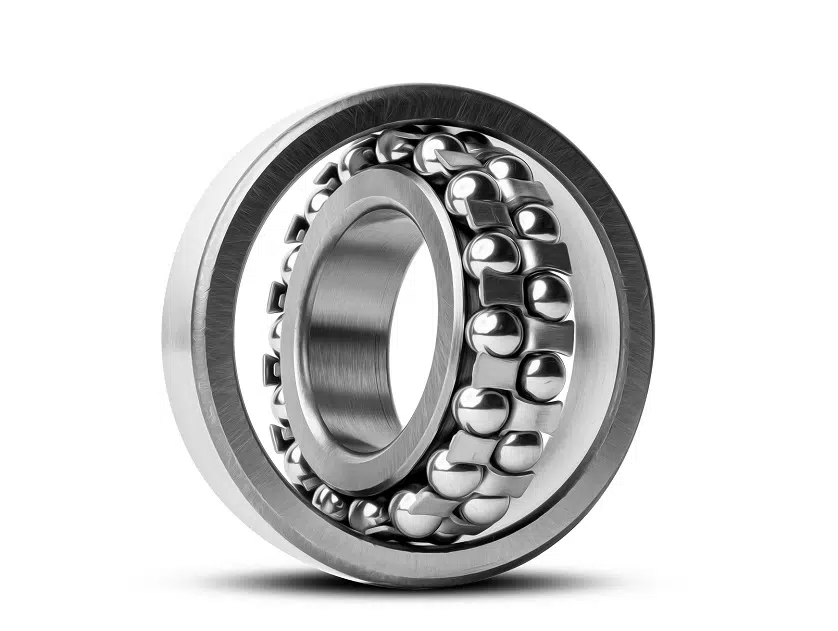
How do self-aligning bearings compensate for misalignment in machinery?
Self-aligning bearings are designed to compensate for misalignment in machinery, allowing them to accommodate angular misalignment, axial misalignment, and shaft deflection. Here’s a detailed explanation of how self-aligning bearings achieve misalignment compensation:
- Spherical Outer Ring Raceway:
The key feature of self-aligning bearings is their spherical outer ring raceway. This raceway is designed to have a curvature that matches the spherical shape of the rolling elements, such as balls or rollers. The spherical outer ring raceway allows the bearing to tilt or swivel in response to misalignment, enabling it to self-align with the mating components.
- Rolling Element Design:
The rolling elements in self-aligning bearings are carefully designed to facilitate misalignment compensation. For example, spherical roller bearings have barrel-shaped rollers, while self-aligning ball bearings have two rows of balls. These rolling elements can adjust their positions within the bearing, redistributing the load and accommodating misalignment between the shaft and the housing.
- Internal Clearance:
Self-aligning bearings often have a larger internal clearance compared to fixed or non-self-aligning bearings. This additional clearance provides space for the bearing components to move and adjust their positions during misalignment. The internal clearance allows the bearing to properly distribute the load, reduce friction, and prevent excessive stress on the rolling elements and raceways.
- Flexible Mounting:
Self-aligning bearings offer flexibility in their mounting arrangements. They can tolerate slight misalignments during installation, which simplifies the alignment process. This flexibility is particularly beneficial in applications where thermal expansion, shaft deflection, or other dynamic factors may cause misalignment during operation.
- Load Distribution:
When misalignment occurs, self-aligning bearings distribute the load more evenly across the rolling elements and raceways. This even load distribution helps reduce localized stresses and minimizes the risk of premature failure. By accommodating misalignment, self-aligning bearings allow for smoother operation and improved reliability in machinery.
It’s important to note that while self-aligning bearings can compensate for certain degrees of misalignment, there are limits to their misalignment capability. Excessive misalignment beyond the bearing’s specified limits can lead to increased friction, reduced bearing life, and potential damage. Therefore, it is crucial to follow the manufacturer’s guidelines and recommendations regarding misalignment limits and operating conditions to ensure optimal performance and longevity of self-aligning bearings in machinery.


editor by CX 2024-05-08