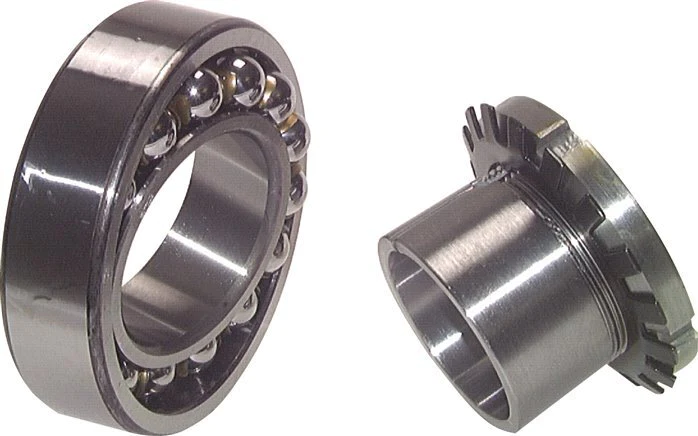
What is the role of cage design and materials in self-aligning bearing performance and durability?
The cage design and materials used in self-aligning bearings play a crucial role in determining their performance and durability. Here’s a detailed explanation:
- Guiding and Retaining Rolling Elements:
The primary function of the cage in a self-aligning bearing is to guide and retain the rolling elements, such as balls or rollers, in their proper positions. The cage prevents the rolling elements from contacting and rubbing against each other, ensuring smooth and controlled movement within the bearing. By providing precise spacing and alignment, the cage maintains the integrity of the bearing assembly and optimizes load distribution. It also minimizes the risk of damage or premature wear caused by improper positioning or collision of the rolling elements.
- Reducing Friction and Heat Generation:
The cage design and materials can significantly impact the friction and heat generation within the self-aligning bearing. An efficient cage design ensures proper lubrication distribution by allowing the lubricant to reach all the critical contact points between the rolling elements and raceways. This reduces friction and minimizes the associated heat generation, leading to improved overall bearing efficiency and reduced energy losses. Additionally, the choice of materials for the cage should consider factors such as low friction coefficients and good thermal conductivity to further optimize performance.
- Maintaining Alignment and Stability:
Self-aligning bearings are designed to accommodate misalignment between the shaft and the housing. The cage plays a vital role in maintaining the alignment and stability of the rolling elements, ensuring that they stay properly seated and aligned during operation. A well-designed cage provides sufficient space and support for the rolling elements to adjust and align themselves, even under dynamic conditions or when subjected to external forces. This enables the self-aligning bearing to continue operating smoothly and efficiently, minimizing the risk of excessive stress, wear, or premature failure.
- Enhancing Durability and Service Life:
The cage design and materials significantly impact the durability and service life of self-aligning bearings. A robust and durable cage is essential for withstanding the loads, impact forces, and vibrations that can occur during operation. The cage should be resistant to wear, fatigue, and corrosion to ensure long-term performance and reliability. By selecting appropriate cage materials, such as high-strength steels, thermoplastics, or engineered polymers, manufacturers can enhance the durability and service life of self-aligning bearings in various operating conditions.
- Reducing Weight and Inertia:
The cage design and materials also influence the weight and inertia of the self-aligning bearing. Lighter cage materials, such as certain polymers or composite materials, can help reduce the overall weight of the bearing assembly. This has several benefits, including lower energy consumption, reduced centrifugal forces, and improved dynamic performance. By minimizing the weight and inertia of the cage, self-aligning bearings can operate at higher speeds, exhibit improved response times, and potentially achieve higher levels of performance and efficiency.
Overall, the cage design and materials used in self-aligning bearings are critical factors in determining their performance, durability, and overall efficiency. A well-designed cage facilitates proper guidance and retention of the rolling elements, reduces friction and heat generation, maintains alignment and stability, enhances durability and service life, and contributes to overall weight optimization. By considering the specific application requirements and selecting the appropriate cage design and materials, engineers can optimize the performance and durability of self-aligning bearings in a wide range of industrial applications.
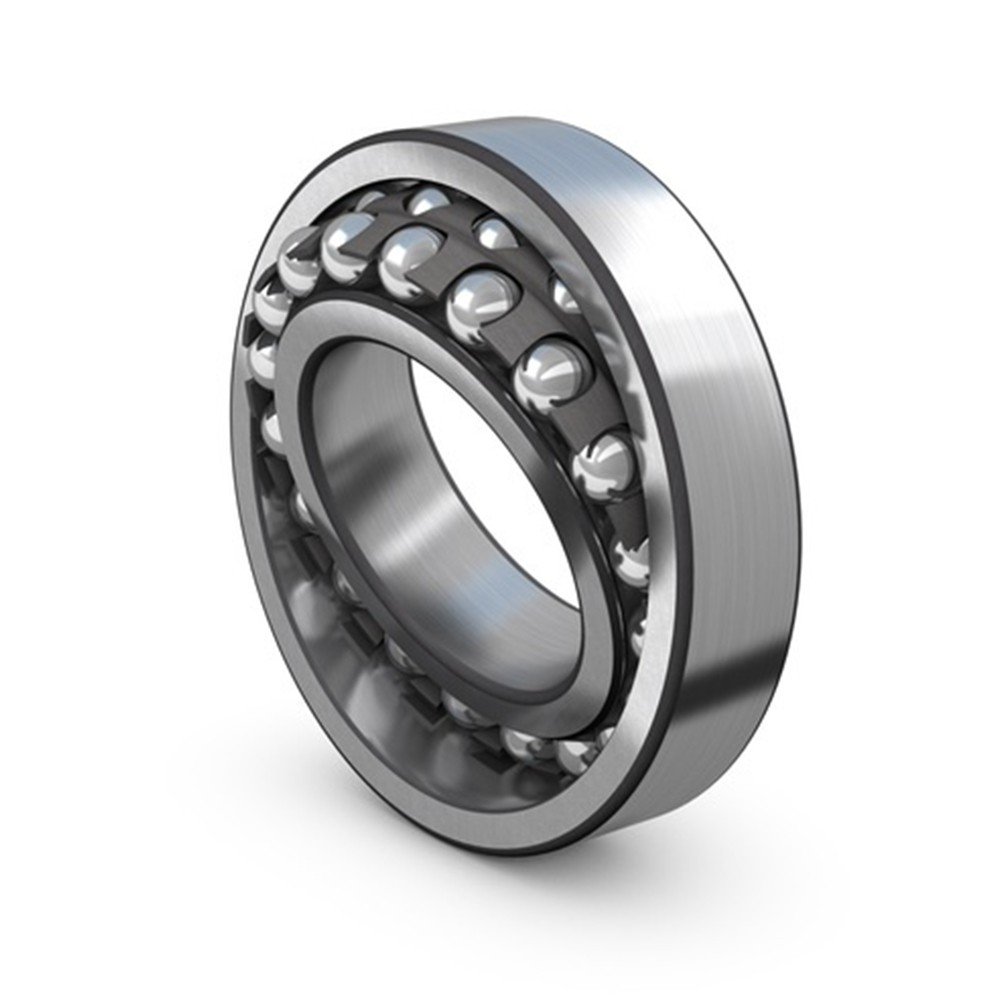
What is the impact of proper lubrication and maintenance on the performance and lifespan of self-aligning bearings?
Proper lubrication and maintenance have a significant impact on the performance and lifespan of self-aligning bearings. Here’s a detailed explanation of their importance:
- Lubrication:
Proper lubrication is crucial for self-aligning bearings as it provides a protective film between the rolling elements and raceways, reducing friction and wear. Here are the key impacts of proper lubrication:
- Reduced Friction and Wear: Adequate lubrication helps minimize friction and wear between the rolling elements and raceways. This reduces heat generation, prevents excessive wear, and extends the bearing’s lifespan.
- Optimized Load Distribution: Proper lubrication ensures that the load is distributed evenly across the bearing components. This helps prevent localized stresses and improves the overall load-carrying capacity of the bearing.
- Corrosion and Contamination Protection: Lubrication forms a protective barrier that helps prevent corrosion and protects the bearing against contaminants such as dust, dirt, and moisture. This enhances the bearing’s resistance to damage and maintains its performance in challenging environments.
- Noise and Vibration Reduction: Properly lubricated bearings exhibit reduced noise and vibration levels, contributing to smoother and quieter operation of the machinery.
- Maintenance:
Regular maintenance practices are essential for ensuring the optimal performance and lifespan of self-aligning bearings. Here are the key impacts of proper maintenance:
- Early Detection of Issues: Regular inspections and maintenance activities enable the early detection of potential problems such as misalignment, excessive wear, or lubrication issues. Timely identification of these issues allows for proactive measures to be taken, preventing further damage and minimizing downtime.
- Preservation of Alignment: Proper maintenance helps ensure the correct alignment of the bearing with its mating components. This is particularly important for self-aligning bearings, as misalignment beyond their specified limits can lead to decreased performance and premature failure.
- Lubrication Monitoring: Maintenance involves monitoring the lubrication condition, including oil or grease quality, contamination levels, and replenishment requirements. Regular lubrication checks and replenishment help maintain the optimal lubricating film and extend the bearing’s service life.
- Cleaning and Debris Removal: Maintenance activities include cleaning the bearing and its surrounding areas, removing accumulated debris, and ensuring proper sealing. This helps prevent contamination and ensures the smooth operation of the bearing.
- Replacement of Worn Components: Through maintenance, worn or damaged components can be identified and replaced, preventing further damage and maintaining the bearing’s performance. This can include replacing seals, cages, or damaged rolling elements.
Proper lubrication and maintenance practices are essential for maximizing the performance and lifespan of self-aligning bearings. They help reduce friction, prevent excessive wear, protect against corrosion and contaminants, preserve alignment, and enable early detection of potential issues. Adhering to manufacturer recommendations and industry best practices for lubrication and maintenance ensures the reliable and efficient operation of machinery and extends the service life of self-aligning bearings.
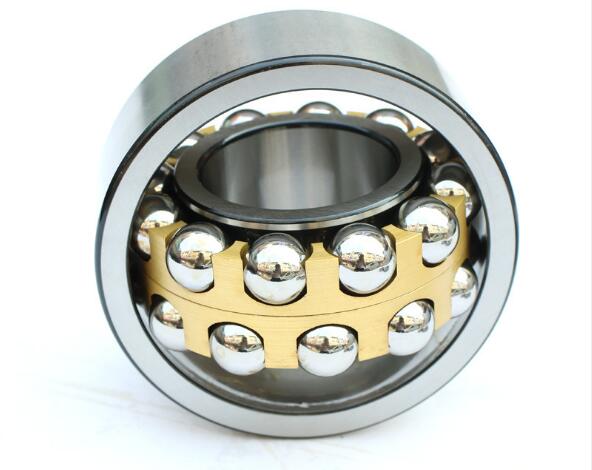
How do self-aligning bearings differ from fixed or non-self-aligning bearings?
Self-aligning bearings differ from fixed or non-self-aligning bearings in several ways. Here’s a detailed explanation of the differences between these types of bearings:
- Design and Construction:
The design and construction of self-aligning bearings are distinct from fixed or non-self-aligning bearings. Self-aligning bearings have a spherical outer ring raceway, which allows for misalignment compensation. In contrast, fixed or non-self-aligning bearings typically have a cylindrical or tapered outer ring raceway, designed for precise alignment between the shaft and the housing.
- Misalignment Compensation:
The primary difference between self-aligning bearings and fixed or non-self-aligning bearings is their ability to compensate for misalignment. Self-aligning bearings can accommodate angular misalignment, axial misalignment, and shaft deflection, whereas fixed or non-self-aligning bearings have limited tolerance for misalignment and require precise alignment during installation.
- Load Distribution:
Self-aligning bearings distribute the load more evenly across the rolling elements and raceways, thanks to their ability to accommodate misalignment. This helps reduce localized stresses and minimize the risk of premature failure. Fixed or non-self-aligning bearings, without the ability to compensate for misalignment, may experience uneven loading and increased stress on specific areas, leading to accelerated wear and potential failure.
- Friction and Wear:
Due to their misalignment compensation capability, self-aligning bearings help reduce friction and wear. Misalignment in fixed or non-self-aligning bearings can cause increased friction and localized wear, leading to reduced bearing life. Self-aligning bearings distribute the load more evenly, minimizing friction and wear on the rolling elements and raceways, resulting in improved reliability and longevity.
- Application Range:
The different design and misalignment compensation capability of self-aligning bearings make them suitable for a broader range of applications compared to fixed or non-self-aligning bearings. Self-aligning bearings are commonly used in applications where misalignment is expected, such as heavy machinery, conveyor systems, and mining equipment. Fixed or non-self-aligning bearings are typically employed in applications that require precise alignment, such as machine tools or high-precision equipment.
- Installation and Maintenance:
Self-aligning bearings offer easier installation and maintenance compared to fixed or non-self-aligning bearings. The self-aligning capability of these bearings allows for more flexibility during the installation process, accommodating slight misalignments. In contrast, fixed or non-self-aligning bearings require careful alignment procedures to ensure proper functioning. Additionally, self-aligning bearings are often designed for easier maintenance, enabling tasks such as re-greasing or replacement without extensive disassembly.
In summary, self-aligning bearings differ from fixed or non-self-aligning bearings in their design, misalignment compensation capability, load distribution, friction and wear characteristics, application range, and ease of installation and maintenance. These differences make self-aligning bearings particularly suitable for applications where misalignment is expected or dynamic operating conditions are present.


editor by CX 2024-03-27