Product Description
Product Description
Features:
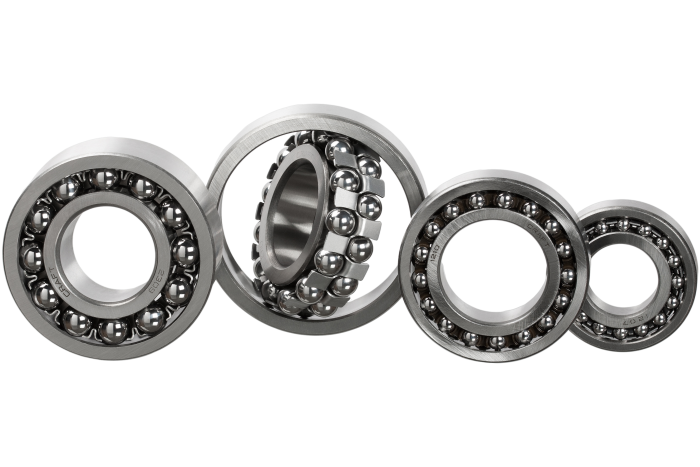
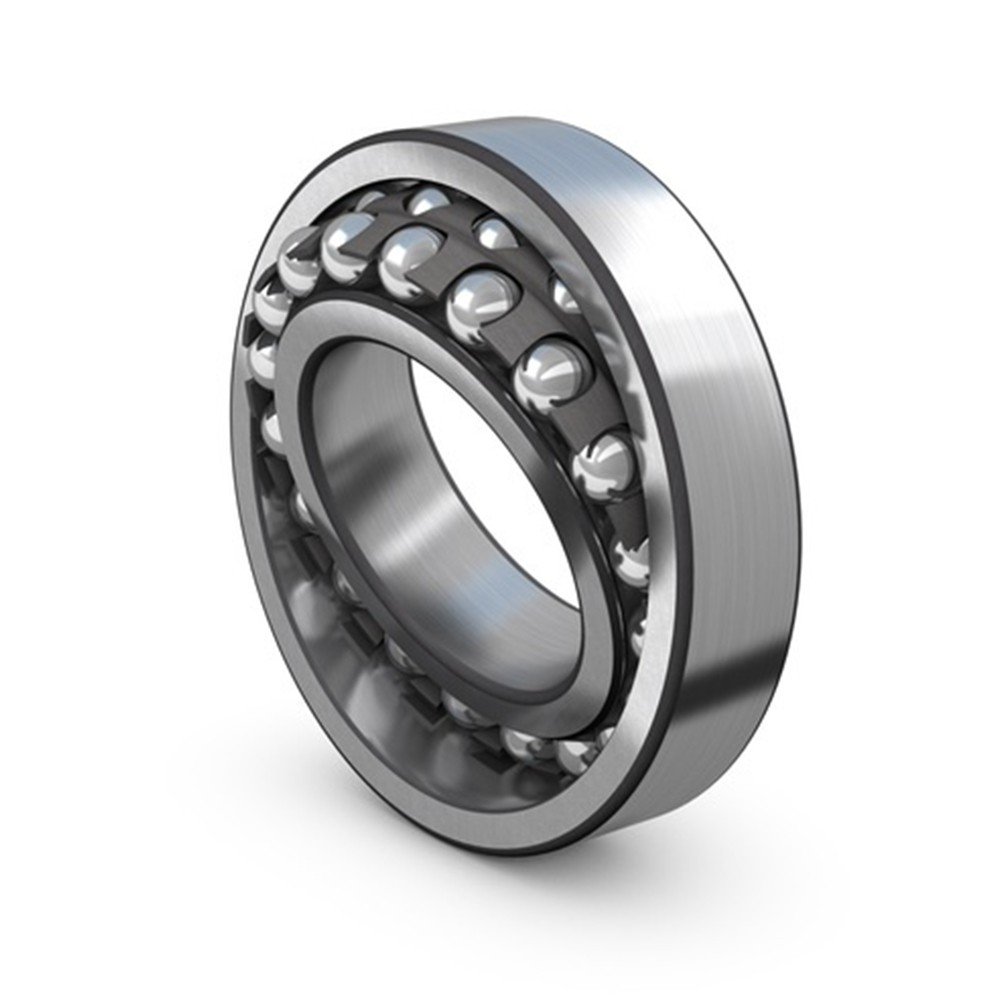
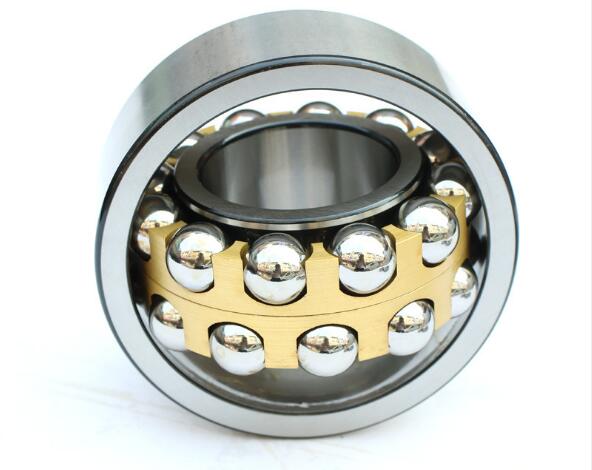
- self-aligning ball bearing with 2 rows of balls
- pivoting inner ring, misalignments and shaft deflections can be compensated
- suitable for high radial loads and light axial loads in both directions
- cage material: sheet steel, high load-bearing capacity and high strength; suitable for continuous high temperatures
- seal: open (without seal); for higher speeds than with sealed ball bearings and easy relubrication
- good fixed bearing property, but can also be used as a floating bearing, each in both directions
| Self aligning ball bearing | ||||
| Bearing No. | Dimensions(mm) | Weight(kg) | ||
| d | D | B | ||
| 1203 | 17 | 40 | 12 | 0.076 |
| 1204 | 20 | 47 | 14 | 0.12 |
| 1205 | 25 | 52 | 15 | 0.14 |
| 1206 | 30 | 62 | 16 | 0.23 |
| 1207 | 35 | 72 | 17 | 0.32 |
| 1208 | 40 | 80 | 18 | 0.42 |
| 1209 | 45 | 85 | 19 | 0.47 |
| 1210 | 50 | 90 | 20 | 0.525 |
| 1211 | 55 | 100 | 21 | 0.705 |
| 1212 | 60 | 110 | 22 | 0.9 |
| 1213 | 65 | 120 | 23 | 1.15 |
| 1214 | 70 | 125 | 24 | 1.26 |
| 1215 | 75 | 130 | 25 | 1.36 |
| 1216 | 80 | 140 | 26 | 1.67 |
| 1217 | 85 | 150 | 28 | 2.07 |
| Bearing No. | Dimensions(mm) | Weight | ||
| d | D | B | kg | |
| 1303 | 17 | 47 | 14 | 0.13 |
| 1304 | 20 | 52 | 15 | 0.163 |
| 1305 | 25 | 62 | 17 | 0.257 |
| 1306 | 30 | 72 | 19 | 0.387 |
| 1307 | 35 | 80 | 21 | 0.51 |
| 1308 | 40 | 90 | 23 | 0.715 |
| 1309 | 45 | 100 | 25 | 0.957 |
| 1310 | 50 | 110 | 27 | 1.21 |
| 1311 | 55 | 120 | 29 | 1.58 |
| 1312 | 60 | 130 | 31 | 1.96 |
| 1313 | 65 | 140 | 33 | 2.45 |
| 1314 | 70 | 150 | 35 | 2.99 |
| 1315 | 75 | 160 | 37 | 3.56 |
| 1316 | 80 | 170 | 39 | 4.18 |
| 1317 | 85 | 180 | 41 | 4.98 |
| Bearing No. | Dimensions(mm) | Weight | ||
| d | D | T | kg | |
| 2203 | 17 | 40 | 16 | 0.09 |
| 2204 | 20 | 47 | 18 | 0.14 |
| 2205 | 25 | 52 | 18 | 0.163 |
| 2206 | 30 | 62 | 20 | 0.26 |
| 2207 | 35 | 72 | 23 | 0.403 |
| 2208 | 40 | 80 | 23 | 0.51 |
| 2209 | 45 | 85 | 23 | 0.55 |
| 2210 | 50 | 90 | 23 | 0.6 |
| 2211 | 55 | 100 | 25 | 0.81 |
| 2212 | 60 | 110 | 28 | 1.09 |
| 2213 | 65 | 120 | 31 | 1.46 |
| 2214 | 70 | 125 | 31 | 1.62 |
| 2215 | 75 | 130 | 31 | 1.62 |
| 2216 | 80 | 140 | 33 | 2.01 |
| 2217 | 85 | 150 | 36 | 2.52 |
Company Profile
Our company mainly produces d
eep groove ball bearings and thrust ball bearings, thrust roller bearings, thin wall bearings and tapered roller bearings.
Our company has strong technical force, equipped with modern production equipment and advanced testing equipment, products by the national quality inspection departments repeatedly qualified. In 2005 11 menstrual China Light Product Quality Assurance Center awarded the quality, the credibility of dual protection demonstration units (key units), and at the same time in September 2006 passed the ISO9001 international quality system certification. The products are sold all over the country. The company always adhere to the “quality survival, reputation and development” purposes, scientific management, hard work, pragmatic, integrity management. The company is willing to “strong strength, high quality products, efficient service” with the vast number of customers in good faith cooperation, and you create a better tomorrow.
Our products are used in motors, fans, agricultural machinery, reducers, gearboxes, machine tools, motorcycles, automobiles, oil fields, coal mines, steel plants, metallurgy and other industrial machinery and equipment. The product is made of high-quality bearing steel, G10 steel ball, low noise grease, and the precision can reach P0, P6, P5 levels; The noise value can reach Z2, Z3 and Z4 levels. Welcome new and old customers to discuss
cooperation!
Packaging & Shipping
Our Advantages
1. World-C
lass Bearing:
We provide our customers with all types of indigenous bearing with world-class quality.
2. OEM or Non-Stand Bearings:
Any requirement for Nonstandard bearings is Easily Fulfilled by us due to its vast knowledge
and links in the industry.
3. Genuine products With Excellent Quality:
The company has always proved the 100% quality products it provides with genuine intent.
4. After Sales Service and Technical Assistance:
The company provides after-sales service and technical assistance as per the
customer’s requirements and needs.
5. Quick Delivery:
The company provides just-in-time delivery with its streamlined supply chain.
SAMPLES
1. Samples quantity: 1-10 PCS are available.
2. Free samples: It depends on the Model No., material and quantity. Some of the bearings samples need client to
pay samples charge and shipping cost.
3. It’s better to start your order with Trade Assurance to get full protection for your samples order.
CUSTOMIZED
The customized LOGO or drawing is acceptable for us.
MOQ
1. MOQ: 10 PCS standard bearings.
2. MOQ: 1000 PCS customized your brand bearings.
OEM POLICY
1. We can printing your brand (logo, artwork)on the shield or laser engraving your brand on the shield.
2. We can custom your packaging according to your design
3. All copyright own by clients and we promised don’t disclose any info.
FAQ
1.What is the minimum order quantity for this product?
Can be negotiated, we will try our best to meet customer needs.
2.What is your latest delivery time?
Most orders will be shipped within 3-7 days of payment being received.
3.Does your company have quality assurance?
Yes, Our products are fully in line with industry standards
4.What is the competitiveness of your company’s products compared to other companies?
High precision, high speed, low noise.
5.What are the advantages of your company’s services compared to other companies?
Answer questions online 24 hours a day, reply in a timely manner, and provide various documents
required by customers for customs clearance or sales. 100% after-sales service.
6.Which payment method does your company support?
Do our best to meet customer needs, negotiable.
7.How to contact us quickly?
Please send us an inquiry or message and leave your other contact information, such as phone number,
account or account, we will contact you as soon as possible and provide
the detailed information you need.
Please feel free to contact us, if you have any other question
/* March 10, 2571 17:59:20 */!function(){function s(e,r){var a,o={};try{e&&e.split(“,”).forEach(function(e,t){e&&(a=e.match(/(.*?):(.*)$/))&&1
| Aligning: | Non-Aligning Bearing |
|---|---|
| Separated: | Unseparated |
| Rows Number: | Single |
| Load Direction: | Radial Bearing |
| Material: | Bearing Steel |
| Contact Angle: | 0 |
| Samples: |
US$ 0.1/Piece
1 Piece(Min.Order) | |
|---|
| Customization: |
Available
| Customized Request |
|---|
Can you provide guidance on the selection and sizing of self-aligning bearings for specific applications?
Yes, here’s a detailed explanation on the selection and sizing of self-aligning bearings for specific applications:
- Understand the Application Requirements:
The first step in selecting and sizing self-aligning bearings is to thoroughly understand the requirements of the application. Consider factors such as:
- Load: Determine the magnitude and direction of the load the bearing will be subjected to, including static, dynamic, and shock loads.
- Speed: Identify the rotational speed or frequency of operation to ensure the selected bearing can handle the required speed without compromising performance.
- Environment: Consider the operating environment, including temperature range, presence of contaminants, moisture, or corrosive substances, and any other specific environmental factors that may affect the bearing’s performance.
- Mounting and Space Constraints: Evaluate the available space for bearing installation and any specific mounting requirements or constraints within the application.
- Service Life and Maintenance: Determine the desired service life and maintenance intervals to select a bearing that can meet these requirements.
- Consult Bearing Manufacturer’s Catalogs and Technical Resources:
Once the application requirements are understood, consult the catalogs and technical resources provided by self-aligning bearing manufacturers. These resources contain valuable information such as bearing types, sizes, load ratings, and operating characteristics.
Identify the specific self-aligning bearing series or types that are suitable for the application based on the load capacity, speed capability, and other performance factors.
- Consider Bearing Materials and Lubrication:
Pay attention to the bearing materials and lubrication requirements. Different bearing materials, such as steel, ceramic, or polymers, offer varying levels of performance in terms of load capacity, temperature resistance, and corrosion resistance.
Choose the appropriate bearing material that aligns with the application’s requirements. Additionally, consider the lubrication method and type of lubricant recommended for optimal bearing performance and longevity.
- Factor in Safety and Reliability:
Ensure that the selected self-aligning bearing has an appropriate safety margin to handle the expected loads and operating conditions. It is advisable to consult with bearing experts or utilize engineering calculations to verify the bearing’s suitability and reliability.
- Consider Application-Specific Features:
Depending on the application, there may be specific features or options to consider. For example, applications with high contamination levels may require sealed or shielded bearings to prevent debris ingress, while applications with high-speed requirements may benefit from bearings with optimized internal designs or cage materials.
- Review Manufacturer Recommendations:
Finally, review the manufacturer’s recommendations for the selected self-aligning bearing in terms of installation guidelines, maintenance procedures, and any specific considerations for the application.
By following these guidelines and consulting with bearing manufacturers or experts when needed, you can make an informed selection and sizing of self-aligning bearings that meet the specific requirements of your application, ensuring reliable performance and longevity.
What is the impact of proper lubrication and maintenance on the performance and lifespan of self-aligning bearings?
Proper lubrication and maintenance have a significant impact on the performance and lifespan of self-aligning bearings. Here’s a detailed explanation of their importance:
- Lubrication:
Proper lubrication is crucial for self-aligning bearings as it provides a protective film between the rolling elements and raceways, reducing friction and wear. Here are the key impacts of proper lubrication:
- Reduced Friction and Wear: Adequate lubrication helps minimize friction and wear between the rolling elements and raceways. This reduces heat generation, prevents excessive wear, and extends the bearing’s lifespan.
- Optimized Load Distribution: Proper lubrication ensures that the load is distributed evenly across the bearing components. This helps prevent localized stresses and improves the overall load-carrying capacity of the bearing.
- Corrosion and Contamination Protection: Lubrication forms a protective barrier that helps prevent corrosion and protects the bearing against contaminants such as dust, dirt, and moisture. This enhances the bearing’s resistance to damage and maintains its performance in challenging environments.
- Noise and Vibration Reduction: Properly lubricated bearings exhibit reduced noise and vibration levels, contributing to smoother and quieter operation of the machinery.
- Maintenance:
Regular maintenance practices are essential for ensuring the optimal performance and lifespan of self-aligning bearings. Here are the key impacts of proper maintenance:
- Early Detection of Issues: Regular inspections and maintenance activities enable the early detection of potential problems such as misalignment, excessive wear, or lubrication issues. Timely identification of these issues allows for proactive measures to be taken, preventing further damage and minimizing downtime.
- Preservation of Alignment: Proper maintenance helps ensure the correct alignment of the bearing with its mating components. This is particularly important for self-aligning bearings, as misalignment beyond their specified limits can lead to decreased performance and premature failure.
- Lubrication Monitoring: Maintenance involves monitoring the lubrication condition, including oil or grease quality, contamination levels, and replenishment requirements. Regular lubrication checks and replenishment help maintain the optimal lubricating film and extend the bearing’s service life.
- Cleaning and Debris Removal: Maintenance activities include cleaning the bearing and its surrounding areas, removing accumulated debris, and ensuring proper sealing. This helps prevent contamination and ensures the smooth operation of the bearing.
- Replacement of Worn Components: Through maintenance, worn or damaged components can be identified and replaced, preventing further damage and maintaining the bearing’s performance. This can include replacing seals, cages, or damaged rolling elements.
Proper lubrication and maintenance practices are essential for maximizing the performance and lifespan of self-aligning bearings. They help reduce friction, prevent excessive wear, protect against corrosion and contaminants, preserve alignment, and enable early detection of potential issues. Adhering to manufacturer recommendations and industry best practices for lubrication and maintenance ensures the reliable and efficient operation of machinery and extends the service life of self-aligning bearings.
How do self-aligning bearings differ from fixed or non-self-aligning bearings?
Self-aligning bearings differ from fixed or non-self-aligning bearings in several ways. Here’s a detailed explanation of the differences between these types of bearings:
- Design and Construction:
The design and construction of self-aligning bearings are distinct from fixed or non-self-aligning bearings. Self-aligning bearings have a spherical outer ring raceway, which allows for misalignment compensation. In contrast, fixed or non-self-aligning bearings typically have a cylindrical or tapered outer ring raceway, designed for precise alignment between the shaft and the housing.
- Misalignment Compensation:
The primary difference between self-aligning bearings and fixed or non-self-aligning bearings is their ability to compensate for misalignment. Self-aligning bearings can accommodate angular misalignment, axial misalignment, and shaft deflection, whereas fixed or non-self-aligning bearings have limited tolerance for misalignment and require precise alignment during installation.
- Load Distribution:
Self-aligning bearings distribute the load more evenly across the rolling elements and raceways, thanks to their ability to accommodate misalignment. This helps reduce localized stresses and minimize the risk of premature failure. Fixed or non-self-aligning bearings, without the ability to compensate for misalignment, may experience uneven loading and increased stress on specific areas, leading to accelerated wear and potential failure.
- Friction and Wear:
Due to their misalignment compensation capability, self-aligning bearings help reduce friction and wear. Misalignment in fixed or non-self-aligning bearings can cause increased friction and localized wear, leading to reduced bearing life. Self-aligning bearings distribute the load more evenly, minimizing friction and wear on the rolling elements and raceways, resulting in improved reliability and longevity.
- Application Range:
The different design and misalignment compensation capability of self-aligning bearings make them suitable for a broader range of applications compared to fixed or non-self-aligning bearings. Self-aligning bearings are commonly used in applications where misalignment is expected, such as heavy machinery, conveyor systems, and mining equipment. Fixed or non-self-aligning bearings are typically employed in applications that require precise alignment, such as machine tools or high-precision equipment.
- Installation and Maintenance:
Self-aligning bearings offer easier installation and maintenance compared to fixed or non-self-aligning bearings. The self-aligning capability of these bearings allows for more flexibility during the installation process, accommodating slight misalignments. In contrast, fixed or non-self-aligning bearings require careful alignment procedures to ensure proper functioning. Additionally, self-aligning bearings are often designed for easier maintenance, enabling tasks such as re-greasing or replacement without extensive disassembly.
In summary, self-aligning bearings differ from fixed or non-self-aligning bearings in their design, misalignment compensation capability, load distribution, friction and wear characteristics, application range, and ease of installation and maintenance. These differences make self-aligning bearings particularly suitable for applications where misalignment is expected or dynamic operating conditions are present.


editor by CX 2024-02-21