Product Description
Welcome to HangZhou XIHU (WEST LAKE) DIS. FLIGHT SEIKO MACHINERY CO.,LTD !
We offer a wide variety of precision machining capabilities including high quality precision machined parts,
Mechanical assemblies,and cutom fabrication for automobile,textile machinery,construction machinery etc.
Our manufacturing and process capabilities are ISO9000 Certified.
Heavy duty needle roller bearing is composed of 1 or 2 rings and needle roller group with cage. According to different applications, it can be divided into bearings with or without inner rings. Therefore, the solid ring needle roller bearing can meet the requirements of light weight, small space occupation and high power transmission. The solid ring needle roller bearing has smaller volume and higher bearing capacity. Structure type outer ring double rib (or double lock ring) with cage needle roller bearing Na, NAV, NKI type can be respectively installed with inner ring and outer ring (with lock ring, full set of needle roller and cage), with high authorized speed, which can be divided into single row and double row. If the shaft cannot be used as a raceway, i.e. if it is not possible or economical to grind the shaft for hardening, this type of needle roller bearing with inner ring can be used
Characteristic of heavy duty needle roller bearing
|
Designation |
Shaft |
Mass |
Dimensions(mm) |
Basic Load Ratings |
Limiting |
||||
|
P.No. |
Diameter |
|
FW |
D |
C |
r |
Cr |
Cor |
Speed |
|
|
mm |
g |
|
|
|
Min. |
Kn |
Kn |
rpm |
|
NK 5/10TN |
5 |
3.1 |
5 |
10 |
10 |
0.15 |
2.5 |
2 |
37000 |
|
NK 6/10TN |
6 |
4.7 |
6 |
12 |
10 |
0.15 |
2.33 |
2.2 |
33000 |
|
NK 6/12TN |
6 |
5.7 |
6 |
12 |
12 |
0.15 |
3.3 |
3.45 |
33000 |
|
NK 7/10TN |
7 |
6.9 |
7 |
14 |
10 |
0.3 |
3.33 |
3.15 |
31000 |
|
NK 8/12TN |
8 |
8.7 |
8 |
15 |
12 |
0.3 |
4.1 |
4.3 |
29000 |
|
NK 9/12TN |
9 |
10.3 |
9 |
16 |
12 |
0.3 |
4.75 |
5.3 |
28000 |
Custom size requirement are also available
Our advantage:
1.The original 100% factory, more than 10 years’ production experience
2.Produce and process products according to your drawings and requirement.
3.All kinds of surface treatment available,such as anodizing,power coating,painting,polishing and etc.
4.Our professional R&D and QC team can strictily control the product quality to meet your requirement.
5.Our products are of high quality at cheap price,and delivered on time.
Manufacturing strength & Vehicle processing line
1.Professional operators
2.Adopting advanced CNC machine tools in Japan
3.Totally enclosed production workshop
4.Experienced managers
5.Digital control production line
6.Advanced level of technology
Production Detection
1.Complete testing facilities
2.Perfect measurement methods
3.Perfect production detection methods
4.Strong QC team,conduct comprehensive quality control
/* March 10, 2571 17:59:20 */!function(){function s(e,r){var a,o={};try{e&&e.split(“,”).forEach(function(e,t){e&&(a=e.match(/(.*?):(.*)$/))&&1
| Contact Angle: | Customized |
|---|---|
| Aligning: | Customized |
| Separated: | Heavy Duty Needle Roller Bearing |
| Load Direction: | Heavy Duty Needle Roller Bearing |
| Material: | Customized |
| Transport Package: | Carton |
| Samples: |
US$ 0/Piece
1 Piece(Min.Order) | |
|---|
| Customization: |
Available
| Customized Request |
|---|
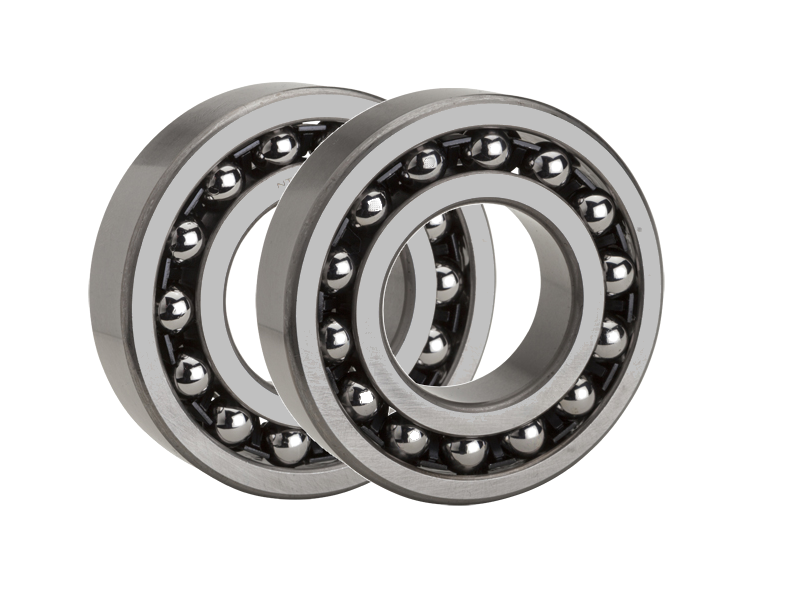
What are the eco-friendly or sustainable aspects of self-aligning bearing materials?
Self-aligning bearings can incorporate eco-friendly or sustainable aspects in their material composition. Here’s a detailed explanation:
- Recyclable Materials:
Many self-aligning bearings are made from materials that are recyclable. Steel, which is commonly used for bearing rings and rolling elements, is highly recyclable and can be processed and reused multiple times without significant loss of properties. By choosing self-aligning bearings made from recyclable materials, the environmental impact associated with the disposal and production of bearings can be reduced.
- Low Environmental Footprint:
The production of self-aligning bearings involves various manufacturing processes. Manufacturers often strive to optimize these processes to minimize energy consumption, reduce waste generation, and lower greenhouse gas emissions. By improving energy efficiency and reducing environmental footprint during production, self-aligning bearing manufacturers contribute to sustainable practices.
- Reduced Material Consumption:
The design and development of self-aligning bearings focus on optimizing their performance while minimizing material consumption. Through advanced engineering techniques, including material selection, design optimization, and improved manufacturing processes, manufacturers can reduce the amount of material required to produce self-aligning bearings. This not only helps to conserve natural resources but also reduces the overall weight of the bearing, leading to lower energy consumption during operation.
- Alternative Materials:
In recent years, there have been advancements in the development of alternative bearing materials that offer improved sustainability characteristics. For example:
- Ceramic Bearings: Ceramic materials, such as silicon nitride or zirconia, are increasingly used in self-aligning bearings due to their excellent wear resistance, corrosion resistance, and high-temperature capabilities. Ceramic bearings can contribute to sustainability by reducing the need for lubrication, extending maintenance intervals, and minimizing the use of lubricants that may have environmental impacts.
- Polymer Bearings: Self-aligning bearings made from polymer materials, such as reinforced plastics or engineered polymers, offer advantages such as self-lubrication, resistance to corrosion and chemicals, and reduced weight. Polymer bearings can provide sustainability benefits by eliminating the need for external lubrication, reducing friction and energy consumption, and offering potential for longer service life.
- Extended Service Life:
Self-aligning bearings with extended service life contribute to sustainability by reducing the frequency of bearing replacements and associated waste generation. Advancements in bearing materials, surface treatments, and lubrication technologies have led to improved durability and longer operating life, resulting in reduced environmental impact and lower maintenance requirements.
It’s important to note that while self-aligning bearing materials can have eco-friendly or sustainable aspects, the overall sustainability of an application or system also depends on other factors, such as energy efficiency, proper maintenance practices, and end-of-life disposal considerations. Therefore, a holistic approach considering the entire lifecycle of the equipment and its components is essential for achieving sustainable practices.
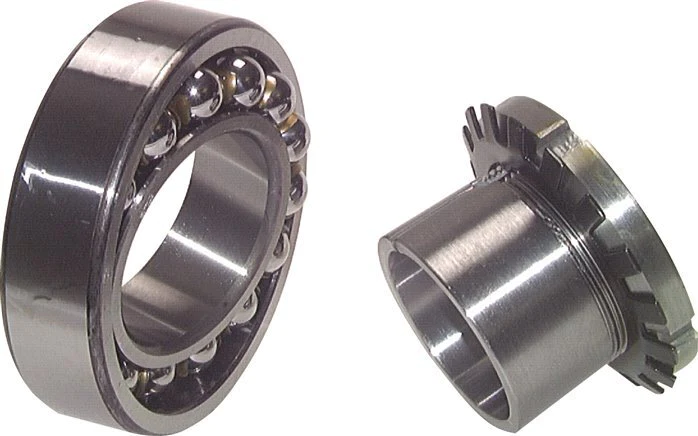
Can you provide examples of machinery or equipment that rely on self-aligning bearings for reliable operation?
Self-aligning bearings play a crucial role in ensuring the reliable operation of various types of machinery and equipment. Here are some examples of machinery and equipment that rely on self-aligning bearings:
- Mining Equipment: Self-aligning bearings are used in mining equipment such as crushers, vibrating screens, and conveyor systems. These bearings help compensate for misalignment caused by heavy loads, vibrations, and uneven terrain, ensuring smooth operation and minimizing downtime in the mining industry.
- Construction Machinery: Construction machinery, including excavators, loaders, and concrete mixers, rely on self-aligning bearings. These bearings accommodate misalignment caused by heavy loads, shock loads, and dynamic forces, enabling reliable performance and durability in demanding construction sites.
- Paper Machines: Self-aligning bearings are essential components in paper machines, including the dryer section, press section, and calender rolls. These bearings compensate for misalignment caused by thermal expansion, high speeds, and varying loads, ensuring precise alignment and smooth operation throughout the paper manufacturing process.
- Steel Rolling Mills: Self-aligning bearings are critical in steel rolling mills, where they support the heavy loads and high temperatures involved in the rolling process. These bearings accommodate misalignment caused by thermal expansion, roll deflection, and varying loads, ensuring the accuracy and efficiency of the rolling operations.
- Printing Presses: Printing presses rely on self-aligning bearings in their rollers, cylinders, and other moving parts. These bearings compensate for misalignment caused by high-speed rotations, vibrations, and thermal effects, ensuring precise alignment and reliable operation in the printing industry.
- Wind Turbines: Self-aligning bearings are crucial components in wind turbines, supporting the main shaft and rotor assembly. These bearings accommodate misalignment caused by wind gusts, turbine movements, and varying loads, enabling efficient power generation and prolonged service life of the wind turbine.
- Automotive Wheel Hubs: Self-aligning bearings are used in automotive wheel hub assemblies, providing reliable rotation and supporting the vehicle’s weight. These bearings compensate for misalignment caused by uneven road surfaces, cornering forces, and thermal effects, ensuring safe and smooth operation of automotive vehicles.
- Food Processing Equipment: Self-aligning bearings are employed in food processing equipment such as mixers, blenders, and conveyors. These bearings accommodate misalignment caused by varying loads, thermal effects, and sanitation processes, ensuring hygienic operation and reliability in food manufacturing facilities.
These are just a few examples of the machinery and equipment that rely on self-aligning bearings for reliable operation. Self-aligning bearings are utilized in a wide range of industries, including mining, construction, paper manufacturing, steel production, printing, renewable energy, automotive, and food processing, among others. Their ability to compensate for misalignment, handle high loads, and ensure smooth operation makes them indispensable components in numerous applications.
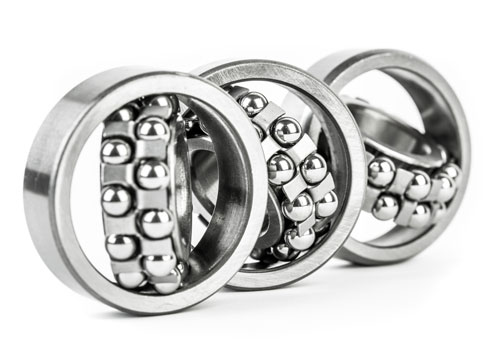
Can you explain the advantages and unique features of self-aligning bearings?
Self-aligning bearings offer several advantages and unique features that make them suitable for a wide range of applications. Here’s a detailed explanation of the advantages and unique features of self-aligning bearings:
- Misalignment Compensation:
One of the primary advantages of self-aligning bearings is their ability to accommodate misalignment between the shaft and the housing. This includes angular misalignment, axial misalignment, and shaft deflection. The self-aligning design allows the bearing to adjust its position and compensate for these misalignments, ensuring smooth operation and reducing stress on the bearing components.
- Reduced Friction and Wear:
Self-aligning bearings help reduce friction and wear in machinery. By accommodating misalignment, they distribute the load more evenly across the rolling elements and raceways, minimizing localized stresses. This results in lower friction, reduced wear, and longer bearing life. Additionally, the self-aligning capability helps prevent excessive heat generation, which can further contribute to reduced friction and wear.
- Shock and Vibration Absorption:
Self-aligning bearings have the unique ability to absorb shocks and vibrations that occur during operation. The spherical outer ring raceway allows the bearing to move and adjust its position, effectively dampening the impact of shocks and vibrations. This helps improve the overall stability of the machinery, reduces the transmission of vibrations, and protects other components from excessive forces.
- Easy Installation and Maintenance:
Self-aligning bearings are relatively easy to install and maintain. During installation, their self-aligning capability simplifies the alignment process, as slight misalignments can be accommodated. This saves time and effort in achieving precise alignment. Additionally, self-aligning bearings are typically designed for easy maintenance, allowing for straightforward tasks such as re-greasing or replacement without requiring complex disassembly.
- Wide Application Range:
Self-aligning bearings are versatile and find applications in various industries and machinery. They are commonly used in applications where misalignment is expected, such as in heavy machinery, conveyor systems, agricultural equipment, and mining operations. The ability to accommodate misalignment makes self-aligning bearings suitable for challenging environments and dynamic operating conditions.
- Cost-Effective Solution:
Self-aligning bearings offer a cost-effective solution in many applications. Their ability to compensate for misalignment helps prevent premature failure and reduces the need for frequent maintenance or realignment. This can result in cost savings by extending the bearing’s service life, improving overall machinery reliability, and reducing downtime for repairs or replacements.
In summary, self-aligning bearings provide advantages such as misalignment compensation, reduced friction and wear, shock and vibration absorption, easy installation and maintenance, wide application range, and cost-effectiveness. These unique features make them a valuable choice for various industries and applications where misalignment and dynamic operating conditions are present.


editor by CX 2024-01-30