Product Description
The self-aligning ball bearing has 2 kinds of structure: cylindrical hole and tapered hole. The retainer is made of steel plate and synthetic resin.Its characteristic is that the outer ring raceway is spherical shape, with automatic centrality, can compensate the error caused by different concentricity and axial deflection, but the relative inclination of the inner and outer rings should not exceed 3 degrees.
Types available
Pressed sheet steel cage, Nylon cage, Brass cage
Nitrile rubber seal – sheet steel backed
| Product Name | Self-aligning roller bearings 2200 |
| Material | Chrome Steel |
| Inside diameter | 10-120mm |
| Outside Diameter | 30-215mm |
| Packing | According to the buyer requests for packaging |
I have all the models you need, these are just some of them, please contact us now
| Model | d mm | D mm | H mm | W kg |
| 51100 | 10 | 24 | 9 | 0.019 |
| 51101 | 12 | 26 | 9 | 0.571 |
| 51102 | 15 | 28 | 9 | 0.571 |
| 51103 | 17 | 30 | 9 | 0.571 |
| 51104 | 20 | 35 | 10 | 0.038 |
| 51105 | 25 | 42 | 11 | 0.056 |
| 51106 | 30 | 47 | 11 | 0.06 |
| 51107 | 35 | 52 | 12 | 0.066 |
| 51108 | 40 | 60 | 13 | 0.12 |
| 51109 | 45 | 65 | 14 | 0.15 |
| 51110 | 50 | 70 | 14 | 0.16 |
| 51111 | 55 | 78 | 16 | 0.24 |
| 51112 | 60 | 85 | 17 | 0.29 |
| 51113 | 65 | 90 | 17 | 0.324 |
| 51114 | 70 | 95 | 18 | 0.36 |
| 51116 | 80 | 105 | 19 | 0.404 |
| 51117 | 85 | 110 | 19 | 0.46 |
| 51118 | 90 | 120 | 22 | 0.64 |
| 51119 | 90 | 120 | 22 | 0.8 |
| 51120 | 100 | 130 | 25 | 1 |
| 51122 | 110 | 145 | 25 | 1.08 |
| 51124 | 120 | 155 | 25 | 1.16 |
| 51126 | 130 | 170 | 30 | 1.8 |
| 51128 | 140 | 180 | 31 | 2.1 |
| 51130 | 150 | 190 | 31 | 2.2 |
| 51132 | 160 | 200 | 31 | 2.3 |
| 51134 | 170 | 215 | 34 | 3.3 |
| 51136 | 180 | 225 | 34 | 3.5 |
| 51138 | 190 | 240 | 37 | 4.1 |
| 51140 | 200 | 250 | 37 | 4.2 |
| 51144 | 220 | 270 | 37 | 4.65 |
Spherical Roller Bearing Widely used in various industries, our bearings meet the requirements of your project!
1.FREE SAMPLES:
contact us by email or trade manager, we will send the free sampls according to your request.
2. World Class Bearing:We provide our customers with all type of indigenous bearing with world class quality.
3. OEM or Non Stand Bearings: Any requirement for Non standard bearings is Easily Fulfilled by us due to
its vast knowledge and links in the industry.
4. Genuine products With Excellent Quality: Company has always proved the
100% quality products it provides with genuine intent.
5.After Sales Service and technical Assistance: Company provides after sales service and technical assistance
as per the customers requirement and needs.
6. Quick Delivery: The company provides just-in-time delivery with its streamlined supply chain.
7. Cost Saving: We provide long-life, shock-resistant and high reliability bearings with
excellent quality and better performance. Resulting in increased cost saving.
8.Attending customer queries promptly: We believe that if customer are satisfied then it proves our worth well. Customers are always given quick support.
/* January 22, 2571 19:08:37 */!function(){function s(e,r){var a,o={};try{e&&e.split(“,”).forEach(function(e,t){e&&(a=e.match(/(.*?):(.*)$/))&&1
| OEM: | Available |
|---|---|
| Precision: | P0 P6 P5 P4 P2 |
| Advantage: | Prompt Delivery |
| Transportation: | by Air/by Sea/by Express |
| Separated: | Separated |
| Load Direction: | Radial Bearing |
| Customization: |
Available
| Customized Request |
|---|
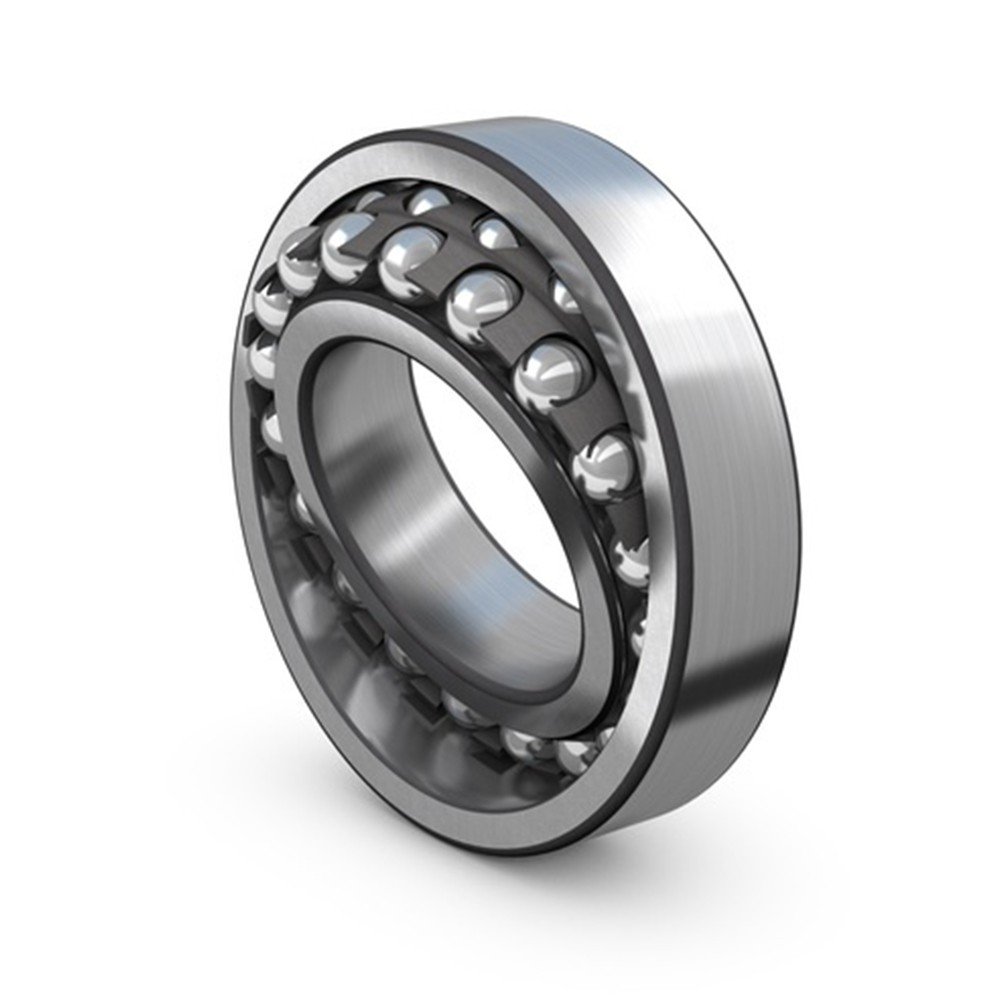
Are there specific considerations for choosing self-aligning bearings in applications with challenging operating conditions or varying misalignment requirements?
Yes, there are specific considerations to take into account when choosing self-aligning bearings for applications with challenging operating conditions or varying misalignment requirements. Here’s a detailed explanation:
- Operating Conditions:
When selecting self-aligning bearings for challenging operating conditions, it’s important to consider factors such as temperature, speed, load, and environmental conditions. High temperatures, extreme speeds, heavy loads, and harsh environments can all impact the performance and durability of the bearing. In such cases, it may be necessary to choose self-aligning bearings with special heat-resistant materials, high-speed capabilities, increased load-carrying capacity, or enhanced corrosion resistance. Additionally, proper lubrication selection and maintenance practices become crucial to ensure optimal performance and longevity of the bearings.
- Misalignment Requirements:
Self-aligning bearings are specifically designed to accommodate misalignment between the shaft and the housing. However, different applications may have varying misalignment requirements. It’s important to consider the magnitude and type of misalignment that the bearing will experience. Some self-aligning bearings can accommodate larger misalignments, while others are designed for smaller or specific types of misalignments, such as angular or parallel misalignment. Understanding the misalignment characteristics of the application is essential to select the appropriate self-aligning bearings that can effectively handle the expected misalignment conditions.
- Load Capacity and Dynamic Performance:
In applications with challenging operating conditions, it’s crucial to assess the load capacity and dynamic performance requirements of the self-aligning bearings. Heavy loads, shock loads, or vibrations can significantly affect the bearing’s performance and service life. It’s important to choose self-aligning bearings with adequate load-carrying capacity, high shock resistance, and robust construction to withstand the demanding conditions. Additionally, the dynamic performance of the bearing, including factors such as rotational speed, acceleration, and deceleration, should be carefully evaluated to ensure that the selected bearings can meet the application’s performance requirements.
- Sealing and Contamination Prevention:
In challenging operating conditions, effective sealing and contamination prevention become crucial for self-aligning bearings. Dust, dirt, moisture, and other contaminants can significantly impact the bearing’s performance and service life. It’s important to select self-aligning bearings with appropriate sealing solutions, such as contact seals, non-contact seals, or hybrid seals, depending on the specific application requirements. These seals help prevent the ingress of contaminants and maintain the integrity of the bearing’s internal components, ensuring reliable operation even in harsh environments.
- Lubrication and Maintenance:
Lubrication and maintenance practices are critical considerations for self-aligning bearings in challenging operating conditions. Proper lubrication selection, including the choice of lubricant type, viscosity, and replenishment frequency, is essential to ensure optimal bearing performance and minimize the risk of premature wear or failure. Additionally, adhering to appropriate maintenance practices, such as regular inspections, re-lubrication, and monitoring of operating conditions, can help identify any potential issues early on and prevent costly downtime or unexpected failures.
By considering these specific factors and requirements, engineers can choose the most suitable self-aligning bearings for applications with challenging operating conditions or varying misalignment requirements. Taking into account the unique demands of the application ensures optimal performance, durability, and reliability of the self-aligning bearings in even the most demanding environments.

Can you explain the installation and alignment considerations for self-aligning bearings?
Proper installation and alignment are crucial for the optimal performance and longevity of self-aligning bearings. Here’s a detailed explanation of the installation and alignment considerations:
- Pre-Installation Preparation:
Prior to the installation of self-aligning bearings, it is essential to ensure a clean and suitable working environment. Here are some key considerations:
- Cleanliness: The work area should be clean and free from dust, dirt, and contaminants to prevent the ingress of foreign particles during the installation process.
- Tools and Equipment: Prepare the necessary tools and equipment required for the installation, including suitable lifting devices, torque wrenches, and lubrication apparatus.
- Inspection: Thoroughly inspect the bearing and its components for any signs of damage or defects. Replace any worn or damaged parts before proceeding with the installation.
- Lubrication: Apply the recommended lubricant to the bearing and ensure that it is properly distributed before installation. Lubrication helps reduce friction, prevent excessive wear, and facilitate smooth operation.
- Mounting Considerations:
When mounting self-aligning bearings, it is important to follow certain guidelines to ensure proper fit and alignment:
- Shaft and Housing Tolerances: Check the shaft and housing tolerances to ensure they comply with the specifications provided by the bearing manufacturer. Proper tolerances help achieve the correct fit and prevent excessive clearance or interference.
- Shaft and Housing Preparation: Clean the shaft and housing surfaces and remove any burrs or rough edges that could interfere with the bearing’s seating. Ensure that the shaft and housing are machined to the recommended tolerances and finishes.
- Mounting Method: There are various methods for mounting self-aligning bearings, including press fitting, thermal expansion, and hydraulic mounting. Follow the manufacturer’s instructions and recommended mounting method to ensure a secure and accurate fit.
- Sealing: If the self-aligning bearing has integral seals or shields, ensure that they are correctly positioned and aligned during installation. Proper sealing helps protect the bearing against contaminants and extends its service life.
- Tightening: When tightening the bearing onto the shaft or in the housing, use the recommended torque values provided by the manufacturer. Over-tightening can lead to excessive preload or damage, while under-tightening can result in insufficient seating and compromised performance.
- Alignment Considerations:
Proper alignment is crucial for self-aligning bearings to function optimally. Here are some alignment considerations:
- Angular Misalignment: Self-aligning bearings can accommodate angular misalignment to a certain degree. However, it is important to keep the misalignment within the manufacturer’s specified limits to prevent excessive stress and premature wear.
- Shaft Deflection: Consider the potential shaft deflection that may occur during operation and ensure that the self-aligning bearing can handle the expected deflection without exceeding its capacity. This may involve selecting a bearing with appropriate load-carrying capacity and considering additional support or stabilization measures.
- Alignment Verification: After installation, verify the alignment of the self-aligning bearing by measuring the axial and radial runout using appropriate alignment tools. Adjust the positioning if necessary to achieve the desired alignment within the specified tolerances.
By following these installation and alignment considerations, you can ensure the proper fit, alignment, and performance of self-aligning bearings. Adhering to the manufacturer’s guidelines and best practices helps maximize the lifespan and reliability of the bearings in various applications.
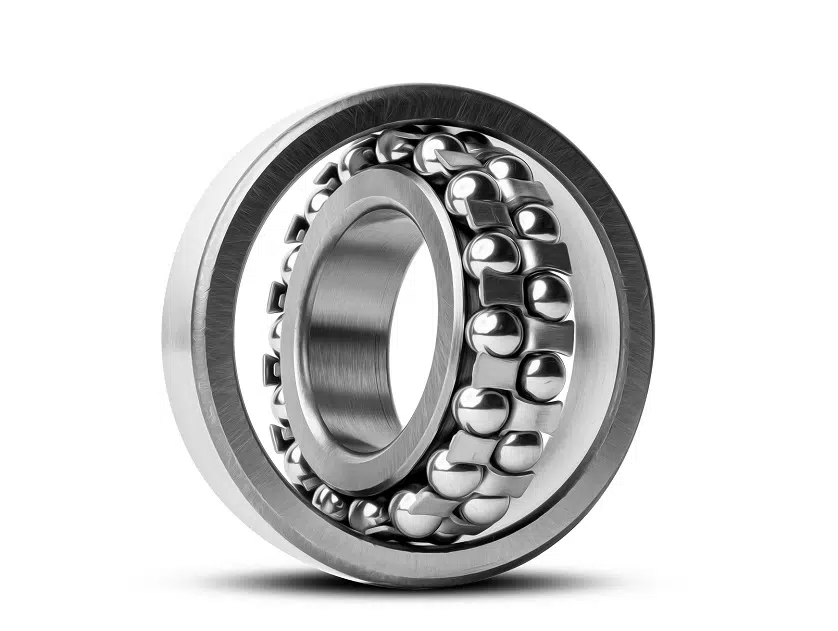
How do self-aligning bearings compensate for misalignment in machinery?
Self-aligning bearings are designed to compensate for misalignment in machinery, allowing them to accommodate angular misalignment, axial misalignment, and shaft deflection. Here’s a detailed explanation of how self-aligning bearings achieve misalignment compensation:
- Spherical Outer Ring Raceway:
The key feature of self-aligning bearings is their spherical outer ring raceway. This raceway is designed to have a curvature that matches the spherical shape of the rolling elements, such as balls or rollers. The spherical outer ring raceway allows the bearing to tilt or swivel in response to misalignment, enabling it to self-align with the mating components.
- Rolling Element Design:
The rolling elements in self-aligning bearings are carefully designed to facilitate misalignment compensation. For example, spherical roller bearings have barrel-shaped rollers, while self-aligning ball bearings have two rows of balls. These rolling elements can adjust their positions within the bearing, redistributing the load and accommodating misalignment between the shaft and the housing.
- Internal Clearance:
Self-aligning bearings often have a larger internal clearance compared to fixed or non-self-aligning bearings. This additional clearance provides space for the bearing components to move and adjust their positions during misalignment. The internal clearance allows the bearing to properly distribute the load, reduce friction, and prevent excessive stress on the rolling elements and raceways.
- Flexible Mounting:
Self-aligning bearings offer flexibility in their mounting arrangements. They can tolerate slight misalignments during installation, which simplifies the alignment process. This flexibility is particularly beneficial in applications where thermal expansion, shaft deflection, or other dynamic factors may cause misalignment during operation.
- Load Distribution:
When misalignment occurs, self-aligning bearings distribute the load more evenly across the rolling elements and raceways. This even load distribution helps reduce localized stresses and minimizes the risk of premature failure. By accommodating misalignment, self-aligning bearings allow for smoother operation and improved reliability in machinery.
It’s important to note that while self-aligning bearings can compensate for certain degrees of misalignment, there are limits to their misalignment capability. Excessive misalignment beyond the bearing’s specified limits can lead to increased friction, reduced bearing life, and potential damage. Therefore, it is crucial to follow the manufacturer’s guidelines and recommendations regarding misalignment limits and operating conditions to ensure optimal performance and longevity of self-aligning bearings in machinery.


editor by CX 2024-03-30