Product Description
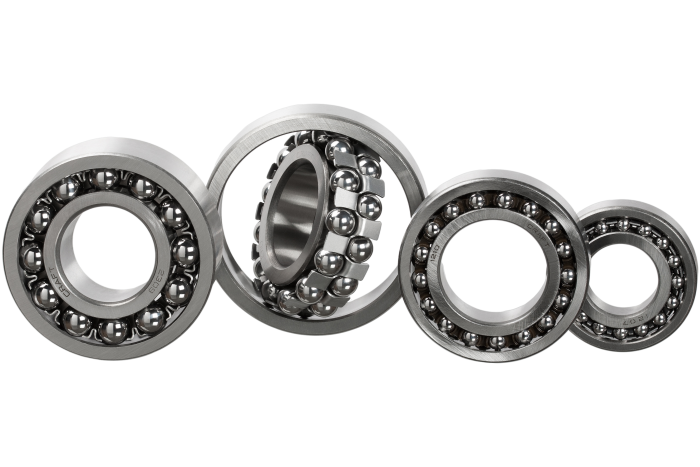
2217K High Quality Self-Aligning Ball Bearing
2217K self-aligning ball bearing more detail
| production name | 2217K High Quality Self-Aligning Ball Bearing |
| brand | TFN/OEM/SEMRI |
| Model Number | 2217K |
| Dimension | 85X150X36mm |
| Basic dynamic load rating | 58.5kn |
| Basic static load rating | 23.6kn |
| Fatigue load limit | 1.12kn |
| Reference speed | 8000r/Min |
| Limiting speed | 5600r/Min |
| Ring Material | Gcr15/ Carbon Steel/ Stainless Steel/ Si3N4/ ZrO2 |
| Cage Material | Steel/ Brass/ Nylon/ Custom |
| Precision | P0, P6, P5, or as requested |
| Vibration | ZV1, ZV2, ZV3, or as requested |
| Clearance | C0,C2,C3, or as requested |
| Quality standard | ISO9001:2000/ SGS |
| Quality Control Process | 1.Assembly |
| 2.Windage test2.Windage test | |
| 3.Cleaning | |
| 4.Rotary test | |
| 5.Greasing and gland | |
| 6.Noise inspection | |
| 7.Appearance inspection | |
| 8.Rust prevention | |
| 9.Product packaging | |
| Ansökan | low noise machine,automobile,motorcycle,and the general machinery and etc. |
More model of self-aligning ball bearing
| Bearing Number | Boundary dimensions(mm) | Basic load ratings(kN) | Limiting speeds(rpm) | Mass(Kg) | ||||||
| d | D | B | rs min | Cr | Cor | Grease | Oil | (Approx.) | ||
| 12 Series | 1200 | 10 | 30 | 9 | 0.6 | 5.5 | 1.19 | 21,000 | 24,000 | 0.033 |
| 1201 | 12 | 32 | 10 | 0.6 | 5.6 | 1.27 | 18,000 | 22,000 | 0.04 | |
| 1202 | 15 | 35 | 11 | 0.6 | 7.45 | 1.75 | 16,000 | 19,000 | 0.049 | |
| 1203 | 17 | 40 | 12 | 0.6 | 7.9 | 2.01 | 14,000 | 17,000 | 0.072 | |
| 1204 | 20 | 47 | 14 | 1 | 9.9 | 2.61 | 13,000 | 15,000 | 0.116 | |
| 1205 | 25 | 52 | 15 | 1 | 12.1 | 3.3 | 11,000 | 13,000 | 0.138 | |
| 1206 | 30 | 62 | 16 | 1 | 15.6 | 4.65 | 9,200 | 11,000 | 0.217 | |
| 1207 | 35 | 72 | 17 | 1.1 | 15.8 | 5.1 | 8,000 | 9,400 | 0.317 | |
| 1208 | 40 | 80 | 18 | 1.1 | 19.3 | 6.55 | 7,100 | 8,400 | 0.414 | |
| 1209 | 45 | 85 | 19 | 1.1 | 21.9 | 7.35 | 6,400 | 7,500 | 0.457 | |
| 1210 | 50 | 90 | 20 | 1.1 | 22.7 | 8.1 | 5,800 | 6,800 | 0.515 | |
| 1211 | 55 | 100 | 21 | 1.5 | 26.8 | 10 | 5,300 | 6,200 | 0.692 | |
| 1212 | 60 | 110 | 22 | 1.5 | 30 | 11.5 | 4,900 | 5,800 | 0.879 | |
| 1213 | 65 | 120 | 23 | 1.5 | 31 | 12.5 | 4,500 | 5,300 | 1.13 | |
| 1214 | 70 | 125 | 24 | 1.5 | 34.5 | 13.8 | 4,200 | 4,900 | 1.24 | |
| 1215 | 75 | 130 | 25 | 1.5 | 39 | 15.7 | 3,900 | 4,600 | 1.33 | |
| 1216 | 80 | 140 | 26 | 2 | 40 | 17 | 3,700 | 4,300 | 1.65 | |
| 1217 | 85 | 150 | 28 | 2 | 49 | 20.8 | 3,500 | 4,100 | 2.06 | |
| 1218 | 90 | 160 | 30 | 2 | 57 | 23.5 | 3,300 | 3,800 | 2.51 | |
| 1219 | 95 | 170 | 32 | 2.1 | 64 | 27.1 | 3,100 | 3,600 | 3.1 | |
| 1220 | 100 | 180 | 34 | 2.1 | 69 | 29.7 | 2,900 | 3,400 | 3.7 | |
| 1221 | 105 | 190 | 36 | 2.1 | 74.5 | 32.5 | 2,800 | 3,300 | 4.34 | |
| 1222 | 110 | 200 | 38 | 2.1 | 80.5 | 35.5 | 2,600 | 3,100 | 5.15 | |
| 12K Series | 1203K | 17 | 40 | 12 | 0.6 | 7.9 | 2.01 | 14,000 | 17,000 | 0.076 |
| 1204K | 20 | 47 | 14 | 1 | 9.9 | 2.61 | 13,000 | 15,000 | 0.114 | |
| 1205K | 25 | 52 | 15 | 1 | 12.1 | 3.3 | 11,000 | 13,000 | 0.135 | |
| 1206K | 30 | 62 | 16 | 1 | 15.6 | 4.65 | 9,200 | 11,000 | 0.213 | |
| 1207K | 35 | 72 | 17 | 1.1 | 15.8 | 5.1 | 8,000 | 9,400 | 0.312 | |
| 1208K | 40 | 80 | 18 | 1.1 | 19.3 | 6.55 | 7,100 | 8,400 | 0.407 | |
| 1209K | 45 | 85 | 19 | 1.1 | 21.9 | 7.35 | 6,400 | 7,500 | 0.448 | |
| 1210K | 50 | 90 | 20 | 1.1 | 22.7 | 8.1 | 5,800 | 6,800 | 0.504 | |
| 1211K | 55 | 100 | 21 | 1.5 | 26.8 | 10 | 5,300 | 6,200 | 0.679 | |
| 1212K | 60 | 110 | 22 | 1.5 | 30 | 11.5 | 4,900 | 5,800 | 0.864 | |
| 1213K | 65 | 120 | 23 | 1.5 | 31 | 12.5 | 4,500 | 5,300 | 1.11 | |
| 1215K | 75 | 130 | 25 | 1.5 | 39 | 15.7 | 3,900 | 4,600 | 1.31 | |
| 1216K | 80 | 140 | 26 | 2 | 40 | 17 | 3,700 | 4,300 | 1.62 | |
| 1217K | 85 | 150 | 28 | 2 | 49 | 20.8 | 3,500 | 4,100 | 2.03 | |
| 1218K | 90 | 160 | 30 | 2 | 57 | 23.5 | 3,300 | 3,800 | 2.47 | |
| 1219K | 95 | 170 | 32 | 2.1 | 64 | 27.1 | 3,100 | 3,600 | 3.05 | |
| 1220K | 100 | 180 | 34 | 2.1 | 69 | 29.7 | 2,900 | 3,400 | 3.64 | |
| 1222K | 110 | 200 | 38 | 2.1 | 80.5 | 35.5 | 2,600 | 3,100 | 5.07 | |
| 1224K | 120 | 215 | 40 | 2.1 | 119.5 | 52.5 | 2,000 | 2,600 | 5.9 | |
FAQ
1.Q:Are you a factory or trading company?
A:SEMRI Bearing is specialized in manufacturing and exporting bearings.
SEMRI Bearing have own factory and warehouse.
2.Q:Can I get some samples and do you offer the sample free?
A:Yes, sure, SEMRI Bearing are honored to offer you samples.Can you buy a ticket ?3.Q:What is the payment?
A: 30% T/T In Advance, 70% T/T Against Copy Of B/L
B: 100% L/C At Sight
4.Q:What is the MOQ for bearing?
A: SEMRI Bearing MOQ is 1 pc.
5.Q:What kind of service you can offer?
A:Technology support;Installation guidance;OEM
/* January 22, 2571 19:08:37 */!function(){function s(e,r){var a,o={};try{e&&e.split(“,”).forEach(function(e,t){e&&(a=e.match(/(.*?):(.*)$/))&&1
| Product Name: | 2217K High Quality Self-Aligning Ball Bearing |
|---|---|
| Size: | 85X150X36mm |
| Weight: | 9.8kg |
| Samples: |
US$ 0/Piece
1 Piece(Min.Order) | Order Sample |
|---|
| Customization: |
Available
| Customized Request |
|---|
.shipping-cost-tm .tm-status-off{background: none;padding:0;color: #1470cc}
| Shipping Cost:
Estimated freight per unit. |
about shipping cost and estimated delivery time. |
|---|
| Payment Method: |
|
|---|---|
|
Initial Payment Full Payment |
| Currency: | US$ |
|---|
| Return&refunds: | You can apply for a refund up to 30 days after receipt of the products. |
|---|
Can you provide guidance on the selection and sizing of self-aligning bearings for specific applications?
Yes, here’s a detailed explanation on the selection and sizing of self-aligning bearings for specific applications:
- Understand the Application Requirements:
The first step in selecting and sizing self-aligning bearings is to thoroughly understand the requirements of the application. Consider factors such as:
- Load: Determine the magnitude and direction of the load the bearing will be subjected to, including static, dynamic, and shock loads.
- Speed: Identify the rotational speed or frequency of operation to ensure the selected bearing can handle the required speed without compromising performance.
- Environment: Consider the operating environment, including temperature range, presence of contaminants, moisture, or corrosive substances, and any other specific environmental factors that may affect the bearing’s performance.
- Mounting and Space Constraints: Evaluate the available space for bearing installation and any specific mounting requirements or constraints within the application.
- Service Life and Maintenance: Determine the desired service life and maintenance intervals to select a bearing that can meet these requirements.
- Consult Bearing Manufacturer’s Catalogs and Technical Resources:
Once the application requirements are understood, consult the catalogs and technical resources provided by self-aligning bearing manufacturers. These resources contain valuable information such as bearing types, sizes, load ratings, and operating characteristics.
Identify the specific self-aligning bearing series or types that are suitable for the application based on the load capacity, speed capability, and other performance factors.
- Consider Bearing Materials and Lubrication:
Pay attention to the bearing materials and lubrication requirements. Different bearing materials, such as steel, ceramic, or polymers, offer varying levels of performance in terms of load capacity, temperature resistance, and corrosion resistance.
Choose the appropriate bearing material that aligns with the application’s requirements. Additionally, consider the lubrication method and type of lubricant recommended for optimal bearing performance and longevity.
- Factor in Safety and Reliability:
Ensure that the selected self-aligning bearing has an appropriate safety margin to handle the expected loads and operating conditions. It is advisable to consult with bearing experts or utilize engineering calculations to verify the bearing’s suitability and reliability.
- Consider Application-Specific Features:
Depending on the application, there may be specific features or options to consider. For example, applications with high contamination levels may require sealed or shielded bearings to prevent debris ingress, while applications with high-speed requirements may benefit from bearings with optimized internal designs or cage materials.
- Review Manufacturer Recommendations:
Finally, review the manufacturer’s recommendations for the selected self-aligning bearing in terms of installation guidelines, maintenance procedures, and any specific considerations for the application.
By following these guidelines and consulting with bearing manufacturers or experts when needed, you can make an informed selection and sizing of self-aligning bearings that meet the specific requirements of your application, ensuring reliable performance and longevity.
Can self-aligning bearings be customized or modified for unique industrial needs?
Yes, self-aligning bearings can be customized or modified to meet unique industrial needs. Here’s a detailed explanation:
- Customized Designs:
Manufacturers of self-aligning bearings often offer customization options to accommodate specific industrial requirements. These customization options can include:
- Size and Dimensions: Self-aligning bearings can be customized to different sizes and dimensions, allowing them to fit specific equipment or space constraints within an industrial setting.
- Load Capacity: Manufacturers can modify self-aligning bearings to handle higher or lower load capacities based on the unique demands of an application. This can involve altering the bearing’s internal geometry, material selection, or heat treatment processes.
- Operating Conditions: Customizations can be madeto enhance the performance of self-aligning bearings in specific operating conditions. For example, the bearing’s materials, lubrication, or sealing arrangements can be tailored to withstand extreme temperatures, corrosive environments, or high levels of contamination.
- Mounting Configurations: Self-aligning bearings can be customized to meet specific mounting requirements. This may involve modifying the bearing’s outer ring, inner ring, or flange configurations to ensure proper fit and alignment within a particular industrial setup.
- Sealing and Protection: Manufacturers can provide customized sealing arrangements to prevent the ingress of contaminants or protect the bearing from harsh external conditions. This can include adding specialized seals, shields, or coatings to enhance the bearing’s durability and longevity.
- Lubrication: The lubrication requirements of self-aligning bearings can be customized based on the application’s specific needs. Manufacturers can offer different lubrication options, such as solid lubricants or specialized greases, to optimize performance and minimize maintenance requirements.
- Collaboration with Manufacturers:
When unique industrial needs arise, it is advisable to collaborate closely with the bearing manufacturer or consult with bearing experts. They can provide technical expertise and guidance to assess the specific requirements and propose suitable customizations or modifications to the self-aligning bearings.
It is important to note that customization or modification of self-aligning bearings may involve additional costs and lead time for manufacturing. Therefore, a thorough evaluation of the application’s needs, cost-benefit analysis, and discussions with the manufacturer are essential to determine the feasibility and effectiveness of the customization process.
By leveraging the customization options offered by bearing manufacturers and working in collaboration with experts, self-aligning bearings can be tailored to meet the unique demands of various industries, ensuring optimal performance, reliability, and longevity in specific industrial applications.
What are self-aligning bearings, and how do they function in machinery?
Self-aligning bearings are a type of rolling contact bearings that are designed to accommodate misalignment between the shaft and the housing in machinery. They are commonly used in applications where shaft deflection, shaft misalignment, or mounting errors are expected.
Here’s a detailed explanation of self-aligning bearings and their functioning in machinery:
- Design and Construction:
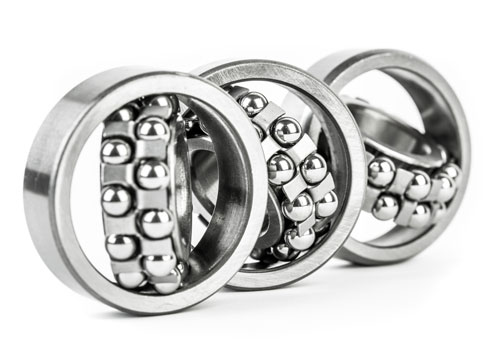
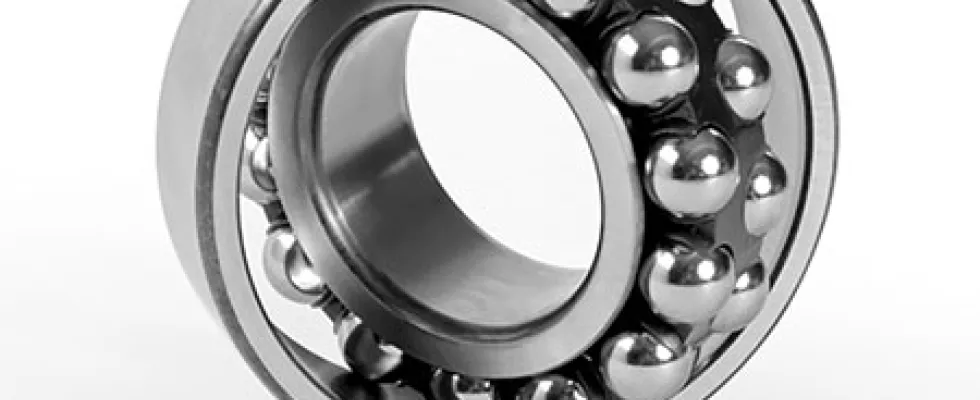
Self-aligning bearings consist of two main components: an inner ring with the rolling elements and an outer ring with a spherical raceway. The inner ring is typically mounted on the rotating shaft, while the outer ring is mounted in the housing. The rolling elements, usually balls or rollers, are positioned between the inner and outer rings to facilitate smooth rotation.
The key feature of self-aligning bearings is the spherical shape of the outer ring raceway. This design allows the bearing to accommodate angular misalignment between the shaft and the housing, as well as any axial misalignment or shaft deflection that may occur during operation.
- Functioning in Machinery:
Self-aligning bearings function in machinery by providing several important benefits:
- Misalignment Compensation: Self-aligning bearings can compensate for angular misalignment between the shaft and the housing. This is particularly useful in applications where there may be slight misalignments due to manufacturing tolerances, thermal expansion, or shaft deflection under load. The self-aligning capability allows the bearing to maintain proper alignment and minimize stress on the bearing components.
- Reduced Friction and Wear: The ability of self-aligning bearings to accommodate misalignment helps reduce friction and wear. Misalignment can cause uneven loading and increased stress on the bearing, leading to premature failure. By allowing the bearing to adjust its position, self-aligning bearings distribute the load more evenly, reducing friction and wear on the rolling elements and raceways.
- Shock and Vibration Absorption: Self-aligning bearings can also absorb shocks and vibrations that may occur during operation. The spherical shape of the outer ring raceway allows the bearing to move and adjust its position, effectively absorbing and dampening the impact of shocks and vibrations. This helps improve the overall stability, smoothness, and durability of the machinery.
- Easy Installation and Maintenance: Self-aligning bearings are relatively easy to install and maintain. The self-aligning capability simplifies the alignment process during installation, as slight misalignments can be accommodated. Additionally, regular maintenance tasks, such as re-greasing or replacement of the bearing, can be performed more easily due to the flexibility and adjustability of self-aligning bearings.
Overall, self-aligning bearings play a crucial role in machinery by allowing for misalignment compensation, reducing friction and wear, absorbing shocks and vibrations, and providing ease of installation and maintenance. These features contribute to improved performance, reliability, and durability of the machinery in various applications.


editor by CX 2024-03-25