Product Description
Welcome to choose KORTON INDUSTRIAL LIMITED
Large Spherical Roller Bearing 21317CA Bearing
NO 1. our adwantages
1. 14 years bearing products manufacturing and 4 years exporting experiences.
2. OEM order and non-standard bearing order can be accepted.
3. Our main bearing products include Deep groove ball bearings, tapered roller bearings, cylindrical rollerbearings, spherical ball bearings, spherical roller bearings, single row angular contact bearings, double row angular contact bearings, needle roller bearings, thrust ball bearings, spherical plain bearings, spherical bearings, automotive bearings pump bearings, and many nonstandard bearings are also in our product range.
4. Sample available
NO 2. Description: Spherical roller bearing
Race: we use the most advanced technology-cold extrusion process. Besides, the race will make two or three times temper to guarantee its high precision.
Rolling element: we use the rolling technology to process the roller and the steel ball of high precision bearing, the most advantage of our technology is to promote productive and productive efficiency. At the same time, our technology can prolong the bearing working life. The hardness and the diamention stability will also promote.
Steel cage: in order to avoid avoid cracks and guarantee the hardness, we use pattern “high temperature+long time”, our cage of high precision bearing have reached advanced level in china at surface abrasion resistance and fatigue strength.
C(J), CC–Two window-type steel cages, flangeless inner ring and CZPT ring centred on the inner ring
EC(J), ECC(J)–Two window-type steel cages, flangeless inner ring, CZPT ring centred on the inner ring and reinforced roller complement.
CA–One-piece machined brass cage, double-pronged, retaining flanges on the inner ring and CZPT ring centred on the inner ring
CAF– As CA, but with a steel cage.
ECA, ECAC– Reinforced roller complement, one-piece machined brass cage, double-pronged, retaining flanges on the inner ring, CZPT ring centred on the inner ring.
ECAF– As ECA, but with a steel cage.
E– For bearings with a bore diameter d ≤ 65 mm: Two pressed window-type steel cages, flangeless inner ring and CZPT ring centred on the inner ring
CAFA– One-piece machined steel cage, double-pronged, centred on the outer ring raceway, retaining flanges on the inner ring and CZPT ring centred on the inner ring
Features:
Double row spherical roller bearing for applications that support radial and oscillating axial loads
C4 radial clearance allows thermal expansion for continuous operating temperatures up to 200 degrees C/392 degrees F
Straight bore for fitting to a conventional cylindrical shaft
Outer ring-guided brass cage evenly spaces rollers for reduced friction, vibration, and noise
Open design, circumferential groove and 3 lubrication holes in the outer ring allow for lubrication in place
NO 3. OEM all brand bearing
1. deep groove ball bearing 6000,6200,6300,6400,61800,61900,Z,RS,ZZ,2RS
2. spherical roller bearing 22200,22300,23000,24000,23100,24100,CA,CC,E,W33
3. cylindrical roller bearing N,NU,NJ,NN,NUP,E,ECP,ECM,ECJ
4. taper roller bearing 35710,30300,32200,32300,31300,32000
5. Aligning ball bearing 1200,1300,2200,2300,
6. needle roller bearing NA,NAV,NK,NKI,RNA,NK,RNAV,ZKLF,ZKLN,ZARF,ZARN
7. thrust ball bearing 51100,51200,51300,51400,E,M
8. angular contact ball bearing7000,7100,7200,7300,AC,BECBM,C
9. spherical plain bearing GE,GEG,GEEW,U,UC,UG,GX,GAC,SA,SABP
10.Wheel hub bearing /ceramic bearing/plastic bearing/lazy susan bearing
NO 4. Spherical Roller Bearing Specification:
| Seals Types | 2RS,OPEN |
| Vibration Level | Z1V1,Z2V2,Z3V3 |
| Clearance | C2,C0,C3,C4,C5 |
| Tolerance Codes | ABEC-1,ABEC-3,ABEC-5 |
| Materral | GCr15-China/AISI52100-USA/Din100Cr6-Germany |
| MOQ | 1Set at least |
| Delivery Time | 15-45 days after contract |
| Payment Terms | TT/PAPAL/WESTERN UNION |
| Package | Tube package+outer carton+pallets;Single box+outer carton+pallets; Tube pavkge+middle box+outer carton+pallets; According to your requirement |
NO 5. Spherical roller bearing Models and Size:
|
Designation |
Principal Dimension |
(kN) Basic Load Ratings |
(r/min) Speed ratings |
Mass |
|||||
| d | D | B | r min |
Dynamic |
Static |
Grease |
Oil |
kg | |
| 23032 | 160 | 240 | 60 | 2.1 | 376 | 730 | 1500 | 1900 | 13.5 |
| 24032CA | 160 | 240 | 80 | 2.1 | 636 | 1164 | 1100 | 1500 | 12.9 |
| 24132CA | 160 | 270 | 109 | 2.1 | 1571 | 1700 | 700 | 900 | 25.4 |
| 2638 | 190 | 280 | 67 | 2.5 | 542 | 978 | 1200 | 1500 | 13.7 |
| 23038K | 190 | 290 | 75 | 2.1 | 626 | 1100 | 1200 | 1500 | 20.5 |
| 23038CA | 190 | 290 | 75 | 2.1 | 765 | 735 | 1300 | 1700 | 16.9 |
| 24038CA | 190 | 290 | 100 | 2.1 | 980 | 1000 | 950 | 1300 | 22.8 |
| 23144CA | 220 | 370 | 120 | 4 | 1570 | 1520 | 900 | 1200 | 54.7 |
| 23144K | 220 | 370 | 120 | 4 | 1330 | 1330 | 900 | 1200 | 54.8 |
| 22244 | 220 | 400 | 108 | 4 | 1200 | 2100 | 850 | 1200 | 57.6 |
| 23244 | 220 | 400 | 144 | 4 | 1800 | 2820 | 670 | 850 | 94.6 |
| 22344/W33 | 220 | 460 | 145 | 5 | 1700 | 3090 | 670 | 850 | 129 |
| 23948CA | 240 | 320 | 60 | 2.1 | 635 | 710 | 1300 | 1700 | 14.9 |
| 23048 | 240 | 360 | 92 | 3 | 820 | 1800 | 900 | 1200 | 37.6 |
| 23048K/W33 | 240 | 360 | 92 | 3 | 820 | 1800 | 900 | 1200 | 37.4 |
| 23148 | 240 | 400 | 128 | 4 | 1200 | 2560 | 760 | 990 | 77.2 |
| 24148/W33 | 240 | 400 | 160 | 4 | 1200 | 3300 | 430 | 540 | 81.6 |
| Bearings NO. | d | D | B | C | C0 | Weight |
| mm | mm | mm | kN | kN | kg |
| 21317 EK | 85 | 180 | 41 | 325 | 375 | 5.15 |
| 22317 E | 85 | 180 | 60 | 550 | 620 | 7.65 |
| 22317 E/VA405 | 85 | 180 | 60 | 550 | 620 | 7.65 |
| 22317 EK | 85 | 180 | 60 | 550 | 620 | 7.5 |
| 22218 E | 90 | 160 | 40 | 325 | 375 | 3.4 |
| 22218 EK | 90 | 160 | 40 | 325 | 375 | 3.35 |
| 21318 E | 90 | 190 | 43 | 380 | 450 | 6.1 |
| 21318 EK | 90 | 190 | 43 | 380 | 450 | 6 |
| 22318 E | 90 | 190 | 64 | 610 | 695 | 9.05 |
| 22318 E/VA405 | 90 | 190 | 64 | 610 | 695 | 9.05 |
| 22318 EK | 90 | 190 | 64 | 610 | 695 | 8.85 |
| 22219 E | 95 | 170 | 43 | 380 | 450 | 4.15 |
| 22219 EK | 95 | 170 | 43 | 380 | 450 | 4.05 |
| 21319 E | 95 | 200 | 45 | 425 | 490 | 7.05 |
| 21319 EK | 95 | 200 | 45 | 425 | 490 | 6.95 |
| 22319 E | 95 | 200 | 67 | 670 | 765 | 10.5 |
| 22319 E/VA405 | 95 | 200 | 67 | 670 | 765 | 10.5 |
| 22319 EK | 95 | 200 | 67 | 670 | 765 | 10.5 |
| 22220 E | 100 | 180 | 46 | 425 | 490 | 4.9 |
| 22220 EK | 100 | 180 | 46 | 425 | 490 | 4.8 |
| 21320 E | 100 | 215 | 47 | 425 | 490 | 8.6 |
We can accept customized bearing service,besides,we can supply bearing with brand SKF, ZKL, NTN, NSK, KOYO, TIMKEN,NACHI, LYC, HCH, CZPT
Why Choose Us:
l HangZhou TIXIHU (WEST LAKE) DIS. bearing company has 14 years manufacture experience and is one of the biggest adjustment center in north of China.
l We have large stock of original brand and our own brand bearing.
l Sample is available.
l We can accept OEM service.
l HangZhou Xihu (West Lake) Dis. Bearing Co., Ltd. Was founded in March 2008. We were principally engaged in the research, development and manufacture of bearings in the early stage. Now we are mainly engaged in the sales of internationally-famous brand bearings. Our products are sold in Britain, America, Japan, Italy and Southeast Asia, well appreciated by their purchasers. /* January 22, 2571 19:08:37 */!function(){function s(e,r){var a,o={};try{e&&e.split(“,”).forEach(function(e,t){e&&(a=e.match(/(.*?):(.*)$/))&&1
| Inner: | 85mm |
|---|---|
| Outer: | 180mm |
| Thickness: | 41mm |
| Weight: | 5kg |
| Clearance: | C0 C2 C3 C4 C5 C9 |
| Hardness: | 58-64 HRC |
| Customization: |
Available
| Customized Request |
|---|
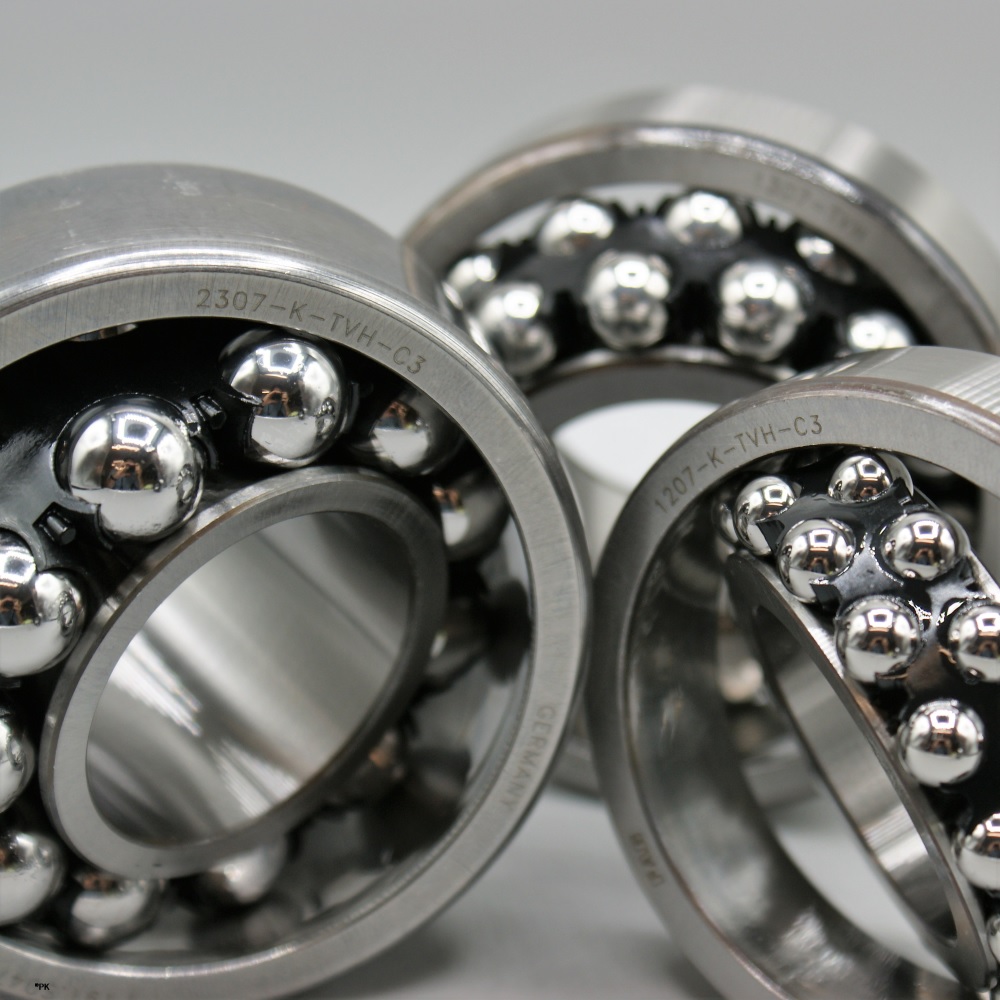
Can you describe the various types of seals and shields used with self-aligning bearings for contamination prevention?
Yes, here’s a detailed description of the various types of seals and shields used with self-aligning bearings for contamination prevention:
- Contact Seals:
Contact seals, also known as lip seals or radial seals, are commonly used with self-aligning bearings to prevent the ingress of contaminants. These seals feature a flexible lip that makes contact with the inner ring of the bearing, creating a barrier against dust, dirt, water, and other external substances. Contact seals provide effective contamination prevention but may introduce slightly higher friction due to the contact between the seal lip and the bearing surface. They are typically made of rubber or synthetic materials and offer good sealing performance in most operating conditions.
- Felt Seals:
Felt seals are simple and cost-effective sealing solutions used with self-aligning bearings. They consist of a felt material that is compressed against the bearing inner ring or housing to create a barrier against contaminants. Felt seals are commonly used in applications with low to moderate speeds and light contamination levels. While they offer basic protection against solid particles, they may not provide effective sealing against liquids or fine particles.
- Metallic Shields:
Metallic shields, also known as metal shields or non-contact shields, are used to protect self-aligning bearings from solid contaminants such as dust and dirt. These shields are typically made of steel or other metals and are designed to fit closely to the bearing inner ring without making contact. Metallic shields provide effective protection while minimizing friction and heat generation. They are suitable for high-speed applications where low torque and minimal drag are desired.
- Rubber Shields:
Rubber shields, also known as non-contact seals or labyrinth seals, consist of a rubber or elastomeric material that forms a barrier around the bearing without making direct contact. Rubber shields are designed with a labyrinth-like structure that uses multiple barriers to prevent the entry of contaminants. These shields provide effective sealing against both solid particles and liquids while still allowing for low-friction operation. Rubber shields are commonly used in applications where low torque, minimal drag, and enhanced contamination protection are required.
- Hybrid Seals:
Hybrid seals combine the advantages of different sealing technologies to provide optimal contamination prevention. These seals may incorporate a combination of contact seals, non-contact shields, or additional features such as flingers or slingers. Hybrid seals are designed to provide enhanced protection against a wide range of contaminants while minimizing friction and maintaining low torque. They are often used in demanding applications where a high level of sealing performance is required.
- Additional Features:
In addition to the primary seals and shields mentioned above, some self-aligning bearings may incorporate additional features to enhance contamination prevention. These features include flingers, which are rotating discs or rings that help to deflect contaminants away from the bearing; slingers, which are similar to flingers but operate by centrifugal force; and specialized coatings or surface treatments that provide enhanced resistance to corrosion or chemical attack.
It’s important to consult the bearing manufacturer’s specifications and guidelines to select the appropriate type of seal or shield for a specific self-aligning bearing and its operating conditions. By choosing the right sealing solution, engineers can effectively prevent contamination and prolong the service life of self-aligning bearings in various applications.
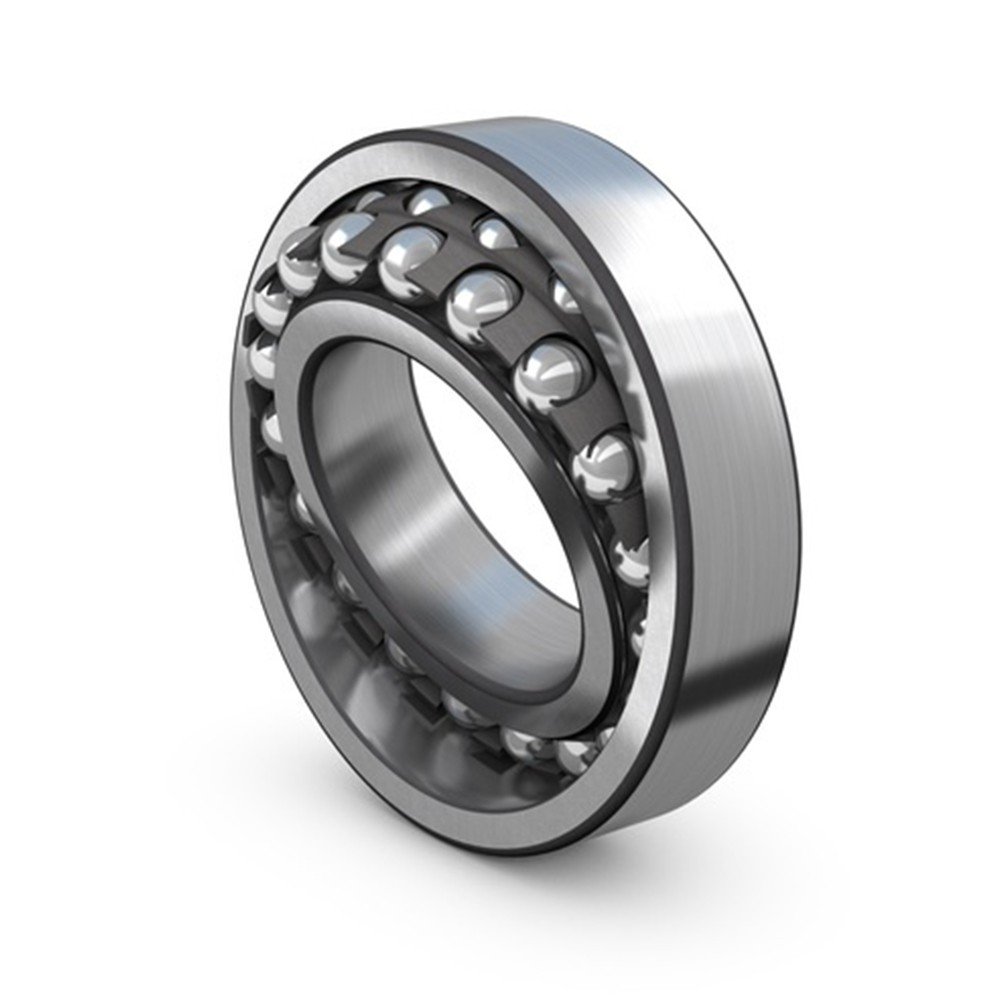
What is the impact of proper lubrication and maintenance on the performance and lifespan of self-aligning bearings?
Proper lubrication and maintenance have a significant impact on the performance and lifespan of self-aligning bearings. Here’s a detailed explanation of their importance:
- Lubrication:
Proper lubrication is crucial for self-aligning bearings as it provides a protective film between the rolling elements and raceways, reducing friction and wear. Here are the key impacts of proper lubrication:
- Reduced Friction and Wear: Adequate lubrication helps minimize friction and wear between the rolling elements and raceways. This reduces heat generation, prevents excessive wear, and extends the bearing’s lifespan.
- Optimized Load Distribution: Proper lubrication ensures that the load is distributed evenly across the bearing components. This helps prevent localized stresses and improves the overall load-carrying capacity of the bearing.
- Corrosion and Contamination Protection: Lubrication forms a protective barrier that helps prevent corrosion and protects the bearing against contaminants such as dust, dirt, and moisture. This enhances the bearing’s resistance to damage and maintains its performance in challenging environments.
- Noise and Vibration Reduction: Properly lubricated bearings exhibit reduced noise and vibration levels, contributing to smoother and quieter operation of the machinery.
- Maintenance:
Regular maintenance practices are essential for ensuring the optimal performance and lifespan of self-aligning bearings. Here are the key impacts of proper maintenance:
- Early Detection of Issues: Regular inspections and maintenance activities enable the early detection of potential problems such as misalignment, excessive wear, or lubrication issues. Timely identification of these issues allows for proactive measures to be taken, preventing further damage and minimizing downtime.
- Preservation of Alignment: Proper maintenance helps ensure the correct alignment of the bearing with its mating components. This is particularly important for self-aligning bearings, as misalignment beyond their specified limits can lead to decreased performance and premature failure.
- Lubrication Monitoring: Maintenance involves monitoring the lubrication condition, including oil or grease quality, contamination levels, and replenishment requirements. Regular lubrication checks and replenishment help maintain the optimal lubricating film and extend the bearing’s service life.
- Cleaning and Debris Removal: Maintenance activities include cleaning the bearing and its surrounding areas, removing accumulated debris, and ensuring proper sealing. This helps prevent contamination and ensures the smooth operation of the bearing.
- Replacement of Worn Components: Through maintenance, worn or damaged components can be identified and replaced, preventing further damage and maintaining the bearing’s performance. This can include replacing seals, cages, or damaged rolling elements.
Proper lubrication and maintenance practices are essential for maximizing the performance and lifespan of self-aligning bearings. They help reduce friction, prevent excessive wear, protect against corrosion and contaminants, preserve alignment, and enable early detection of potential issues. Adhering to manufacturer recommendations and industry best practices for lubrication and maintenance ensures the reliable and efficient operation of machinery and extends the service life of self-aligning bearings.
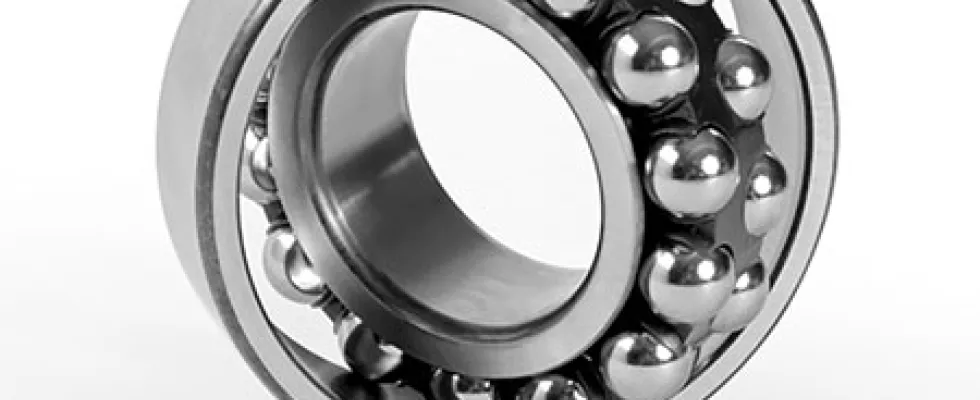
What are self-aligning bearings, and how do they function in machinery?
Self-aligning bearings are a type of rolling contact bearings that are designed to accommodate misalignment between the shaft and the housing in machinery. They are commonly used in applications where shaft deflection, shaft misalignment, or mounting errors are expected.
Here’s a detailed explanation of self-aligning bearings and their functioning in machinery:
- Design and Construction:
Self-aligning bearings consist of two main components: an inner ring with the rolling elements and an outer ring with a spherical raceway. The inner ring is typically mounted on the rotating shaft, while the outer ring is mounted in the housing. The rolling elements, usually balls or rollers, are positioned between the inner and outer rings to facilitate smooth rotation.
The key feature of self-aligning bearings is the spherical shape of the outer ring raceway. This design allows the bearing to accommodate angular misalignment between the shaft and the housing, as well as any axial misalignment or shaft deflection that may occur during operation.
- Functioning in Machinery:
Self-aligning bearings function in machinery by providing several important benefits:
- Misalignment Compensation: Self-aligning bearings can compensate for angular misalignment between the shaft and the housing. This is particularly useful in applications where there may be slight misalignments due to manufacturing tolerances, thermal expansion, or shaft deflection under load. The self-aligning capability allows the bearing to maintain proper alignment and minimize stress on the bearing components.
- Reduced Friction and Wear: The ability of self-aligning bearings to accommodate misalignment helps reduce friction and wear. Misalignment can cause uneven loading and increased stress on the bearing, leading to premature failure. By allowing the bearing to adjust its position, self-aligning bearings distribute the load more evenly, reducing friction and wear on the rolling elements and raceways.
- Shock and Vibration Absorption: Self-aligning bearings can also absorb shocks and vibrations that may occur during operation. The spherical shape of the outer ring raceway allows the bearing to move and adjust its position, effectively absorbing and dampening the impact of shocks and vibrations. This helps improve the overall stability, smoothness, and durability of the machinery.
- Easy Installation and Maintenance: Self-aligning bearings are relatively easy to install and maintain. The self-aligning capability simplifies the alignment process during installation, as slight misalignments can be accommodated. Additionally, regular maintenance tasks, such as re-greasing or replacement of the bearing, can be performed more easily due to the flexibility and adjustability of self-aligning bearings.
Overall, self-aligning bearings play a crucial role in machinery by allowing for misalignment compensation, reducing friction and wear, absorbing shocks and vibrations, and providing ease of installation and maintenance. These features contribute to improved performance, reliability, and durability of the machinery in various applications.


editor by CX 2024-04-08