Product Description
Product Description
Detailed Photos
Certifications
Packaging & Shipping
Company Profile
ZheJiang CZPT Metal Co., Ltd. is located in HangZhou, ZheJiang Province,which is founded in 2571.
Mainly engaged in the production and sales of auto parts. For the automobile after-sales maintenance market to provide a complete variety of high-quality parts products, the annual sales of 30 million US dollars, the products are exported to the United States, Europe, Russia, Southeast Asia, the Middle East and other dozens of countries and regions, enjoy a high reputation in the domestic and foreign markets.
It can provide professional solutions and is a trusted supplier in the automotive aftermarket. The company has passed the “three system” certification of quality, environment and occupational CZPT and safety. Scientific management system, first-class production testing equipment, exquisite technology to ensure product quality.
FAQ
Q1: How many the MOQ of your company?
A: Our company MOQ is 1pcs.
Q2: Could you accept OEM and customize?
A:YES, we can customize for you according to sample or drawing.
Q3: Could you supply sample for free?
A: Yes, we can supply sample for free, but need our customer afford freight.
Q4 : Does your factory have CE?
A: Yes, we have ISO 9001:2008, and SASO. If you want other CE, we can do for you.
Q5: Is it your company is factory or Trade Company?
A: We have our own factory; our type is factory + trade.
Q6: What time the guarantee of your bearing quality guarantee period?
A: 6 months ,Customer need supply photos and send bearing back.
Q7: Could you tell me the payment term of your company can accept?
A: T/T, Western Union, PayPal, T/T, L/C.
Q8: Could you tell me the delivery time of your goods?
A: 7-15 days , mostly base on your order quantity.
/* March 10, 2571 17:59:20 */!function(){function s(e,r){var a,o={};try{e&&e.split(“,”).forEach(function(e,t){e&&(a=e.match(/(.*?):(.*)$/))&&1
| Lead Time: | Lead Time 3-25days |
|---|---|
| Transport Package: | Barreled, Bagged, Boxed, Palletized or as Customer |
| Specification: | medium ball bearing |
| Trademark: | Huazhong |
| Origin: | China |
| Samples: |
US$ 2.5/Piece
1 Piece(Min.Order) | |
|---|
| Customization: |
Available
| Customized Request |
|---|
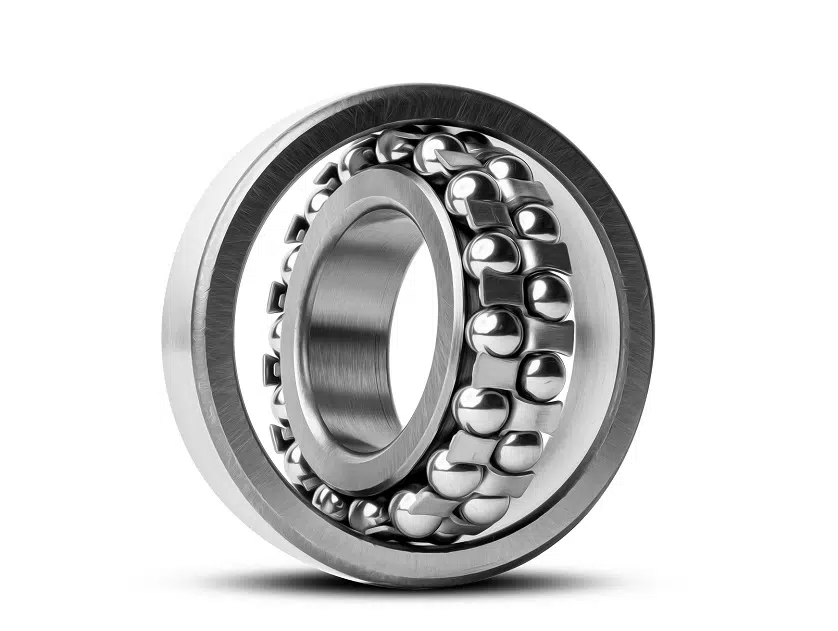
How do self-aligning bearings enhance the overall efficiency and functionality of machinery and equipment?
Self-aligning bearings play a crucial role in enhancing the overall efficiency and functionality of machinery and equipment. Here’s a detailed explanation:
- Compensation for Misalignment:
One of the key benefits of self-aligning bearings is their ability to compensate for misalignment between the shaft and the housing. Misalignment can occur due to various factors such as shaft deflection, thermal expansion, or mounting errors. Self-aligning bearings have the capability to accommodate angular misalignment, axial displacement, and shaft deflection, ensuring smooth operation even in challenging conditions. By accommodating misalignment, self-aligning bearings minimize stress and wear on other components, reducing the risk of premature failure and improving overall machinery efficiency.
- Reduced Friction and Energy Consumption:
Self-aligning bearings are designed to operate with low friction, which helps to reduce energy consumption within the machinery or equipment. The rolling elements and raceways of self-aligning bearings are precisely engineered to minimize contact friction. This reduced friction results in lower power losses, allowing the machinery to operate more efficiently and potentially leading to energy savings.
- Increased Reliability and Service Life:
Self-aligning bearings contribute to the overall reliability and service life of machinery and equipment. By accommodating misalignment and reducing friction, they help to distribute loads evenly, minimize stress concentrations, and prevent premature wear and failures. This improved load distribution and reduced friction can extend the service life of other critical components, such as gears, shafts, and seals. Additionally, self-aligning bearings often feature robust designs and high-quality materials, further enhancing their durability and reliability in demanding operating conditions.
- Enhanced Performance in Challenging Environments:
Self-aligning bearings are well-suited for applications in challenging environments. They can withstand conditions such as high temperatures, extreme speeds, or contaminated operating conditions. The ability to accommodate misalignment and the use of specialized bearing materials and lubricants enable self-aligning bearings to maintain their performance and functionality in adverse conditions. This enhances the overall efficiency and reliability of machinery and equipment in industries such as mining, steel, paper, and food processing.
- Ease of Installation and Maintenance:
Self-aligning bearings are designed for ease of installation and maintenance. Their self-aligning capability simplifies the alignment process during installation, reducing the time and effort required. Additionally, self-aligning bearings often feature integrated seals or shields that help to protect against contamination and retain lubrication, resulting in reduced maintenance requirements. The ease of installation and maintenance of self-aligning bearings contributes to the overall efficiency of machinery and equipment by minimizing downtime and improving overall operational productivity.
Overall, self-aligning bearings enhance the efficiency and functionality of machinery and equipment by accommodating misalignment, reducing friction and energy consumption, increasing reliability and service life, performing well in challenging environments, and enabling easier installation and maintenance. By incorporating self-aligning bearings into their designs, engineers and equipment manufacturers can optimize performance, reduce downtime, and improve the overall efficiency of their machinery and equipment.
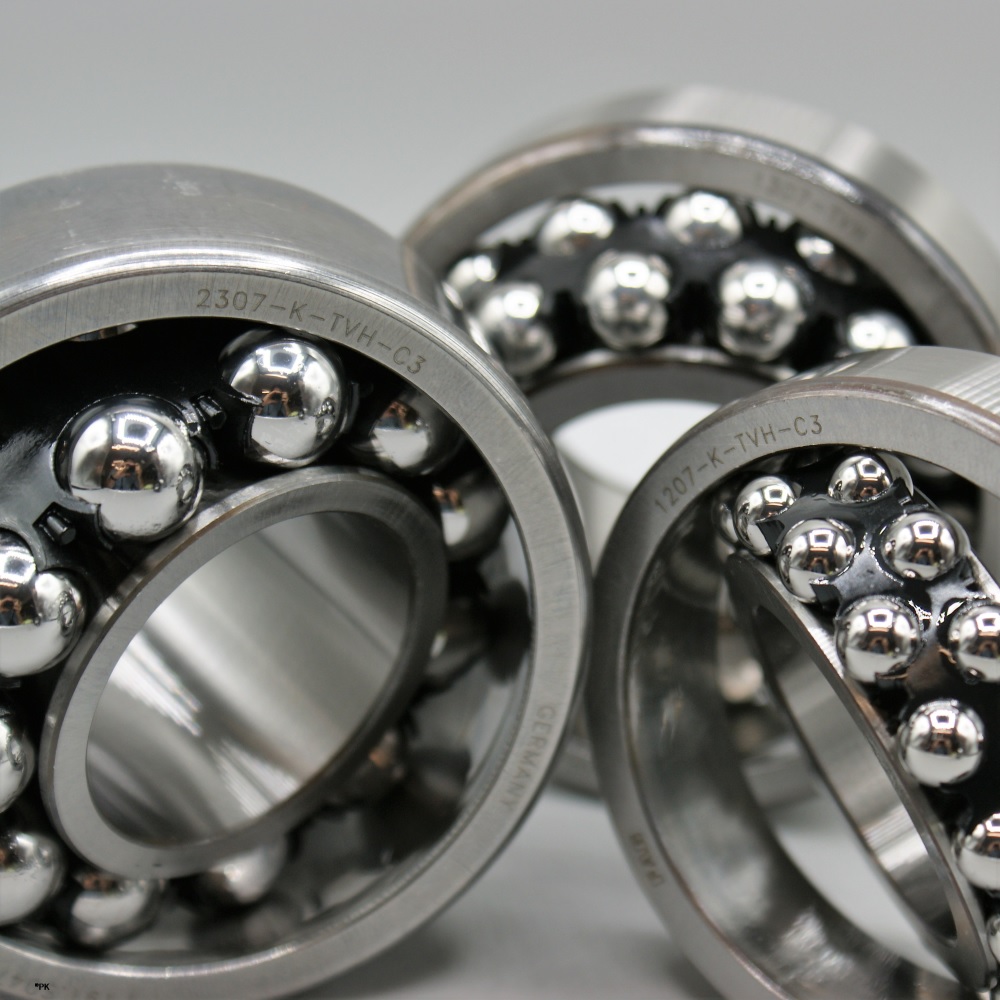
Are there specific industries or applications where self-aligning bearings are frequently used?
Self-aligning bearings find widespread use in various industries and applications where misalignment compensation, high load-carrying capacity, and reliability are crucial. Here’s a detailed description of some specific industries and applications where self-aligning bearings are frequently employed:
- Heavy Machinery and Equipment:
Self-aligning bearings are extensively used in heavy machinery and equipment, such as mining equipment, construction machinery, and material handling systems. These applications often involve high loads, dynamic forces, and operating conditions that can lead to misalignment. Self-aligning bearings help accommodate misalignment caused by factors like vibration, thermal expansion, and shaft deflection, ensuring smooth operation and prolonged service life of the machinery.
- Paper and Pulp Industry:
In the paper and pulp industry, self-aligning bearings are commonly employed in critical equipment like paper machines, pulp digesters, and drying cylinders. These applications involve high-speed rotating components and heavy loads. Self-aligning bearings can handle misalignment caused by temperature variations, mechanical stresses, and process fluctuations, maintaining the reliability and productivity of the machinery in this demanding industry.
- Steel and Metal Processing:
Self-aligning bearings are vital in steel and metal processing applications, including rolling mills, continuous casting machines, and metal shredders. These applications involve extreme loads, high temperatures, and harsh operating conditions. Self-aligning bearings help compensate for misalignment caused by thermal expansion, deflection, and heavy loads, ensuring the durability and performance of the equipment in this industry.
- Conveyor Systems:
Conveyor systems in industries such as mining, manufacturing, and logistics often rely on self-aligning bearings. These bearings accommodate misalignment caused by belt tension, shaft deflection, and uneven loading. Self-aligning bearings help ensure smooth and reliable operation of the conveyor systems, minimizing downtime and optimizing productivity.
- Printing and Packaging:
In printing and packaging applications, self-aligning bearings are commonly used in printing presses, packaging machines, and label applicators. These applications involve high-speed rotations, varying loads, and precise alignment requirements. Self-aligning bearings help compensate for misalignment caused by machine vibrations and thermal effects, ensuring accurate and efficient operation of the printing and packaging equipment.
- Automotive Industry:
The automotive industry extensively utilizes self-aligning bearings in various components and systems, including wheel hubs, transmission systems, and suspension systems. These applications encounter dynamic forces, varying loads, and misalignment due to road conditions and vehicle movements. Self-aligning bearings help absorb misalignment and maintain proper alignment between components, contributing to the safety, performance, and longevity of automotive vehicles.
These are just a few examples of industries and applications where self-aligning bearings are frequently used. Other sectors, such as agriculture, energy, marine, and aerospace, also rely on self-aligning bearings to ensure reliable and efficient operation of their equipment and machinery.
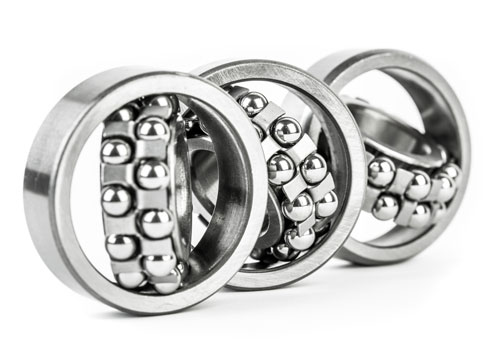
Can you explain the advantages and unique features of self-aligning bearings?
Self-aligning bearings offer several advantages and unique features that make them suitable for a wide range of applications. Here’s a detailed explanation of the advantages and unique features of self-aligning bearings:
- Misalignment Compensation:
One of the primary advantages of self-aligning bearings is their ability to accommodate misalignment between the shaft and the housing. This includes angular misalignment, axial misalignment, and shaft deflection. The self-aligning design allows the bearing to adjust its position and compensate for these misalignments, ensuring smooth operation and reducing stress on the bearing components.
- Reduced Friction and Wear:
Self-aligning bearings help reduce friction and wear in machinery. By accommodating misalignment, they distribute the load more evenly across the rolling elements and raceways, minimizing localized stresses. This results in lower friction, reduced wear, and longer bearing life. Additionally, the self-aligning capability helps prevent excessive heat generation, which can further contribute to reduced friction and wear.
- Shock and Vibration Absorption:
Self-aligning bearings have the unique ability to absorb shocks and vibrations that occur during operation. The spherical outer ring raceway allows the bearing to move and adjust its position, effectively dampening the impact of shocks and vibrations. This helps improve the overall stability of the machinery, reduces the transmission of vibrations, and protects other components from excessive forces.
- Easy Installation and Maintenance:
Self-aligning bearings are relatively easy to install and maintain. During installation, their self-aligning capability simplifies the alignment process, as slight misalignments can be accommodated. This saves time and effort in achieving precise alignment. Additionally, self-aligning bearings are typically designed for easy maintenance, allowing for straightforward tasks such as re-greasing or replacement without requiring complex disassembly.
- Wide Application Range:
Self-aligning bearings are versatile and find applications in various industries and machinery. They are commonly used in applications where misalignment is expected, such as in heavy machinery, conveyor systems, agricultural equipment, and mining operations. The ability to accommodate misalignment makes self-aligning bearings suitable for challenging environments and dynamic operating conditions.
- Cost-Effective Solution:
Self-aligning bearings offer a cost-effective solution in many applications. Their ability to compensate for misalignment helps prevent premature failure and reduces the need for frequent maintenance or realignment. This can result in cost savings by extending the bearing’s service life, improving overall machinery reliability, and reducing downtime for repairs or replacements.
In summary, self-aligning bearings provide advantages such as misalignment compensation, reduced friction and wear, shock and vibration absorption, easy installation and maintenance, wide application range, and cost-effectiveness. These unique features make them a valuable choice for various industries and applications where misalignment and dynamic operating conditions are present.


editor by CX 2024-02-26