Product Description
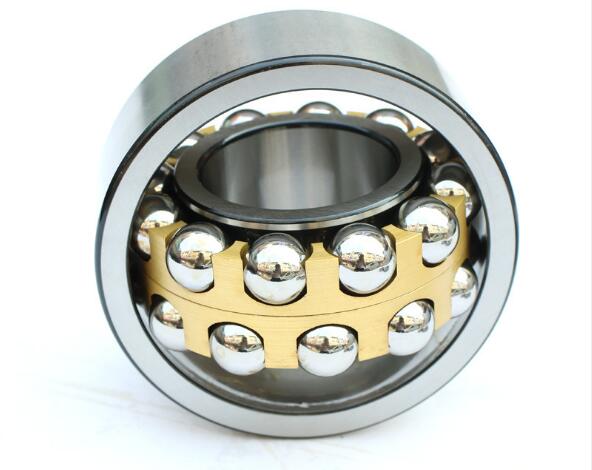
OEM 12 Series 1200 Self-aligning Ball Bearings
|
Product Name |
OEM 12 Series 1200 Self-aligning Ball Bearings |
|
Brand |
TFN / SEMRI / OEM |
|
Model Number |
1200 |
|
Dimension |
10x30x9mm |
|
Ring Material |
Chrome Steel |
|
Cage Material |
Brass,Nylon,Steel |
|
Precision |
P0, P6, P5, or as requested |
|
Vibration |
ZV1, ZV2, ZV3, or as requested |
|
Clearance |
C0,C2,C3, or as requested |
|
Type |
12 series,12k series,22series,22k series,13 series,13k series,23 series,23k series |
|
Features |
Accommodate static and dynamic misalignment ,Excellent high-speed performance ,Minimum maintenance ,Low friction ,Excellent light load performance ,Low noise. |
|
Quality standard |
ISO9001:2000/ SGS |
|
Quality Control Process |
1.Assembly |
|
2.Windage test |
|
|
3.Cleaning |
|
|
4.Rotary test |
|
|
5.Greasing and gland |
|
|
6.Noise inspection |
|
|
7.Appearance inspection |
|
|
8.Rust prevention |
|
|
9.Product packaging |
|
|
Application |
Self-aligning Ball Bearings Main applications: paper making machinery, speed reducer, railway rolling stock axle, gear box bearing seat of steel rolling mill, roller, crusher, vibrating screen, printing machinery, woodworking machinery, various industrial reducer, vertical belt centering bearing. |
Other Self-aligning ball bearings models :
| Bearing Number | Boundary dimensions(mm) | Basic load ratings(kN) | Limiting speeds(rpm) | Mass(Kg) | |||||
| d | D | B | rs min | Cr | Cor | Grease | Oil | (Approx.) | |
| 1215 | 75 | 130 | 25 | 1.5 | 39 | 15.7 | 3,900 | 4,600 | 1.33 |
| 1216 | 80 | 140 | 26 | 2 | 40 | 17 | 3,700 | 4,300 | 1.65 |
| 1217 | 85 | 150 | 28 | 2 | 49 | 20.8 | 3,500 | 4,100 | 2.06 |
| 1218 | 90 | 160 | 30 | 2 | 57 | 23.5 | 3,300 | 3,800 | 2.51 |
| 1219 | 95 | 170 | 32 | 2.1 | 64 | 27.1 | 3,100 | 3,600 | 3.1 |
| 1220 | 100 | 180 | 34 | 2.1 | 69 | 29.7 | 2,900 | 3,400 | 3.7 |
| 1221 | 105 | 190 | 36 | 2.1 | 74.5 | 32.5 | 2,800 | 3,300 | 4.34 |
| 1222 | 110 | 200 | 38 | 2.1 | 80.5 | 35.5 | 2,600 | 3,100 | 5.15 |
| 1204K | 20 | 47 | 14 | 1 | 9.9 | 2.61 | 13,000 | 15,000 | 0.114 |
| 1205K | 25 | 52 | 15 | 1 | 12.1 | 3.3 | 11,000 | 13,000 | 0.135 |
| 1206K | 30 | 62 | 16 | 1 | 15.6 | 4.65 | 9,200 | 11,000 | 0.213 |
| 1207K | 35 | 72 | 17 | 1.1 | 15.8 | 5.1 | 8,000 | 9,400 | 0.312 |
| 1208K | 40 | 80 | 18 | 1.1 | 19.3 | 6.55 | 7,100 | 8,400 | 0.407 |
| 1209K | 45 | 85 | 19 | 1.1 | 21.9 | 7.35 | 6,400 | 7,500 | 0.448 |
| 1210K | 50 | 90 | 20 | 1.1 | 22.7 | 8.1 | 5,800 | 6,800 | 0.504 |
| 1211K | 55 | 100 | 21 | 1.5 | 26.8 | 10 | 5,300 | 6,200 | 0.679 |
| 1212K | 60 | 110 | 22 | 1.5 | 30 | 11.5 | 4,900 | 5,800 | 0.864 |
| 2211 | 55 | 100 | 25 | 1.5 | 26.5 | 9.9 | 5,000 | 5,800 | 0.787 |
| 2212 | 60 | 110 | 28 | 1.5 | 34 | 12.6 | 4,600 | 5,400 | 1.08 |
| 2213 | 65 | 120 | 31 | 1.5 | 43.5 | 16.4 | 4,200 | 5,000 | 1.44 |
| 2214 | 70 | 125 | 31 | 1.5 | 44 | 17.1 | 3,900 | 4,600 | 1.52 |
| 2215 | 75 | 130 | 31 | 1.5 | 44.5 | 17.8 | 3,700 | 4,300 | 1.58 |
| 2216 | 80 | 140 | 33 | 2 | 48.5 | 19.9 | 3,400 | 4,000 | 1.99 |
| 2217 | 85 | 150 | 36 | 2 | 58 | 23.6 | 3,200 | 3,800 | 2.54 |
| 2218 | 90 | 160 | 40 | 2 | 70 | 28.7 | 3,100 | 3,600 | 3.19 |
| 2219 | 95 | 170 | 43 | 2.1 | 83.5 | 34.5 | 2,900 | 3,400 | 3.89 |
| 2220 | 100 | 180 | 46 | 2.1 | 94 | 38.5 | 2,700 | 3,200 | 4.65 |
| 2221 | 105 | 190 | 50 | 2.1 | 109 | 45 | 2,600 | 3,100 | 6.07 |
| 2222 | 110 | 200 | 53 | 2.1 | 124 | 51.5 | 2,500 | 2,900 | 7.1 |
| 2204K | 20 | 47 | 18 | 1 | 12.6 | 3.3 | 12,000 | 14,000 | 0.137 |
| 2205K | 25 | 52 | 18 | 1 | 12.3 | 3.45 | 10,000 | 12,000 | 0.153 |
| 2206K | 30 | 62 | 20 | 1 | 15.2 | 4.5 | 8,600 | 10,000 | 0.25 |
| 2207K | 35 | 72 | 23 | 1.1 | 21.5 | 6.6 | 7,500 | 8,800 | 0.382 |
| 2208K | 40 | 80 | 23 | 1.1 | 22.3 | 7.35 | 6,700 | 7,900 | 0.482 |
| 2209K | 45 | 85 | 23 | 1.1 | 23.2 | 8.15 | 6,000 | 7,100 | 0.528 |
| 2210K | 50 | 90 | 23 | 1.1 | 23.2 | 8.45 | 5,500 | 6,400 | 0.569 |
| 2211K | 55 | 100 | 25 | 1.5 | 26.5 | 9.9 | 5,000 | 5,800 | 0.769 |
| 2212K | 60 | 110 | 28 | 1.5 | 34 | 12.6 | 4,600 | 5,400 | 1.06 |
| 2213K | 65 | 120 | 31 | 1.5 | 43.5 | 16.4 | 4,200 | 5,000 | 1.41 |
| 1315 | 75 | 160 | 37 | 2.1 | 79.5 | 30 | 3,300 | 3,900 | 3.55 |
| 1316 | 80 | 170 | 39 | 2.1 | 88.5 | 33 | 3,100 | 3,600 | 4.17 |
| 1317 | 85 | 180 | 41 | 3 | 97.5 | 38 | 2,900 | 3,400 | 4.96 |
| 1318 | 90 | 190 | 43 | 3 | 116 | 44.5 | 2,700 | 3,200 | 5.78 |
| 1319 | 95 | 200 | 45 | 3 | 132 | 51 | 2,600 | 3,000 | 6.69 |
| 1320 | 100 | 215 | 47 | 3 | 143 | 57.5 | 2,400 | 2,900 | 8.3 |
| 1321 | 105 | 225 | 49 | 3 | 156 | 64.5 | 2,300 | 2,700 | 10 |
| 1322 | 110 | 240 | 50 | 3 | 164 | 71.5 | 2,200 | 2,600 | 11.8 |
| 1304K | 20 | 52 | 15 | 1.1 | 12.4 | 3.35 | 11,000 | 13,000 | 0.158 |
| 1305K | 25 | 62 | 17 | 1.1 | 18 | 5 | 9,100 | 11,000 | 0.251 |
| 1306K | 30 | 72 | 19 | 1.1 | 21.3 | 6.3 | 7,700 | 9,100 | 0.377 |
| 1307K | 35 | 80 | 21 | 1.5 | 25.1 | 7.85 | 6,800 | 8,000 | 0.492 |
| 1308K | 40 | 90 | 23 | 1.5 | 29.6 | 9.7 | 6,000 | 7,000 | 0.698 |
| 1309K | 45 | 100 | 25 | 1.5 | 38 | 12.7 | 5,400 | 6,300 | 0.938 |
| 1310K | 50 | 110 | 27 | 2 | 43.5 | 14.1 | 4,900 | 5,800 | 1.18 |
| 1311K | 55 | 120 | 29 | 2 | 51.5 | 17.9 | 4,500 | 5,200 | 1.56 |
| 1312K | 60 | 130 | 31 | 2.1 | 57 | 20.8 | 4,100 | 4,800 | 1.93 |
| 1313K | 65 | 140 | 33 | 2.1 | 62 | 22.9 | 3,800 | 4,500 | 2.38 |
| 1315K | 75 | 160 | 37 | 2.1 | 79.5 | 30 | 3,300 | 3,900 | 3.5 |
| 1316K | 80 | 170 | 39 | 2.1 | 88.5 | 33 | 3,100 | 3,600 | 4.11 |
| 2312 | 60 | 130 | 46 | 2.1 | 87 | 28.2 | 3,800 | 4,500 | 2.59 |
| 2313 | 65 | 140 | 48 | 2.1 | 96 | 32.5 | 3,600 | 4,200 | 3.2 |
| 2314 | 70 | 150 | 51 | 2.1 | 109 | 37.5 | 3,300 | 3,900 | 3.92 |
| 2315 | 75 | 160 | 55 | 2.1 | 123 | 43 | 3,100 | 3,600 | 4.78 |
| 2316 | 80 | 170 | 58 | 2.1 | 128 | 45 | 2,900 | 3,400 | 5.65 |
| 2317 | 85 | 180 | 60 | 3 | 140 | 51.5 | 2,700 | 3,200 | 6.55 |
| 2318 | 90 | 190 | 64 | 3 | 152 | 57.5 | 2,600 | 3,000 | 7.75 |
| 2319 | 95 | 200 | 67 | 3 | 165 | 64.5 | 2,400 | 2,800 | 9.05 |
| 2320 | 100 | 215 | 73 | 3 | 192 | 79 | 2,300 | 2,700 | 11.5 |
| 2321 | 105 | 225 | 77 | 3 | 205 | 87 | 2,200 | 2,600 | 13.2 |
| 2322 | 110 | 240 | 80 | 3 | 217 | 94.5 | 2,100 | 2,400 | 15.8 |
| 2304K | 20 | 52 | 21 | 1.1 | 18.1 | 4.7 | 10,000 | 12,000 | 0.201 |
| 2305K | 25 | 62 | 24 | 1.1 | 24.4 | 6.6 | 8,500 | 10,000 | 0.326 |
| 2306K | 30 | 72 | 27 | 1.1 | 31.5 | 8.75 | 7,200 | 8,500 | 0.485 |
| 2307K | 35 | 80 | 31 | 1.5 | 39.5 | 11.3 | 6,300 | 7,400 | 0.653 |
| 2308K | 40 | 90 | 33 | 1.5 | 45 | 13.5 | 5,600 | 6,600 | 0.895 |
| 2309K | 45 | 100 | 36 | 1.5 | 54 | 16.7 | 5,000 | 5,900 | 1.2 |
| 2310K | 50 | 110 | 40 | 2 | 64.5 | 20.2 | 4,600 | 5,400 | 1.59 |
| 2311K | 55 | 120 | 43 | 2 | 75.5 | 24 | 4,200 | 4,900 | 2.05 |
| 2312K | 60 | 130 | 46 | 2.1 | 87 | 28.2 | 3,800 | 4,500 | 2.52 |
| 2313K | 65 | 140 | 48 | 2.1 | 96 | 32.5 | 3,600 | 4,200 | 3.12 |
| 2315K | 75 | 160 | 55 | 2.1 | 123 | 43 | 3,100 | 3,600 | 4.66 |
| 2316K | 80 | 170 | 58 | 2.1 | 128 | 45 | 2,900 | 3,400 | 5.5 |
Certificate
Packing
FAQ
Q:Why choose us?
A:1. We are professional,have factory in ZheJiang for many years.
2. We are experienced for 10 years.
3. We can offer a various kind of bearing with high quality:Z1V1,Z2V2,Z3V3 and best price
Q:How is the quality of your products?
A:The same quality, we have lower price.The same price,we have better quality.
Q:Except self-aligning ball bearing,what other main bearing do you have?
A:Cylindrical roller bearing,Taper Roller Bearing,Thrust roller bearing,Spherical roller bearing,Deep groove ball bearing,Angular contact ball bearing etc.
Q:Can I get 1200 self-aligning ball bearing free samples?
A:We will charge a little sample fee for our regular designs or customized ones, These charges will be refunded to you when your mass production order is confirmed.
Q:Can you make the products as our requirement?
A:We have more than 10years’ OEM experience. We supply products fo more than 300 automobile parts factories.
/* January 22, 2571 19:08:37 */!function(){function s(e,r){var a,o={};try{e&&e.split(“,”).forEach(function(e,t){e&&(a=e.match(/(.*?):(.*)$/))&&1
| Product Name: | 2206 Self-Aligning Ball Bearing Gear Box Bearing |
|---|---|
| Width: | 9mm |
| Bore Diameter: | 10mm |
| Samples: |
US$ 0.1/Piece
1 Piece(Min.Order) | Order Sample |
|---|
| Customization: |
Available
| Customized Request |
|---|
.shipping-cost-tm .tm-status-off{background: none;padding:0;color: #1470cc}
| Shipping Cost:
Estimated freight per unit. |
about shipping cost and estimated delivery time. |
|---|
| Payment Method: |
|
|---|---|
|
Initial Payment Full Payment |
| Currency: | US$ |
|---|
| Return&refunds: | You can apply for a refund up to 30 days after receipt of the products. |
|---|
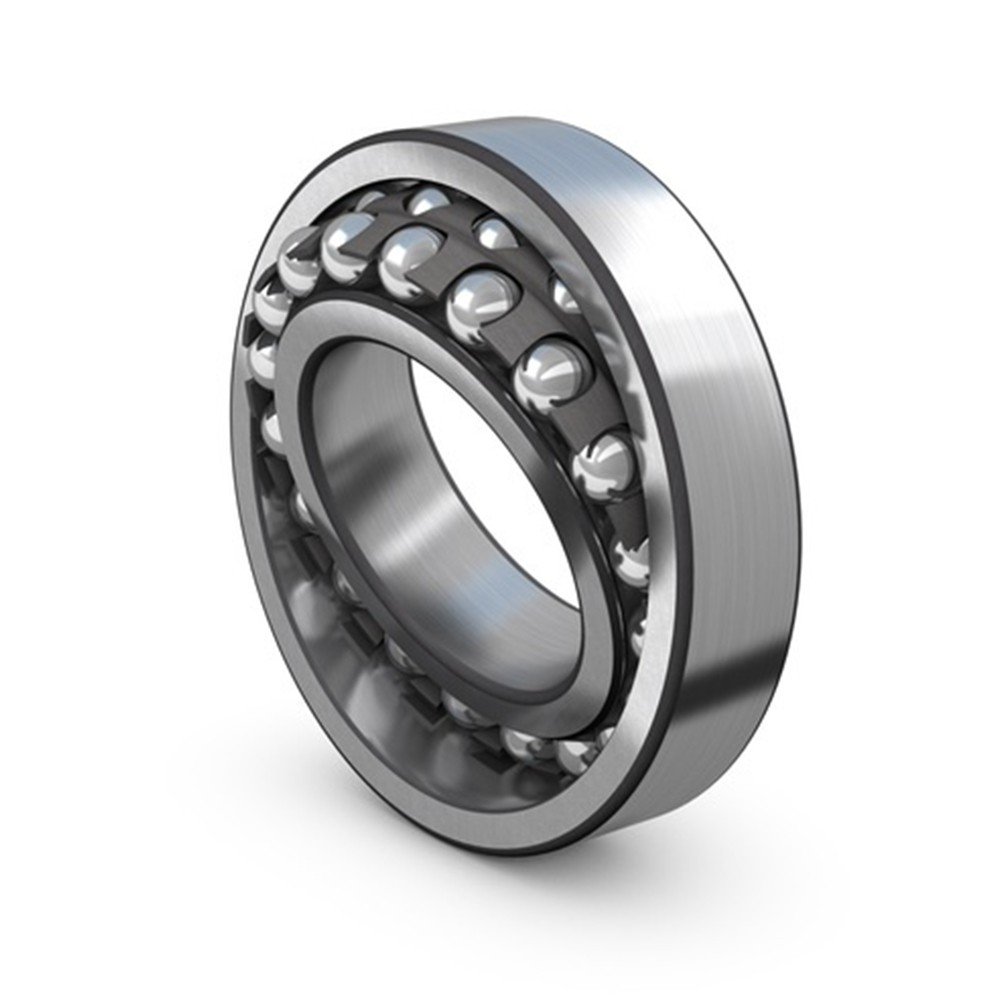
How do innovations and advancements in self-aligning bearing technology impact their use?
Advancements and innovations in self-aligning bearing technology have a significant impact on their use in various industries. Here’s a detailed explanation:
- Improved Performance:
Innovations in self-aligning bearing technology often result in improved performance characteristics. These advancements can include:
- Load Capacity: New bearing designs and materials can enhance the load-carrying capacity of self-aligning bearings, allowing them to withstand higher loads or operate under more demanding conditions.
- Speed Capability: Advancements in bearing manufacturing techniques and materials can increase the maximum rotational speed at which self-aligning bearings can operate effectively, enabling their use in high-speed applications.
- Friction Reduction: Innovations in bearing design, lubrication, and surface treatments contribute to reducing friction and energy losses, resulting in improved efficiency and reduced operating costs.
- Sealing and Contamination Resistance: New sealing technologies and materials can enhance the sealing performance of self-aligning bearings, providing better protection against contaminants, moisture, and harsh environmental conditions.
- Temperature and Corrosion Resistance: Advances in bearing materials and coatings enable self-aligning bearings to withstand extreme temperatures, aggressive chemicals, and corrosive environments, expanding their range of applications.
- Extended Service Life:
Innovations in self-aligning bearing technology often result in improved durability and longevity. These advancements can include:
- Materials: The development of new bearing materials, such as advanced steels, ceramics, or composites, can significantly enhance the bearing’s resistance to wear, fatigue, and surface damage, leading to extended service life.
- Lubrication: Advancements in lubrication technologies, such as the use of solid lubricants or advanced grease formulations, can provide better film formation, reduce friction, and minimize wear, thereby increasing the bearing’s operating life.
- Surface Treatments: Innovative surface treatments, such as coatings or finishes, can improve the bearing’s resistance to corrosion, wear, and fretting, contributing to longer service intervals and reduced maintenance requirements.
- Condition Monitoring: The integration of sensor technologies and data analytics in self-aligning bearings enables real-time monitoring of operating conditions, allowing for proactive maintenance and early detection of potential failures, thus maximizing the bearing’s service life.
- Application Expansion:
Advancements in self-aligning bearing technology often lead to an expansion of their application range. These advancements can include:
- New Industries: Innovations in self-aligning bearing technology can enable their use in industries or applications where they were previously not feasible. This opens up opportunities in emerging sectors, such as renewable energy, electric vehicles, robotics, or medical devices.
- Challenging Environments: Improved performance characteristics, such as enhanced sealing, temperature resistance, or contamination resistance, allow self-aligning bearings to be deployed in challenging environments, including offshore installations, high-temperature processes, or chemically aggressive applications.
- Specialized Applications: Advancements in self-aligning bearing technology can lead to the development of specialized bearing variants tailored for specific applications, such as high-speed machining, precision equipment, or demanding industrial automation systems.
Overall, innovations and advancements in self-aligning bearing technology bring about enhanced performance, extended service life, and expanded application possibilities. These advancements drive improvements in industrial productivity, reliability, and efficiency, making self-aligning bearings a valuable component in a wide range of industries and applications.
What is the impact of proper lubrication and maintenance on the performance and lifespan of self-aligning bearings?
Proper lubrication and maintenance have a significant impact on the performance and lifespan of self-aligning bearings. Here’s a detailed explanation of their importance:
- Lubrication:
Proper lubrication is crucial for self-aligning bearings as it provides a protective film between the rolling elements and raceways, reducing friction and wear. Here are the key impacts of proper lubrication:
- Reduced Friction and Wear: Adequate lubrication helps minimize friction and wear between the rolling elements and raceways. This reduces heat generation, prevents excessive wear, and extends the bearing’s lifespan.
- Optimized Load Distribution: Proper lubrication ensures that the load is distributed evenly across the bearing components. This helps prevent localized stresses and improves the overall load-carrying capacity of the bearing.
- Corrosion and Contamination Protection: Lubrication forms a protective barrier that helps prevent corrosion and protects the bearing against contaminants such as dust, dirt, and moisture. This enhances the bearing’s resistance to damage and maintains its performance in challenging environments.
- Noise and Vibration Reduction: Properly lubricated bearings exhibit reduced noise and vibration levels, contributing to smoother and quieter operation of the machinery.
- Maintenance:
Regular maintenance practices are essential for ensuring the optimal performance and lifespan of self-aligning bearings. Here are the key impacts of proper maintenance:
- Early Detection of Issues: Regular inspections and maintenance activities enable the early detection of potential problems such as misalignment, excessive wear, or lubrication issues. Timely identification of these issues allows for proactive measures to be taken, preventing further damage and minimizing downtime.
- Preservation of Alignment: Proper maintenance helps ensure the correct alignment of the bearing with its mating components. This is particularly important for self-aligning bearings, as misalignment beyond their specified limits can lead to decreased performance and premature failure.
- Lubrication Monitoring: Maintenance involves monitoring the lubrication condition, including oil or grease quality, contamination levels, and replenishment requirements. Regular lubrication checks and replenishment help maintain the optimal lubricating film and extend the bearing’s service life.
- Cleaning and Debris Removal: Maintenance activities include cleaning the bearing and its surrounding areas, removing accumulated debris, and ensuring proper sealing. This helps prevent contamination and ensures the smooth operation of the bearing.
- Replacement of Worn Components: Through maintenance, worn or damaged components can be identified and replaced, preventing further damage and maintaining the bearing’s performance. This can include replacing seals, cages, or damaged rolling elements.
Proper lubrication and maintenance practices are essential for maximizing the performance and lifespan of self-aligning bearings. They help reduce friction, prevent excessive wear, protect against corrosion and contaminants, preserve alignment, and enable early detection of potential issues. Adhering to manufacturer recommendations and industry best practices for lubrication and maintenance ensures the reliable and efficient operation of machinery and extends the service life of self-aligning bearings.
How do self-aligning bearings differ from fixed or non-self-aligning bearings?
Self-aligning bearings differ from fixed or non-self-aligning bearings in several ways. Here’s a detailed explanation of the differences between these types of bearings:
- Design and Construction:
The design and construction of self-aligning bearings are distinct from fixed or non-self-aligning bearings. Self-aligning bearings have a spherical outer ring raceway, which allows for misalignment compensation. In contrast, fixed or non-self-aligning bearings typically have a cylindrical or tapered outer ring raceway, designed for precise alignment between the shaft and the housing.
- Misalignment Compensation:
The primary difference between self-aligning bearings and fixed or non-self-aligning bearings is their ability to compensate for misalignment. Self-aligning bearings can accommodate angular misalignment, axial misalignment, and shaft deflection, whereas fixed or non-self-aligning bearings have limited tolerance for misalignment and require precise alignment during installation.
- Load Distribution:
Self-aligning bearings distribute the load more evenly across the rolling elements and raceways, thanks to their ability to accommodate misalignment. This helps reduce localized stresses and minimize the risk of premature failure. Fixed or non-self-aligning bearings, without the ability to compensate for misalignment, may experience uneven loading and increased stress on specific areas, leading to accelerated wear and potential failure.
- Friction and Wear:
Due to their misalignment compensation capability, self-aligning bearings help reduce friction and wear. Misalignment in fixed or non-self-aligning bearings can cause increased friction and localized wear, leading to reduced bearing life. Self-aligning bearings distribute the load more evenly, minimizing friction and wear on the rolling elements and raceways, resulting in improved reliability and longevity.
- Application Range:
The different design and misalignment compensation capability of self-aligning bearings make them suitable for a broader range of applications compared to fixed or non-self-aligning bearings. Self-aligning bearings are commonly used in applications where misalignment is expected, such as heavy machinery, conveyor systems, and mining equipment. Fixed or non-self-aligning bearings are typically employed in applications that require precise alignment, such as machine tools or high-precision equipment.
- Installation and Maintenance:
Self-aligning bearings offer easier installation and maintenance compared to fixed or non-self-aligning bearings. The self-aligning capability of these bearings allows for more flexibility during the installation process, accommodating slight misalignments. In contrast, fixed or non-self-aligning bearings require careful alignment procedures to ensure proper functioning. Additionally, self-aligning bearings are often designed for easier maintenance, enabling tasks such as re-greasing or replacement without extensive disassembly.
In summary, self-aligning bearings differ from fixed or non-self-aligning bearings in their design, misalignment compensation capability, load distribution, friction and wear characteristics, application range, and ease of installation and maintenance. These differences make self-aligning bearings particularly suitable for applications where misalignment is expected or dynamic operating conditions are present.


editor by CX 2024-02-29