Product Description
Ball Bearings and Applications
Ball Bearings
- Deep Groove Ball Bearing
- Angular Contact Ball Bearing
- Self-Aligning Ball Bearing
- Thrust Ball Bearing
Applications
- Electric motors
- Industrial pumps and drive cars
- Elevators
- Pulp and paper industry
- Conveyor systems
- Industrial gearboxed
- Agriculture industry
- Trucks, trailers and buses
- Steering applications
Specification of Self-Aligning Ball Bearing
| 2200 – 2300 Series | |||||||||||||
| Bearing No. | dxDxB (mm) | Weight(kg) | Bearing No. | dxDxB (mm) | Weight(kg) | ||||||||
| 2200 | 2200 2RS | 10 | 30 | 14 | 0.042 | ||||||||
| 2201 | 12 | 32 | 14 | 0.048 | 2301 | 12 | 37 | 17 | 0.082 | ||||
| 2202 | 2202 2RS | 15 | 35 | 14 | 0.060 | 2302 | 2302 2RS | 15 | 42 | 17 | 0.110 | ||
| 2203 | 2203 2RS | 17 | 40 | 16 | 0.088 | 2303 | 2303 2RS | 17 | 47 | 19 | 0.160 | ||
| 2204 | 2204 2RS | 20 | 47 | 18 | 0.140 | 2304 | 2304 K | 2304 2RS | 20 | 52 | 21 | 0.210 | |
| 2205 | 2205 K | 2205 2RS | 25 | 52 | 18 | 0.160 | 2305 | 2305 K | 2305 2RS | 25 | 62 | 24 | 0.340 |
| 2206 | 2206 K | 2206 2RS | 30 | 62 | 20 | 0.260 | 2306 | 2306 K | 2306 2RS | 30 | 72 | 27 | 0.500 |
| 2207 | 2207 K | 2207 2RS | 35 | 72 | 23 | 0.400 | 2307 | 2307 K | 2307 2RS | 35 | 80 | 31 | 0.680 |
| 2208 | 2208 K | 2208 2RS | 40 | 80 | 23 | 0.510 | 2308 | 2308 K | 2308 2RS | 40 | 90 | 33 | 0.930 |
| 2209 | 2209 K | 2209 2RS | 45 | 85 | 23 | 0.550 | 2309 | 2309 K | 2309 2RS | 45 | 100 | 36 | 1.250 |
| 2210 | 2210 K | 2210 2RS | 50 | 90 | 23 | 0.600 | 2310 | 2310 K | 2310 2RS | 50 | 110 | 40 | 1.650 |
| 2211 | 2211 K | 2211 2RS | 55 | 100 | 25 | 0.810 | 2311 | 2311 K | 2311 2RS | 55 | 120 | 43 | 2.100 |
| 2212 | 2212 K | 2212 2RS | 60 | 110 | 28 | 1.100 | 2312 | 2312 K | 2312 2RS | 60 | 130 | 46 | 2.600 |
| 2213 | 2213 K | 2213 2RS | 65 | 120 | 31 | 1.450 | 2313 | 2313 K | 2313 2RS | 65 | 140 | 48 | 3.250 |
| 2214 | 2214 K | 2214 2RS | 70 | 125 | 31 | 1.500 | 2314 | 2314 K | 70 | 150 | 51 | 3.900 | |
| 2215 | 2215 K | 75 | 130 | 31 | 1.600 | 2315 | 2315 K | 75 | 160 | 55 | 4.700 | ||
| 2216 | 2216 K | 80 | 140 | 33 | 2.000 | 2316 | 2316 K | 80 | 170 | 58 | 6.100 | ||
| 2217 | 2217 K | 85 | 150 | 36 | 2.500 | 2317 | 2317 K | 85 | 180 | 60 | 7.050 | ||
| 2218 | 2218 K | 90 | 160 | 40 | 3.400 | 2318 | 2318 K | 90 | 190 | 64 | 8.450 | ||
| 2219 | 2219 K | 95 | 170 | 43 | 4.100 | 2319 | 2319 K | 95 | 200 | 67 | 9.800 | ||
| 2220 | 2220 K | 100 | 180 | 46 | 5.000 | 2320 | 2320 K | 100 | 215 | 73 | 12.500 | ||
| 2221 | 2221 K | 105 | 190 | 50 | 5.640 | 2322 | 2322 K | 110 | 240 | 80 | 17.50 | ||
| 2222 | 2222 K | 110 | 200 | 53 | 7.100 | ||||||||
Manufacturing processes
Granville, as a manufacturer of high-quality products, guarantees compliance with the highest standards relative to the use of the best steel quality in the production process, the highest standards in the design of contact surfaces, as well as the most efficient packing and lubrication of parts.
From material coming, quality control through all processes except internal test, goods to third party inspection if required. After the center of inspection and experiment is founded, effective methods of inspecting all kinds of row materials are mastered and then the reliability of bearings is ensured.
One of our main objectives is the continued improvement in the quality of our products and processes, in pursuit of which we obtained ISO certification 9001:2008 and TS16949.
Quality Control
- Heat Treatment
- Centerless Grinding Machine 11200
- Automatic Production Lines for Raceway
- Ultrasonic Cleaning of Rings
- Automatic Assembly
- Ultrasonic Cleaning of Bearings
- Automatic Greasing, Seals Pressing
- Measurement of Bearing Vibration
- Laser Marking
- Automatic Packing
Company Profile
Granville group start in London and in order to adapt to the international market situation and enterprise development, Granville gradually oriented to global markets through resource integration, the Granville’s businesses are present across 5 continents. We operate in 4 industry clusters: Components for Industry and automotive; Machine tools and mechatronics; Energy and New Materials, and Healthcare.
Comprehensive product range:
— Bearings
— Oil seals, Transmission belt
— Chain and Sprocket
— Hub assembly & Wheel bearings
— Coupling, castings
— Linear motion
Values
— Behavior-based, service-oriented, focused on results and committed to continuous improvement
Focus
— supply chain management and customer service
Advantages
1. Advanced Automatic Lines
2. Comprehensive Range
3. Premium Quality
4. Sustainability /* January 22, 2571 19:08:37 */!function(){function s(e,r){var a,o={};try{e&&e.split(“,”).forEach(function(e,t){e&&(a=e.match(/(.*?):(.*)$/))&&1
| Aligning: | Aligning Bearing |
|---|---|
| Separated: | Unseparated |
| Rows Number: | Double |
| Samples: |
US$ 0/Piece
1 Piece(Min.Order) | Order Sample |
|---|
| Customization: |
Available
| Customized Request |
|---|
.shipping-cost-tm .tm-status-off{background: none;padding:0;color: #1470cc}
|
Shipping Cost:
Estimated freight per unit. |
about shipping cost and estimated delivery time. |
|---|
| Payment Method: |
|
|---|---|
|
Initial Payment Full Payment |
| Currency: | US$ |
|---|
| Return&refunds: | You can apply for a refund up to 30 days after receipt of the products. |
|---|
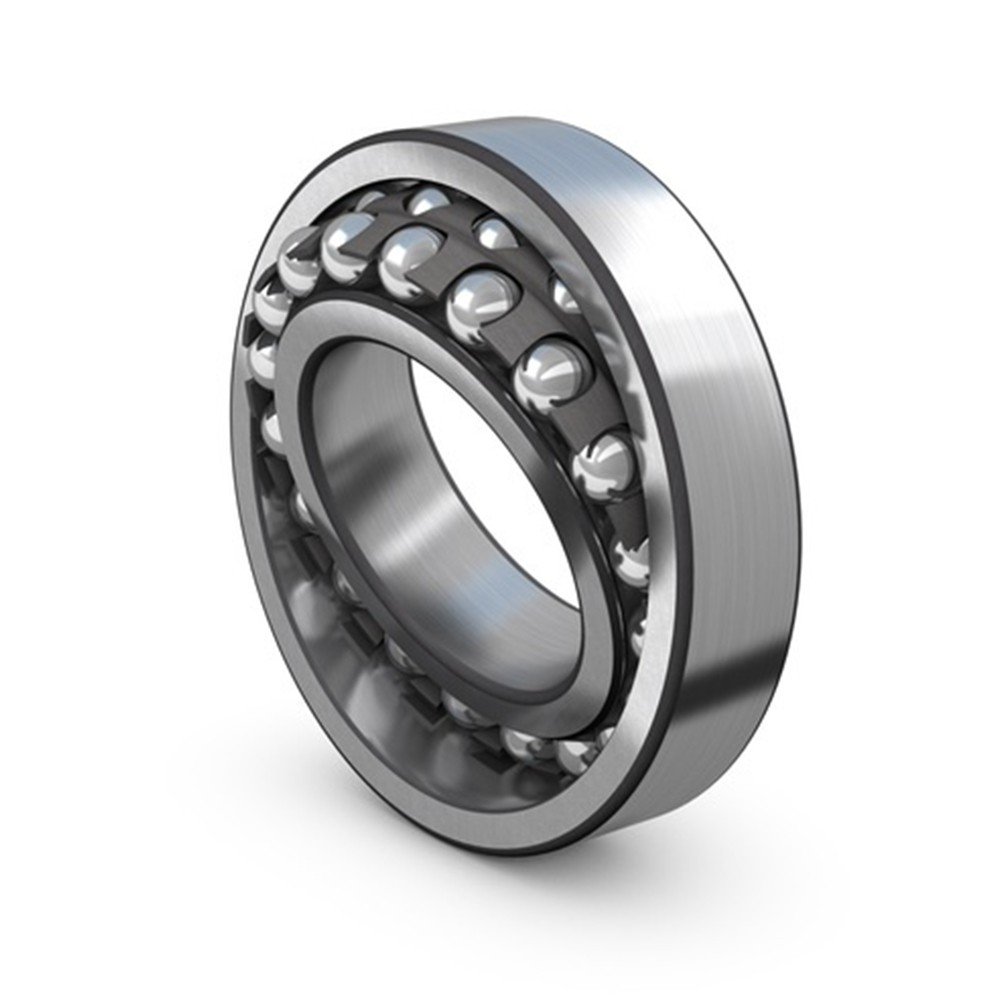
Are there specific considerations for choosing self-aligning bearings in applications with challenging operating conditions or varying misalignment requirements?
Yes, there are specific considerations to take into account when choosing self-aligning bearings for applications with challenging operating conditions or varying misalignment requirements. Here’s a detailed explanation:
- Operating Conditions:
When selecting self-aligning bearings for challenging operating conditions, it’s important to consider factors such as temperature, speed, load, and environmental conditions. High temperatures, extreme speeds, heavy loads, and harsh environments can all impact the performance and durability of the bearing. In such cases, it may be necessary to choose self-aligning bearings with special heat-resistant materials, high-speed capabilities, increased load-carrying capacity, or enhanced corrosion resistance. Additionally, proper lubrication selection and maintenance practices become crucial to ensure optimal performance and longevity of the bearings.
- Misalignment Requirements:
Self-aligning bearings are specifically designed to accommodate misalignment between the shaft and the housing. However, different applications may have varying misalignment requirements. It’s important to consider the magnitude and type of misalignment that the bearing will experience. Some self-aligning bearings can accommodate larger misalignments, while others are designed for smaller or specific types of misalignments, such as angular or parallel misalignment. Understanding the misalignment characteristics of the application is essential to select the appropriate self-aligning bearings that can effectively handle the expected misalignment conditions.
- Load Capacity and Dynamic Performance:
In applications with challenging operating conditions, it’s crucial to assess the load capacity and dynamic performance requirements of the self-aligning bearings. Heavy loads, shock loads, or vibrations can significantly affect the bearing’s performance and service life. It’s important to choose self-aligning bearings with adequate load-carrying capacity, high shock resistance, and robust construction to withstand the demanding conditions. Additionally, the dynamic performance of the bearing, including factors such as rotational speed, acceleration, and deceleration, should be carefully evaluated to ensure that the selected bearings can meet the application’s performance requirements.
- Sealing and Contamination Prevention:
In challenging operating conditions, effective sealing and contamination prevention become crucial for self-aligning bearings. Dust, dirt, moisture, and other contaminants can significantly impact the bearing’s performance and service life. It’s important to select self-aligning bearings with appropriate sealing solutions, such as contact seals, non-contact seals, or hybrid seals, depending on the specific application requirements. These seals help prevent the ingress of contaminants and maintain the integrity of the bearing’s internal components, ensuring reliable operation even in harsh environments.
- Lubrication and Maintenance:
Lubrication and maintenance practices are critical considerations for self-aligning bearings in challenging operating conditions. Proper lubrication selection, including the choice of lubricant type, viscosity, and replenishment frequency, is essential to ensure optimal bearing performance and minimize the risk of premature wear or failure. Additionally, adhering to appropriate maintenance practices, such as regular inspections, re-lubrication, and monitoring of operating conditions, can help identify any potential issues early on and prevent costly downtime or unexpected failures.
By considering these specific factors and requirements, engineers can choose the most suitable self-aligning bearings for applications with challenging operating conditions or varying misalignment requirements. Taking into account the unique demands of the application ensures optimal performance, durability, and reliability of the self-aligning bearings in even the most demanding environments.
What is the impact of proper lubrication and maintenance on the performance and lifespan of self-aligning bearings?
Proper lubrication and maintenance have a significant impact on the performance and lifespan of self-aligning bearings. Here’s a detailed explanation of their importance:
- Lubrication:
Proper lubrication is crucial for self-aligning bearings as it provides a protective film between the rolling elements and raceways, reducing friction and wear. Here are the key impacts of proper lubrication:
- Reduced Friction and Wear: Adequate lubrication helps minimize friction and wear between the rolling elements and raceways. This reduces heat generation, prevents excessive wear, and extends the bearing’s lifespan.
- Optimized Load Distribution: Proper lubrication ensures that the load is distributed evenly across the bearing components. This helps prevent localized stresses and improves the overall load-carrying capacity of the bearing.
- Corrosion and Contamination Protection: Lubrication forms a protective barrier that helps prevent corrosion and protects the bearing against contaminants such as dust, dirt, and moisture. This enhances the bearing’s resistance to damage and maintains its performance in challenging environments.
- Noise and Vibration Reduction: Properly lubricated bearings exhibit reduced noise and vibration levels, contributing to smoother and quieter operation of the machinery.
- Maintenance:
Regular maintenance practices are essential for ensuring the optimal performance and lifespan of self-aligning bearings. Here are the key impacts of proper maintenance:
- Early Detection of Issues: Regular inspections and maintenance activities enable the early detection of potential problems such as misalignment, excessive wear, or lubrication issues. Timely identification of these issues allows for proactive measures to be taken, preventing further damage and minimizing downtime.
- Preservation of Alignment: Proper maintenance helps ensure the correct alignment of the bearing with its mating components. This is particularly important for self-aligning bearings, as misalignment beyond their specified limits can lead to decreased performance and premature failure.
- Lubrication Monitoring: Maintenance involves monitoring the lubrication condition, including oil or grease quality, contamination levels, and replenishment requirements. Regular lubrication checks and replenishment help maintain the optimal lubricating film and extend the bearing’s service life.
- Cleaning and Debris Removal: Maintenance activities include cleaning the bearing and its surrounding areas, removing accumulated debris, and ensuring proper sealing. This helps prevent contamination and ensures the smooth operation of the bearing.
- Replacement of Worn Components: Through maintenance, worn or damaged components can be identified and replaced, preventing further damage and maintaining the bearing’s performance. This can include replacing seals, cages, or damaged rolling elements.
Proper lubrication and maintenance practices are essential for maximizing the performance and lifespan of self-aligning bearings. They help reduce friction, prevent excessive wear, protect against corrosion and contaminants, preserve alignment, and enable early detection of potential issues. Adhering to manufacturer recommendations and industry best practices for lubrication and maintenance ensures the reliable and efficient operation of machinery and extends the service life of self-aligning bearings.
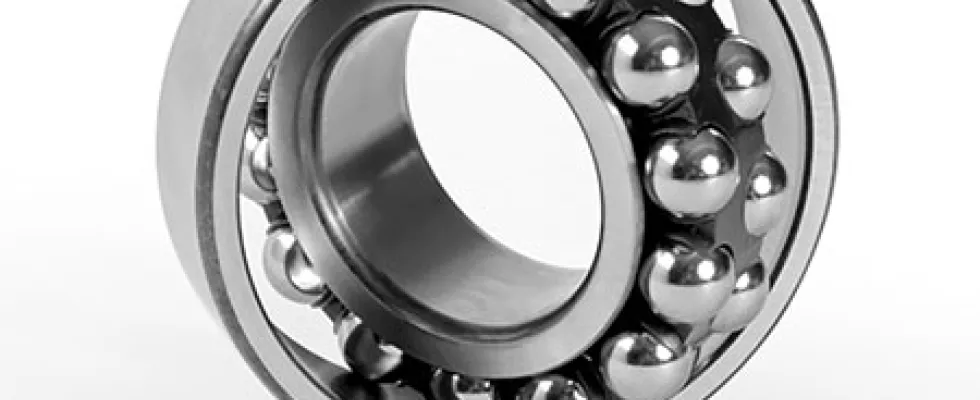
What are self-aligning bearings, and how do they function in machinery?
Self-aligning bearings are a type of rolling contact bearings that are designed to accommodate misalignment between the shaft and the housing in machinery. They are commonly used in applications where shaft deflection, shaft misalignment, or mounting errors are expected.
Here’s a detailed explanation of self-aligning bearings and their functioning in machinery:
- Design and Construction:
Self-aligning bearings consist of two main components: an inner ring with the rolling elements and an outer ring with a spherical raceway. The inner ring is typically mounted on the rotating shaft, while the outer ring is mounted in the housing. The rolling elements, usually balls or rollers, are positioned between the inner and outer rings to facilitate smooth rotation.
The key feature of self-aligning bearings is the spherical shape of the outer ring raceway. This design allows the bearing to accommodate angular misalignment between the shaft and the housing, as well as any axial misalignment or shaft deflection that may occur during operation.
- Functioning in Machinery:
Self-aligning bearings function in machinery by providing several important benefits:
- Misalignment Compensation: Self-aligning bearings can compensate for angular misalignment between the shaft and the housing. This is particularly useful in applications where there may be slight misalignments due to manufacturing tolerances, thermal expansion, or shaft deflection under load. The self-aligning capability allows the bearing to maintain proper alignment and minimize stress on the bearing components.
- Reduced Friction and Wear: The ability of self-aligning bearings to accommodate misalignment helps reduce friction and wear. Misalignment can cause uneven loading and increased stress on the bearing, leading to premature failure. By allowing the bearing to adjust its position, self-aligning bearings distribute the load more evenly, reducing friction and wear on the rolling elements and raceways.
- Shock and Vibration Absorption: Self-aligning bearings can also absorb shocks and vibrations that may occur during operation. The spherical shape of the outer ring raceway allows the bearing to move and adjust its position, effectively absorbing and dampening the impact of shocks and vibrations. This helps improve the overall stability, smoothness, and durability of the machinery.
- Easy Installation and Maintenance: Self-aligning bearings are relatively easy to install and maintain. The self-aligning capability simplifies the alignment process during installation, as slight misalignments can be accommodated. Additionally, regular maintenance tasks, such as re-greasing or replacement of the bearing, can be performed more easily due to the flexibility and adjustability of self-aligning bearings.
Overall, self-aligning bearings play a crucial role in machinery by allowing for misalignment compensation, reducing friction and wear, absorbing shocks and vibrations, and providing ease of installation and maintenance. These features contribute to improved performance, reliability, and durability of the machinery in various applications.


editor by CX 2024-04-23