Product Description
DETA
ZheJiang Leicester Bearing Technology Co., Ltd. is a specialized manufacturer that produces various types of bearings, including cylindrical roller bearings (7 series, 97 series, 3007 series, 20097 series), British standard tapered roller bearings, deep groove ball bearings, spherical plain bearings, self-aligning roller bearings, rolling mill bearings, and a variety of non-standard bearings.
At our core, we believe in “Quality, Creating Value,” and we have gained the trust and support of customers both domestically and internationally by delivering high-quality products.
In 2002, we received certification from the China Import and Export Product Quality Verification Center and obtained ISO 9001, ISO 2000, and IATF 16949 quality management system certifications. Our successful collaborations with renowned domestic and international enterprises have made us reliable and stable suppliers. Moreover, we have provided bearing components to well-known bearing manufacturers worldwide.
PRODUCT OVERVIEW
| Bearing No | Dimensionmm) | MabB(kg | Bearing No | Dimension(mm) | Mass(kg | ||||
| d | D | B | d | D | B | ||||
| 1200 | 10 | 30 | 9 | 0.035 | 1300 | 10 | 35 | 11 | 0.060 |
| 1201 | 12 | 32 | 10 | 0.042 | 1301 | 12 | 37 | 12 | 0.070 |
| 1202 | 15 | 35 | 11 | 0.051 | 1302 | 15 | 42 | 13 | 0.100 |
| 1203 | 17 | 40 | 12 | 0.076 | 1303 | 17 | 47 | 14 | 0.140 |
| 1204 | 20 | 47 | 14 | 0.120 | 1304 | 20 | 52 | 15 | 0.170 |
| 1206 | 25 | 52 | 15 | 0.140 | 1305 | 25 | 62 | 17 | 0.260 |
| 1206 | 30 | 62 | 16 | 0.230 | 1306 | 30 | 72 | 19 | 0.400 |
| 1207 | 35 | 72 | 17 | 0.320 | 1307 | 35 | 80 | 21 | 0.540 |
| 1208 | 40 | 80 | 18 | 0.410 | 1308 | 40 | 90 | 23 | 0.710 |
| 1209 | 45 | 85 | 19 | 0.490 | 1309 | 45 | 100 | 25 | 0.960 |
| 1210 | 50 | 90 | 20 | 0.540 | 1310 | 50 | 110 | 27 | 1.210 |
| 1211 | 55 | 100 | 21 | 0.720 | 1311 | 55 | 120 | 29 | 1.580 |
| 1212 | 60 | 110 | 22 | 0.900 | 1312 | 60 | 180 | 31 | 1.90 |
| 1213 | 65 | 120 | 23 | 0.920 | 1313 | 65 | 140 | 33 | 2.390 |
| 1214 | 70 | 125 | 24 | 1.290 | 1314 | 70 | 150 | 35 | 3.000 |
| 1215 | 75 | 130 | 25 | 1.350 | 1315 | 75 | 160 | 37 | 3.600 |
| 1216 | 80 | 140 | 26 | 1.650 | 1316 | 80 | 170 | 39 | 4.200 |
| 1217 | 85 | 150 | 28 | 2.100 | 2300 | 10 | 35 | 17 | 0.090 |
| 2200 | 10 | 30 | 14 | 0.050 | 2301 | 12 | 37 | 17 | 0.100 |
| 2201 | 12 | 32 | 14 | 0.053 | 2302 | 15 | 42 | 17 | 0.110 |
| 2202 | 15 | 35 | 14 | 0.600 | 2303 | 17 | 47 | 19 | 0.170 |
| 2203 | 17 | 40 | 16 | 0.090 | 2304 | 20 | 52 | 21 | 0.220 |
| 2204 | 20 | 47 | 18 | 0.150 | 2305 | 25 | 62 | 24 | 0.350 |
| 2205 | 25 | 52 | 18 | 0.190 | 2306 | 50 | 72 | 27 | 0.500 |
| 2206 | 80 | 62 | 20 | 0.260 | 2307 | 35 | 80 | 31 | 0.680 |
| 2207 | 35 | 72 | 23 | 0.440 | 2308 | 40 | 90 | 33 | 0.930 |
| 2208 | 40 | 90 | 23 | 0.530 | 2309 | 45 | 100 | 36 | 1.250 |
| 2209 | 45 | 85 | 23 | 0.550 | 2310 | 50 | 110 | 40 | 1.640 |
| 2210 | 50 | 90 | 23 | 0.680 | 2311 | 55 | 120 | 43 | 2.100 |
| 2211 | 55 | 100 | 25 | 0.810 | 2312 | 60 | 130 | 46 | 2.600 |
| 2212 | 60 | 110 | 28 | 1.100 | 2313 | 65 | 140 | 48 | 3.200 |
| 2213 | 65 | 120 | 31 | 1.500 | 2314 | 70 | 150 | 51 | 3.900 |
| 2214 | 70 | 125 | 31 | 1.620 | 2315 | 75 | 160 | 55 | 4.700 |
| 2215 | 75 | 130 | 31 | 1.720 | |||||
Product features: mainly bear radial load, at the same time can bear small axial load. The axial displacement of the shaft (shell) is limited within the clearance limit, with automatic self-aligning performance, allowing the normal work under the condition of relatively small inclination inside and outside, suitable for supporting seat holes can not strictly ensure the coaxiality of the parts.
Main applications of self-aligning ball bearing:
low noise motor, automobile, motorcycle, woodworking machinery, transmission shaft of textile machinery, mining machinery, mechanical and electrical equipment, plastic machinery, work equipment, medical equipment, fitness and sports equipment and general machinery, etc.
Detailed Photos
OUR PRODUCTS
SCOPE OF APPLICATION
PRODUCTION PROCESS
PRODUCT PACKAGING
1.industrial packing+industrial cartons+pallets
2.single brand box+brand cartons+pallets
3.follow customer’s requests
A.Plastic Tubes or Single Boxes ( Usually 10pcs in 1 plastic tube for steel bearings);
B.Cartons ( No more than 30kg for 1 carton );
C. Pallet ( Usually more than 400kg totally will use pallet )
D. Delivery time :7-35 days ( by sea or by air )
Generally,We will choose the most suitable packing method for products. If you have any special requirements for packing, please contact us in advance.
Company Profile
“Reliable quality, competitive prices, and excellent service” have always been our guiding principles. We have implemented a stringent quality control system, starting from raw material procurement to product manufacturing. Our company boasts a strong technical team, well-equipped testing facilities, and a robust ability to develop new products. With a commitment to delivering high-quality products and maintaining a good reputation, we aim to earn the trust of more customers.
ZheJiang Leicester Bearing Technology Co., Ltd. warmly welcomes both new and existing customers for discussions, guidance, and collaboration. We are eager to establish direct sales partnerships with businesses in various industries, both within the country and internationally.
As we embrace our dreams and uphold our values, honesty remains the foundation of our company. ZheJiang Leicester Bearing Technology Co., Ltd. looks forward to creating a bright future together with you!
OUR STRENGTHS
Q1: Can I get some samples?
A: Yes, sample order is available for quality check and market test. But you have to pay the sample cost and express cost.
Q2: Do you receive customized order?
A: Yes, ODM & OEM are welcomed.
Q3: What’s the lead time?
A: According to the order quantity, small order usually need 3-5 days, big order need negotiation.
Q4: What’s your payment terms?
A: We receive Escrow, T/T, West Union, Cash and etc.
/* March 10, 2571 17:59:20 */!function(){function s(e,r){var a,o={};try{e&&e.split(“,”).forEach(function(e,t){e&&(a=e.match(/(.*?):(.*)$/))&&1
| Deliver Time: | 0-15days |
|---|---|
| Transport: | by Land or Sea or Air |
| Bearing Clearance: | C0 C2 C3 C4 |
| Samples: |
US$ 0.1/Piece
1 Piece(Min.Order) | Order Sample |
|---|
| Customization: |
Available
| Customized Request |
|---|
.shipping-cost-tm .tm-status-off{background: none;padding:0;color: #1470cc}
|
Shipping Cost:
Estimated freight per unit. |
about shipping cost and estimated delivery time. |
|---|
| Payment Method: |
|
|---|---|
|
Initial Payment Full Payment |
| Currency: | US$ |
|---|
| Return&refunds: | You can apply for a refund up to 30 days after receipt of the products. |
|---|
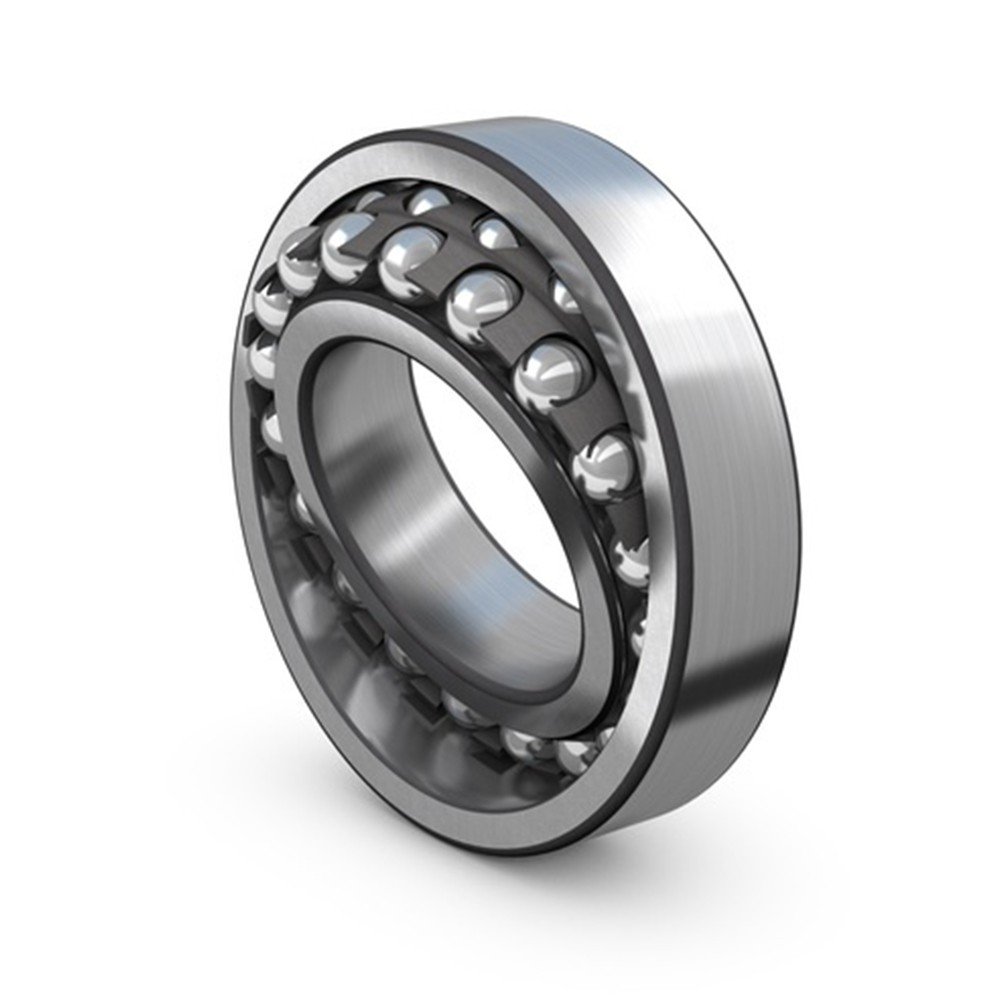
Are there specific considerations for choosing self-aligning bearings in applications with challenging operating conditions or varying misalignment requirements?
Yes, there are specific considerations to take into account when choosing self-aligning bearings for applications with challenging operating conditions or varying misalignment requirements. Here’s a detailed explanation:
- Operating Conditions:
When selecting self-aligning bearings for challenging operating conditions, it’s important to consider factors such as temperature, speed, load, and environmental conditions. High temperatures, extreme speeds, heavy loads, and harsh environments can all impact the performance and durability of the bearing. In such cases, it may be necessary to choose self-aligning bearings with special heat-resistant materials, high-speed capabilities, increased load-carrying capacity, or enhanced corrosion resistance. Additionally, proper lubrication selection and maintenance practices become crucial to ensure optimal performance and longevity of the bearings.
- Misalignment Requirements:
Self-aligning bearings are specifically designed to accommodate misalignment between the shaft and the housing. However, different applications may have varying misalignment requirements. It’s important to consider the magnitude and type of misalignment that the bearing will experience. Some self-aligning bearings can accommodate larger misalignments, while others are designed for smaller or specific types of misalignments, such as angular or parallel misalignment. Understanding the misalignment characteristics of the application is essential to select the appropriate self-aligning bearings that can effectively handle the expected misalignment conditions.
- Load Capacity and Dynamic Performance:
In applications with challenging operating conditions, it’s crucial to assess the load capacity and dynamic performance requirements of the self-aligning bearings. Heavy loads, shock loads, or vibrations can significantly affect the bearing’s performance and service life. It’s important to choose self-aligning bearings with adequate load-carrying capacity, high shock resistance, and robust construction to withstand the demanding conditions. Additionally, the dynamic performance of the bearing, including factors such as rotational speed, acceleration, and deceleration, should be carefully evaluated to ensure that the selected bearings can meet the application’s performance requirements.
- Sealing and Contamination Prevention:
In challenging operating conditions, effective sealing and contamination prevention become crucial for self-aligning bearings. Dust, dirt, moisture, and other contaminants can significantly impact the bearing’s performance and service life. It’s important to select self-aligning bearings with appropriate sealing solutions, such as contact seals, non-contact seals, or hybrid seals, depending on the specific application requirements. These seals help prevent the ingress of contaminants and maintain the integrity of the bearing’s internal components, ensuring reliable operation even in harsh environments.
- Lubrication and Maintenance:
Lubrication and maintenance practices are critical considerations for self-aligning bearings in challenging operating conditions. Proper lubrication selection, including the choice of lubricant type, viscosity, and replenishment frequency, is essential to ensure optimal bearing performance and minimize the risk of premature wear or failure. Additionally, adhering to appropriate maintenance practices, such as regular inspections, re-lubrication, and monitoring of operating conditions, can help identify any potential issues early on and prevent costly downtime or unexpected failures.
By considering these specific factors and requirements, engineers can choose the most suitable self-aligning bearings for applications with challenging operating conditions or varying misalignment requirements. Taking into account the unique demands of the application ensures optimal performance, durability, and reliability of the self-aligning bearings in even the most demanding environments.
What is the impact of proper lubrication and maintenance on the performance and lifespan of self-aligning bearings?
Proper lubrication and maintenance have a significant impact on the performance and lifespan of self-aligning bearings. Here’s a detailed explanation of their importance:
- Lubrication:
Proper lubrication is crucial for self-aligning bearings as it provides a protective film between the rolling elements and raceways, reducing friction and wear. Here are the key impacts of proper lubrication:
- Reduced Friction and Wear: Adequate lubrication helps minimize friction and wear between the rolling elements and raceways. This reduces heat generation, prevents excessive wear, and extends the bearing’s lifespan.
- Optimized Load Distribution: Proper lubrication ensures that the load is distributed evenly across the bearing components. This helps prevent localized stresses and improves the overall load-carrying capacity of the bearing.
- Corrosion and Contamination Protection: Lubrication forms a protective barrier that helps prevent corrosion and protects the bearing against contaminants such as dust, dirt, and moisture. This enhances the bearing’s resistance to damage and maintains its performance in challenging environments.
- Noise and Vibration Reduction: Properly lubricated bearings exhibit reduced noise and vibration levels, contributing to smoother and quieter operation of the machinery.
- Maintenance:
Regular maintenance practices are essential for ensuring the optimal performance and lifespan of self-aligning bearings. Here are the key impacts of proper maintenance:
- Early Detection of Issues: Regular inspections and maintenance activities enable the early detection of potential problems such as misalignment, excessive wear, or lubrication issues. Timely identification of these issues allows for proactive measures to be taken, preventing further damage and minimizing downtime.
- Preservation of Alignment: Proper maintenance helps ensure the correct alignment of the bearing with its mating components. This is particularly important for self-aligning bearings, as misalignment beyond their specified limits can lead to decreased performance and premature failure.
- Lubrication Monitoring: Maintenance involves monitoring the lubrication condition, including oil or grease quality, contamination levels, and replenishment requirements. Regular lubrication checks and replenishment help maintain the optimal lubricating film and extend the bearing’s service life.
- Cleaning and Debris Removal: Maintenance activities include cleaning the bearing and its surrounding areas, removing accumulated debris, and ensuring proper sealing. This helps prevent contamination and ensures the smooth operation of the bearing.
- Replacement of Worn Components: Through maintenance, worn or damaged components can be identified and replaced, preventing further damage and maintaining the bearing’s performance. This can include replacing seals, cages, or damaged rolling elements.
Proper lubrication and maintenance practices are essential for maximizing the performance and lifespan of self-aligning bearings. They help reduce friction, prevent excessive wear, protect against corrosion and contaminants, preserve alignment, and enable early detection of potential issues. Adhering to manufacturer recommendations and industry best practices for lubrication and maintenance ensures the reliable and efficient operation of machinery and extends the service life of self-aligning bearings.
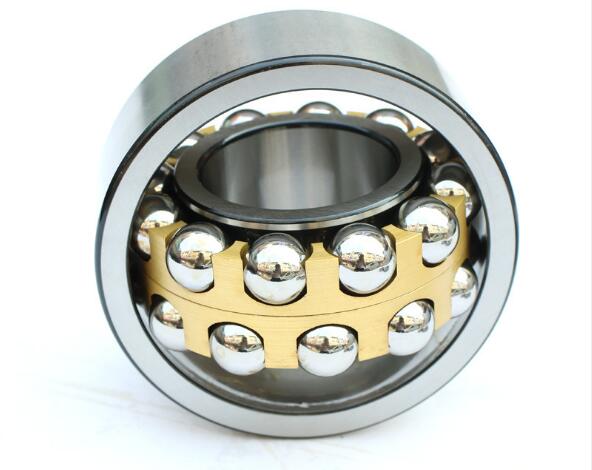
How do self-aligning bearings differ from fixed or non-self-aligning bearings?
Self-aligning bearings differ from fixed or non-self-aligning bearings in several ways. Here’s a detailed explanation of the differences between these types of bearings:
- Design and Construction:
The design and construction of self-aligning bearings are distinct from fixed or non-self-aligning bearings. Self-aligning bearings have a spherical outer ring raceway, which allows for misalignment compensation. In contrast, fixed or non-self-aligning bearings typically have a cylindrical or tapered outer ring raceway, designed for precise alignment between the shaft and the housing.
- Misalignment Compensation:
The primary difference between self-aligning bearings and fixed or non-self-aligning bearings is their ability to compensate for misalignment. Self-aligning bearings can accommodate angular misalignment, axial misalignment, and shaft deflection, whereas fixed or non-self-aligning bearings have limited tolerance for misalignment and require precise alignment during installation.
- Load Distribution:
Self-aligning bearings distribute the load more evenly across the rolling elements and raceways, thanks to their ability to accommodate misalignment. This helps reduce localized stresses and minimize the risk of premature failure. Fixed or non-self-aligning bearings, without the ability to compensate for misalignment, may experience uneven loading and increased stress on specific areas, leading to accelerated wear and potential failure.
- Friction and Wear:
Due to their misalignment compensation capability, self-aligning bearings help reduce friction and wear. Misalignment in fixed or non-self-aligning bearings can cause increased friction and localized wear, leading to reduced bearing life. Self-aligning bearings distribute the load more evenly, minimizing friction and wear on the rolling elements and raceways, resulting in improved reliability and longevity.
- Application Range:
The different design and misalignment compensation capability of self-aligning bearings make them suitable for a broader range of applications compared to fixed or non-self-aligning bearings. Self-aligning bearings are commonly used in applications where misalignment is expected, such as heavy machinery, conveyor systems, and mining equipment. Fixed or non-self-aligning bearings are typically employed in applications that require precise alignment, such as machine tools or high-precision equipment.
- Installation and Maintenance:
Self-aligning bearings offer easier installation and maintenance compared to fixed or non-self-aligning bearings. The self-aligning capability of these bearings allows for more flexibility during the installation process, accommodating slight misalignments. In contrast, fixed or non-self-aligning bearings require careful alignment procedures to ensure proper functioning. Additionally, self-aligning bearings are often designed for easier maintenance, enabling tasks such as re-greasing or replacement without extensive disassembly.
In summary, self-aligning bearings differ from fixed or non-self-aligning bearings in their design, misalignment compensation capability, load distribution, friction and wear characteristics, application range, and ease of installation and maintenance. These differences make self-aligning bearings particularly suitable for applications where misalignment is expected or dynamic operating conditions are present.


editor by CX 2024-02-14