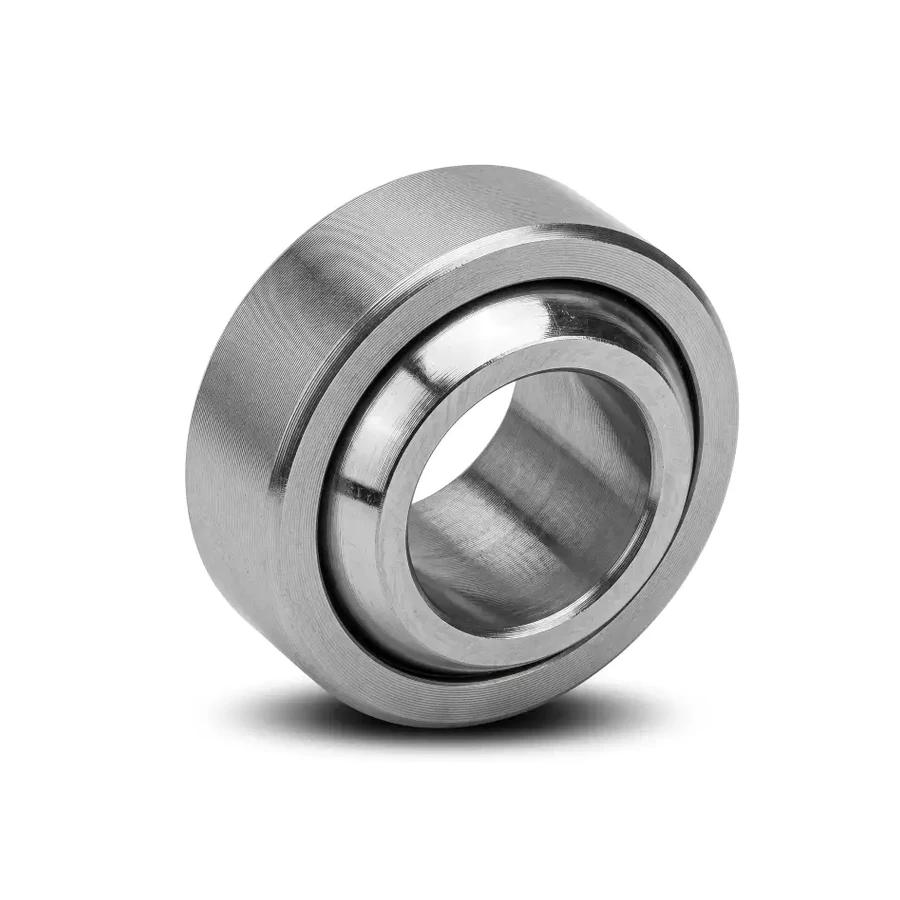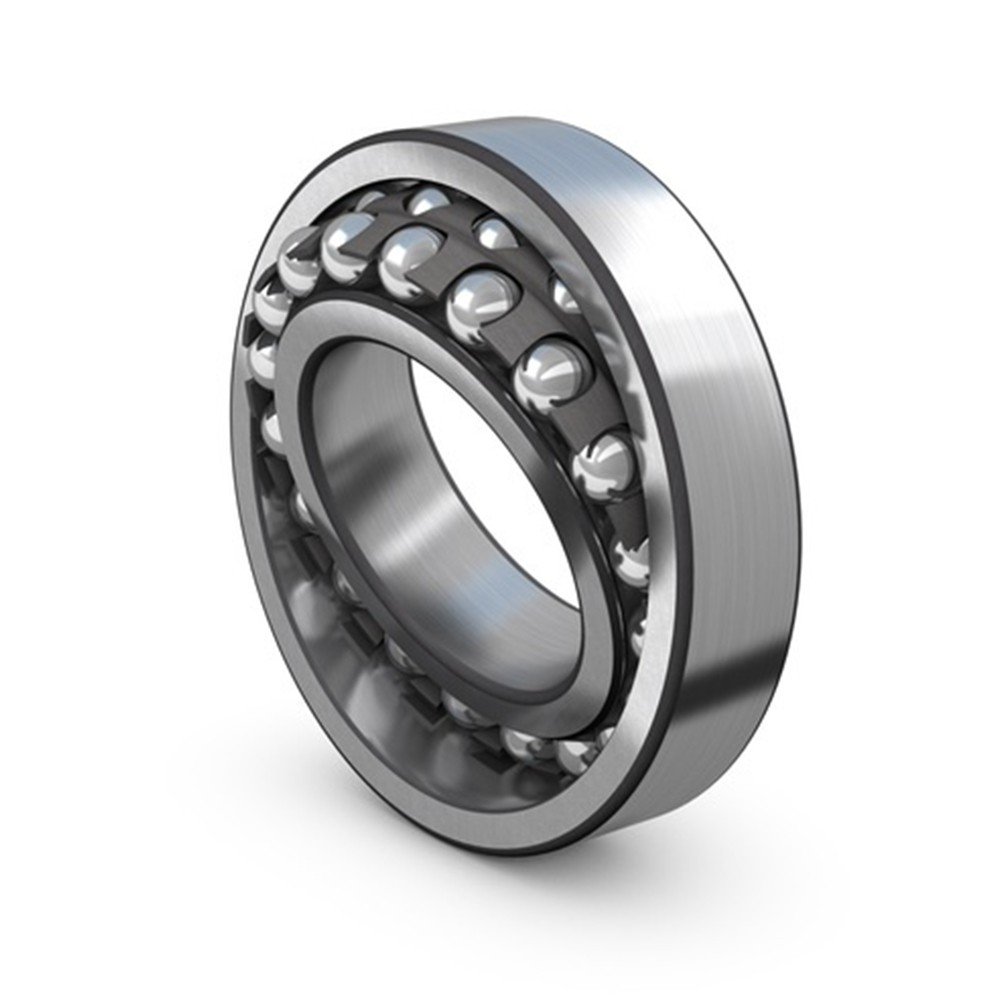
自動調心ベアリング
Are there specific considerations for choosing self-aligning bearings in applications with challenging operating conditions or varying misalignment requirements? Yes, there are specific considerations to take into account when choosing self-aligning bearings for applications with challenging operating conditions or varying misalignment requirements. Here’s a detailed explanation: Operating Conditions: When selecting self-aligning bearings for challenging operating conditions, it’s important to consider factors such as temperature, speed, load, and environmental conditions. High temperatures, extreme speeds, heavy loads, and harsh environments can all impact the performance and durability of the bearing. In such cases, it may be necessary to choose self-aligning bearings with special heat-resistant materials, high-speed capabilities, increased load-carrying capacity, or enhanced corrosion…
記事を読む →
自動調心ベアリング
What are the eco-friendly or sustainable aspects of self-aligning bearing materials? Self-aligning bearings can incorporate eco-friendly or sustainable aspects in their material composition. Here’s a detailed explanation: Recyclable Materials: Many self-aligning bearings are made from materials that are recyclable. Steel, which is commonly used for bearing rings and rolling elements, is highly recyclable and can be processed and reused multiple times without significant loss of properties. By choosing self-aligning bearings made from recyclable materials, the environmental impact associated with the disposal and production of bearings can be reduced. Low Environmental Footprint: The production of self-aligning bearings involves various manufacturing processes. Manufacturers often strive to optimize these processes to minimize energy…
記事を読む →
自動調心ベアリング
What is the role of cage design and materials in self-aligning bearing performance and durability? The cage design and materials used in self-aligning bearings play a crucial role in determining their performance and durability. Here’s a detailed explanation: Guiding and Retaining Rolling Elements: The primary function of the cage in a self-aligning bearing is to guide and retain the rolling elements, such as balls or rollers, in their proper positions. The cage prevents the rolling elements from contacting and rubbing against each other, ensuring smooth and controlled movement within the bearing. By providing precise spacing and alignment, the cage maintains the integrity of the bearing assembly and optimizes load distribution.…
記事を読む →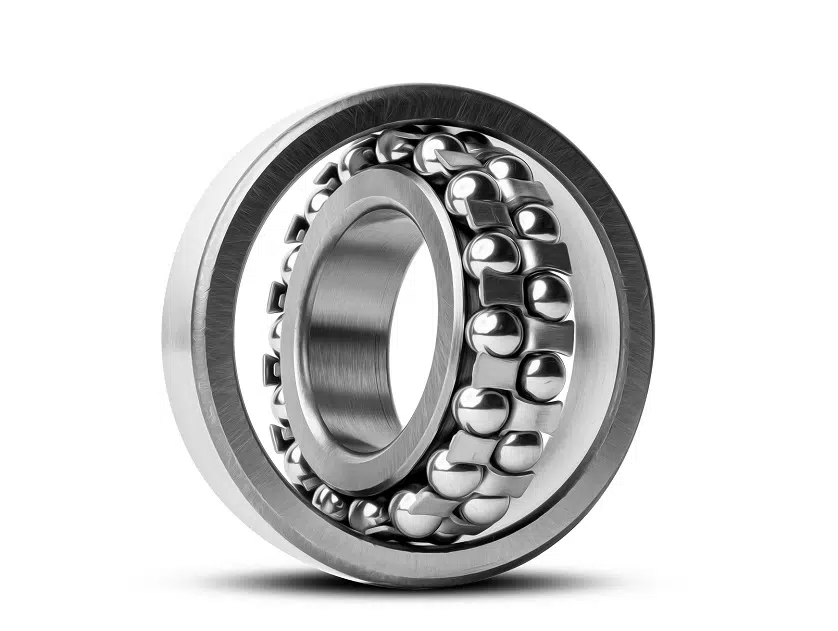
自動調心ベアリング
How do self-aligning bearings enhance the overall efficiency and functionality of machinery and equipment? Self-aligning bearings play a crucial role in enhancing the overall efficiency and functionality of machinery and equipment. Here’s a detailed explanation: Compensation for Misalignment: One of the key benefits of self-aligning bearings is their ability to compensate for misalignment between the shaft and the housing. Misalignment can occur due to various factors such as shaft deflection, thermal expansion, or mounting errors. Self-aligning bearings have the capability to accommodate angular misalignment, axial displacement, and shaft deflection, ensuring smooth operation even in challenging conditions. By accommodating misalignment, self-aligning bearings minimize stress and wear on other components, reducing the…
記事を読む →自動調心ベアリング
Are there specific considerations for choosing self-aligning bearings in applications with challenging operating conditions or varying misalignment requirements? Yes, there are specific considerations to take into account when choosing self-aligning bearings for applications with challenging operating conditions or varying misalignment requirements. Here’s a detailed explanation: Operating Conditions: When selecting self-aligning bearings for challenging operating conditions, it’s important to consider factors such as temperature, speed, load, and environmental conditions. High temperatures, extreme speeds, heavy loads, and harsh environments can all impact the performance and durability of the bearing. In such cases, it may be necessary to choose self-aligning bearings with special heat-resistant materials, high-speed capabilities, increased load-carrying capacity, or enhanced corrosion…
記事を読む →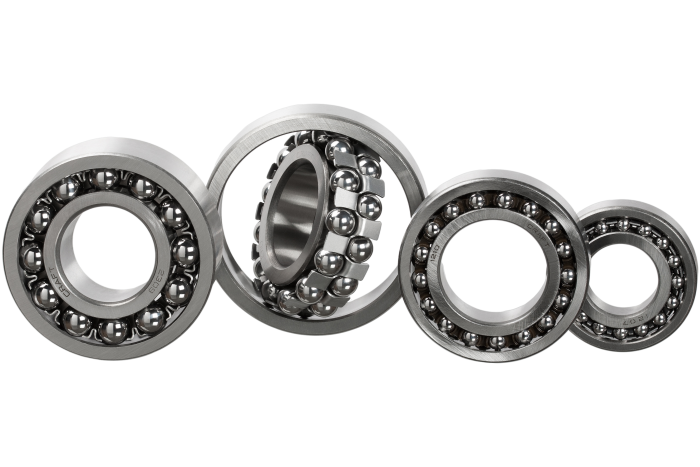
自動調心ベアリング
Can you provide guidance on the selection and sizing of self-aligning bearings for specific applications? Yes, here’s a detailed explanation on the selection and sizing of self-aligning bearings for specific applications: Understand the Application Requirements: The first step in selecting and sizing self-aligning bearings is to thoroughly understand the requirements of the application. Consider factors such as: Load: Determine the magnitude and direction of the load the bearing will be subjected to, including static, dynamic, and shock loads. Speed: Identify the rotational speed or frequency of operation to ensure the selected bearing can handle the required speed without compromising performance. Environment: Consider the operating environment, including temperature range, presence of…
記事を読む →自動調心ベアリング
Are there specific considerations for choosing self-aligning bearings in applications with challenging operating conditions or varying misalignment requirements? Yes, there are specific considerations to take into account when choosing self-aligning bearings for applications with challenging operating conditions or varying misalignment requirements. Here’s a detailed explanation: Operating Conditions: When selecting self-aligning bearings for challenging operating conditions, it’s important to consider factors such as temperature, speed, load, and environmental conditions. High temperatures, extreme speeds, heavy loads, and harsh environments can all impact the performance and durability of the bearing. In such cases, it may be necessary to choose self-aligning bearings with special heat-resistant materials, high-speed capabilities, increased load-carrying capacity, or enhanced corrosion…
記事を読む →自動調心ベアリング
Can you provide guidance on the selection and sizing of self-aligning bearings for specific applications? Yes, here’s a detailed explanation on the selection and sizing of self-aligning bearings for specific applications: Understand the Application Requirements: The first step in selecting and sizing self-aligning bearings is to thoroughly understand the requirements of the application. Consider factors such as: Load: Determine the magnitude and direction of the load the bearing will be subjected to, including static, dynamic, and shock loads. Speed: Identify the rotational speed or frequency of operation to ensure the selected bearing can handle the required speed without compromising performance. Environment: Consider the operating environment, including temperature range, presence of…
記事を読む →自動調心ベアリング
Are there specific considerations for choosing self-aligning bearings in applications with challenging operating conditions or varying misalignment requirements? Yes, there are specific considerations to take into account when choosing self-aligning bearings for applications with challenging operating conditions or varying misalignment requirements. Here’s a detailed explanation: Operating Conditions: When selecting self-aligning bearings for challenging operating conditions, it’s important to consider factors such as temperature, speed, load, and environmental conditions. High temperatures, extreme speeds, heavy loads, and harsh environments can all impact the performance and durability of the bearing. In such cases, it may be necessary to choose self-aligning bearings with special heat-resistant materials, high-speed capabilities, increased load-carrying capacity, or enhanced corrosion…
記事を読む →自動調心ベアリング
Are there specific considerations for choosing self-aligning bearings in applications with challenging operating conditions or varying misalignment requirements? Yes, there are specific considerations to take into account when choosing self-aligning bearings for applications with challenging operating conditions or varying misalignment requirements. Here’s a detailed explanation: Operating Conditions: When selecting self-aligning bearings for challenging operating conditions, it’s important to consider factors such as temperature, speed, load, and environmental conditions. High temperatures, extreme speeds, heavy loads, and harsh environments can all impact the performance and durability of the bearing. In such cases, it may be necessary to choose self-aligning bearings with special heat-resistant materials, high-speed capabilities, increased load-carrying capacity, or enhanced corrosion…
記事を読む →