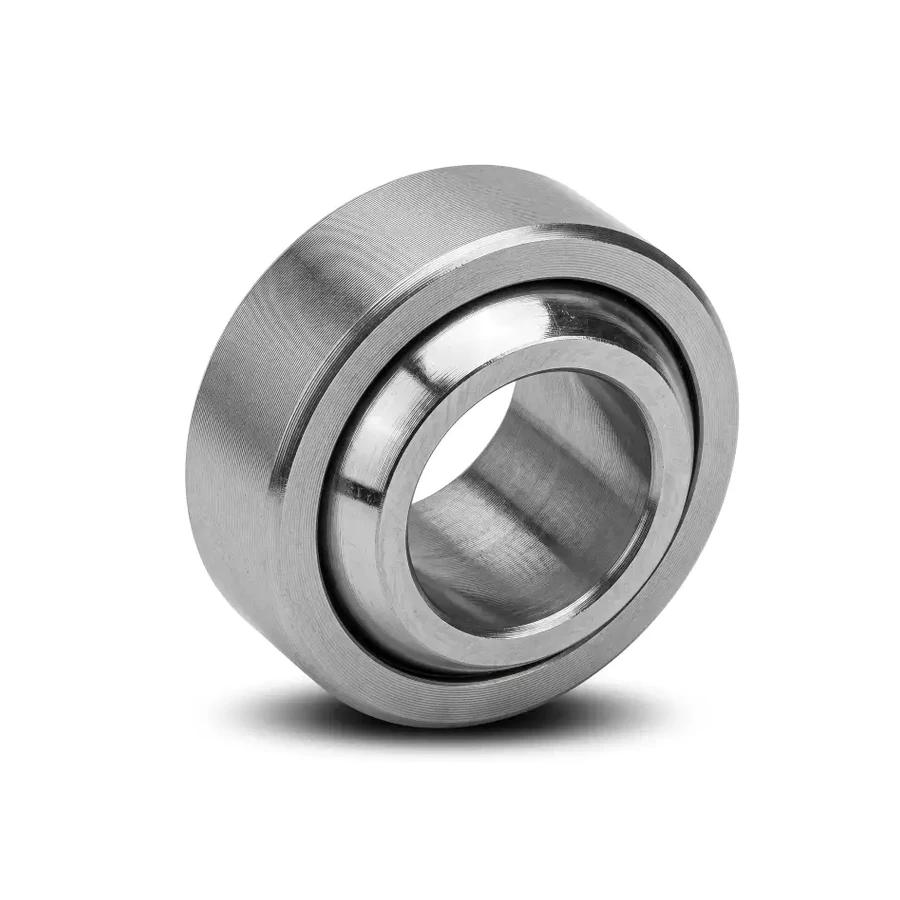
自動調心ベアリング
How do innovations and advancements in self-aligning bearing technology impact their use? Advancements and innovations in self-aligning bearing technology have a significant impact on their use in various industries. Here’s a detailed explanation: Improved Performance: Innovations in self-aligning bearing technology often result in improved performance characteristics. These advancements can include: Load Capacity: New bearing designs and materials can enhance the load-carrying capacity of self-aligning bearings, allowing them to withstand higher loads or operate under more demanding conditions. Speed Capability: Advancements in bearing manufacturing techniques and materials can increase the maximum rotational speed at which self-aligning bearings can operate effectively, enabling their use in high-speed applications. Friction Reduction: Innovations in bearing…
記事を読む →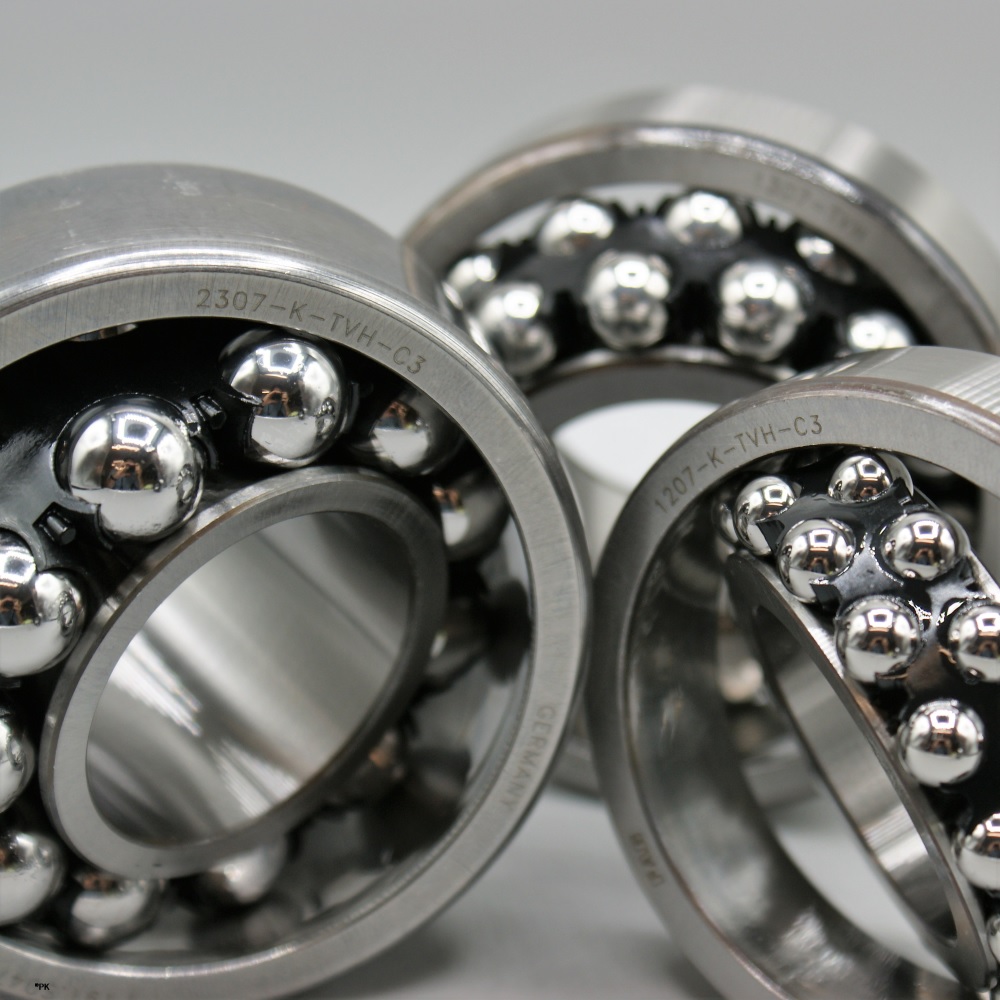
自動調心ベアリング
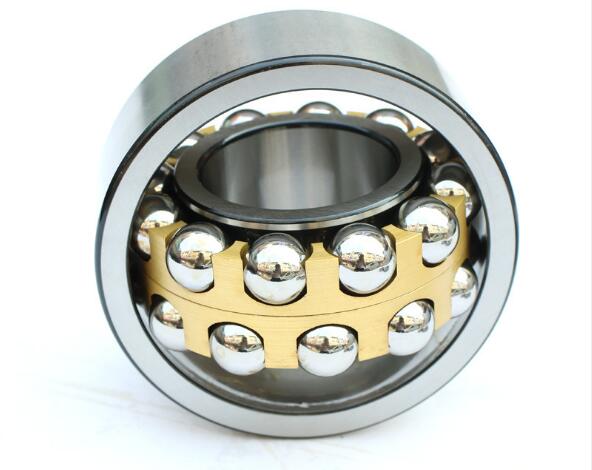
Product Description Product Description Product Parameters Self aligning ball bearings mainly bear radial loads and can also withstand small axial loads. The axial displacement of the shaft (shell) is limited within the clearance limit, with automatic centering performance, allowing normal operation under conditions of relatively small internal and external inclination. It is suitable for components where the support seat hole cannot strictly guarantee coaxiality. Self aligning ball bearings are suitable for bearing heavy and impact loads, precision instruments, low noise motors, automobiles, motorcycles, metallurgy, rolling mills, mines, petroleum, papermaking, cement, sugar squeezing and other industries, as well as general machinery. Type BALL Structure Self-Aligning Applicable Industries…
記事を読む →自動調心ベアリング
Can you describe the various types of seals and shields used with self-aligning bearings for contamination prevention? Yes, here’s a detailed description of the various types of seals and shields used with self-aligning bearings for contamination prevention: Contact Seals: Contact seals, also known as lip seals or radial seals, are commonly used with self-aligning bearings to prevent the ingress of contaminants. These seals feature a flexible lip that makes contact with the inner ring of the bearing, creating a barrier against dust, dirt, water, and other external substances. Contact seals provide effective contamination prevention but may introduce slightly higher friction due to the contact between the seal lip and the…
記事を読む →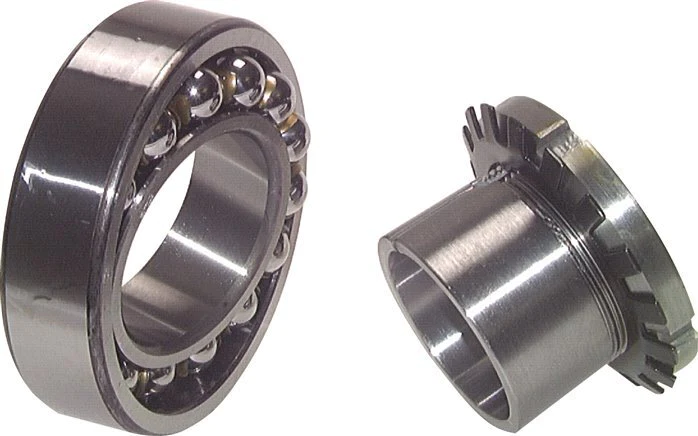
自動調心ベアリング
Product Description Product Description Product Parameters Self aligning ball bearings mainly bear radial loads and can also withstand small axial loads. The axial displacement of the shaft (shell) is limited within the clearance limit, with automatic centering performance, allowing normal operation under conditions of relatively small internal and external inclination. It is suitable for components where the support seat hole cannot strictly guarantee coaxiality. Self aligning ball bearings are suitable for bearing heavy and impact loads, precision instruments, low noise motors, automobiles, motorcycles, metallurgy, rolling mills, mines, petroleum, papermaking, cement, sugar squeezing and other industries, as well as general machinery. Type BALL Structure Self-Aligning Applicable Industries Food…
記事を読む →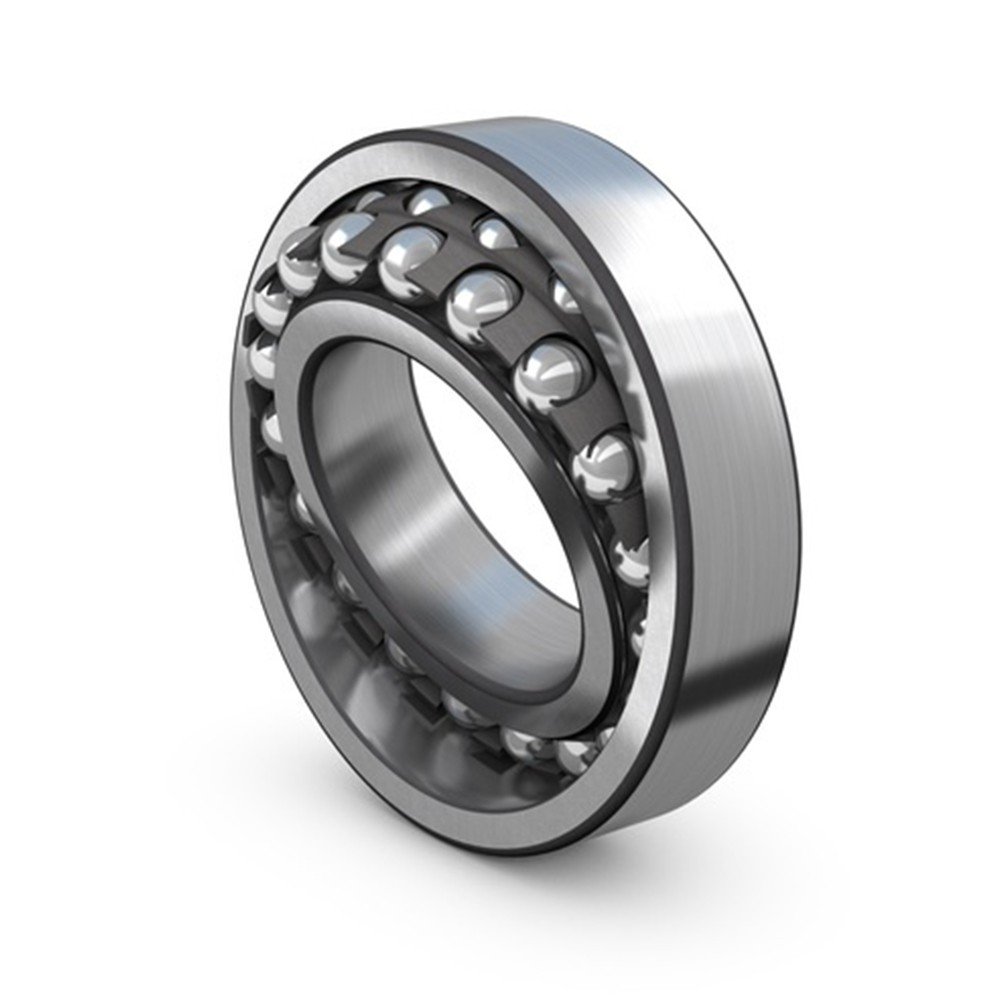
自動調心ベアリング
Product Description Iron retainer Copper retainer High strength/not easy to deformation/light Low noise/abrasion resistance/long service weight/low price …
記事を読む →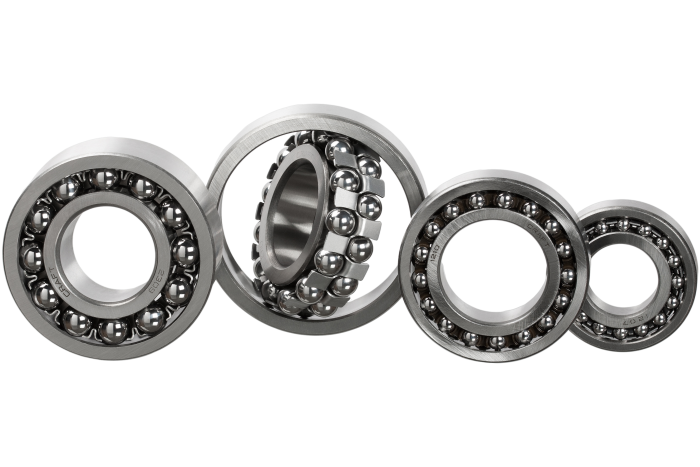
自動調心ベアリング
Can you provide guidance on the selection and sizing of self-aligning bearings for specific applications? Yes, here’s a detailed explanation on the selection and sizing of self-aligning bearings for specific applications: Understand the Application Requirements: The first step in selecting and sizing self-aligning bearings is to thoroughly understand the requirements of the application. Consider factors such as: Load: Determine the magnitude and direction of the load the bearing will be subjected to, including static, dynamic, and shock loads. Speed: Identify the rotational speed or frequency of operation to ensure the selected bearing can handle the required speed without compromising performance. Environment: Consider the operating environment, including temperature range, presence of…
記事を読む →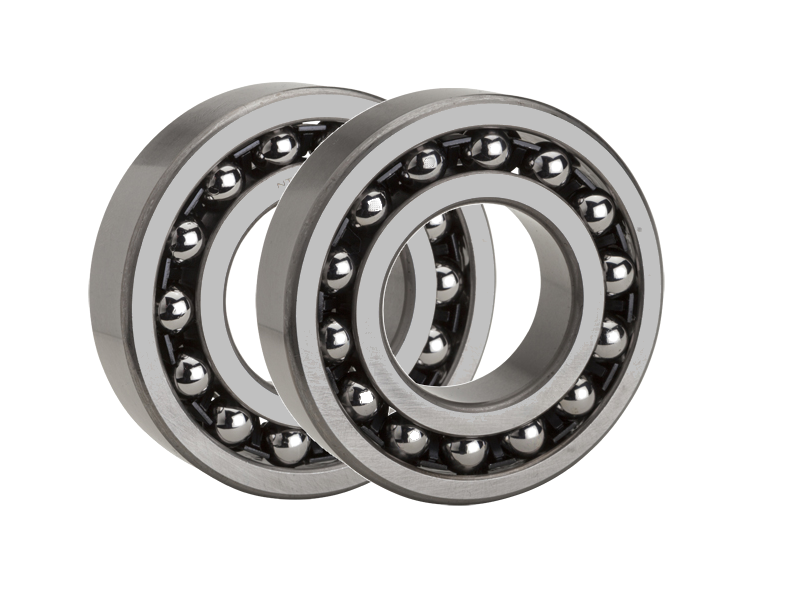
自動調心ベアリング
What are the eco-friendly or sustainable aspects of self-aligning bearing materials? Self-aligning bearings can incorporate eco-friendly or sustainable aspects in their material composition. Here’s a detailed explanation: Recyclable Materials: Many self-aligning bearings are made from materials that are recyclable. Steel, which is commonly used for bearing rings and rolling elements, is highly recyclable and can be processed and reused multiple times without significant loss of properties. By choosing self-aligning bearings made from recyclable materials, the environmental impact associated with the disposal and production of bearings can be reduced. Low Environmental Footprint: The production of self-aligning bearings involves various manufacturing processes. Manufacturers often strive to optimize these processes to minimize energy…
記事を読む →自動調心ベアリング
Product Description Product Description Product Parameters Self aligning ball bearings mainly bear radial loads and can also withstand small axial loads. The axial displacement of the shaft (shell) is limited within the clearance limit, with automatic centering performance, allowing normal operation under conditions of relatively small internal and external inclination. It is suitable for components where the support seat hole cannot strictly guarantee coaxiality. Self aligning ball bearings are suitable for bearing heavy and impact loads, precision instruments, low noise motors, automobiles, motorcycles, metallurgy, rolling mills, mines, petroleum, papermaking, cement, sugar squeezing and other industries, as well as general machinery. Type BALL Structure Self-Aligning Applicable Industries Food…
記事を読む →自動調心ベアリング
Can you provide guidance on the selection and sizing of self-aligning bearings for specific applications? Yes, here’s a detailed explanation on the selection and sizing of self-aligning bearings for specific applications: Understand the Application Requirements: The first step in selecting and sizing self-aligning bearings is to thoroughly understand the requirements of the application. Consider factors such as: Load: Determine the magnitude and direction of the load the bearing will be subjected to, including static, dynamic, and shock loads. Speed: Identify the rotational speed or frequency of operation to ensure the selected bearing can handle the required speed without compromising performance. Environment: Consider the operating environment, including temperature range, presence of…
記事を読む →自動調心ベアリング
Product Description Auto Parts Self Aligning Spherical Steel Rolling Mill Bearing for Vertical Motors Product Description Self Aligning Ball Bearings Self aligning ball bearings have 2 rows of balls, a common sphered raceway in the outer ring and 2 deep uninterrupted raceway grooves in the inner ring. Self aligning ball bearings are insensitive to angular misalignment of the shaft relative to the housing, which can be caused, for example, by shaft deflection or housing deformations. Self aligning ball bearings are suitable for applications where the shaft relative to the housing bore is prone to angular misalignments. Under normal loads, depending on the dimensional series, the maximum permissible angular misalignment is…
記事を読む →