Product Description
Company Profile
ZheJiang Furlante Bearing Technology Co is a professional bearing manufacturer with factory and trade. Our company is mainly engaged in deep groove ball bearings,apered roller bearings,External spherical housing bearings,Thrust ball bearings,Linear CZPT bearing system. We have a self-developed team to design and improve the bearings. To meet the needs of different customers. we provide oem and odm,and we have a perfect quality inspection system and professional after-sales service team. we will provide you the best products and services with the most reasonable price.
Product Description
Bearing No.
| Bearing NO. | Inner Diameter(MM) | Outer Diameter(MM) | Height(MM) | Weight(KG) |
| 22208CA/C3W33 | 40 | 80 | 23 | 0.54 |
| 22209CA/C3W33 | 45 | 85 | 23 | 0.58 |
| 22210CA/C3W33 | 50 | 90 | 23 | 0.62 |
| 22211CA/C3W33 | 55 | 100 | 25 | 0.84 |
| 22212CA/C3W33 | 60 | 110 | 28 | 1.2 |
| 22213CA/C3W33 | 65 | 120 | 31 | 1.6 |
| 22214CA/C3W33 | 70 | 125 | 31 | 1.7 |
| 22215CA/C3W33 | 75 | 130 | 31 | 1.8 |
| 22216CA/C3W33 | 80 | 140 | 33 | 2.2 |
| 22217CA/C3W33 | 85 | 150 | 36 | 2.7 |
| 22218CA/C3W33 | 90 | 160 | 40 | 3.28 |
| 22219CA/C3W33 | 95 | 170 | 43 | 4.1 |
| 22220CA/C3W33 | 100 | 180 | 46 | 5 |
| 22222CA/C3W33 | 110 | 200 | 53 | 7.2 |
| 22224CA/C3W33 | 120 | 215 | 58 | 8.9 |
| 22226CA/C3W33 | 130 | 230 | 64 | 11.2 |
| 22228CA/C3W33 | 140 | 250 | 68 | 14.5 |
| 22230CA/C3W33 | 150 | 270 | 73 | 18.6 |
| 22308CA/C3W33 | 40 | 90 | 33 | 1 |
| 22309CA/C3W33 | 45 | 100 | 36 | 1.38 |
| 22310CA/C3W33 | 50 | 110 | 40 | 1.85 |
| 22311CA/C3W33 | 55 | 120 | 43 | 2.35 |
| 22312CA/C3W33 | 60 | 130 | 46 | 2.95 |
| 22313CA/C3W33 | 65 | 140 | 48 | 3.55 |
| 22314CA/C3W33 | 70 | 150 | 51 | 4.4 |
| 22315CA/C3W33 | 75 | 160 | 55 | 5.25 |
| 22316CA/C3W33 | 80 | 170 | 58 | 6.39 |
| 22317CA/C3W33 | 85 | 180 | 60 | 7.25 |
| 22318CA/C3W33 | 90 | 190 | 64 | 8.6 |
| 22319CA/C3W33 | 95 | 200 | 67 | 10.1 |
| 22320CA/C3W33 | 100 | 215 | 73 | 13.4 |
| 22322CA/C3W33 | 110 | 240 | 80 | 18 |
| 22324CA/C3W33 | 120 | 260 | 86 | 22 |
| 22326CA/C3W33 | 130 | 280 | 93 | 28.5 |
| 21306CA/C3W33 | 30 | 72 | 19 | 0.412 |
| 21307CA/C3W33 | 35 | 80 | 21 | 0.542 |
| 21308CA/C3W33 | 40 | 90 | 23 | 0.743 |
| 21309CA/C3W33 | 45 | 100 | 25 | 1 |
| 21310CA/C3W33 | 50 | 110 | 27 | 1.3 |
| 21311CA/C3W33 | 55 | 120 | 29 | 1.65 |
| 21312CA/C3W33 | 60 | 130 | 31 | 2.08 |
| 21313CA/C3W33 | 65 | 140 | 33 | 2.57 |
| 21314CA/C3W33 | 70 | 150 | 35 | 3.11 |
| 21315CA/C3W33 | 75 | 160 | 37 | 3.76 |
| 21316CA/C3W33 | 80 | 170 | 39 | 4.47 |
| 21322CA/C3W33 | 110 | 240 | 50 | 11.8 |
| 23571CA/C3W33 | 120 | 180 | 46 | 3.98 |
| 23026CA/C3W33 | 130 | 200 | 52 | 5.85 |
| 23571CA/C3W33 | 140 | 210 | 53 | 6.31 |
| 23030CA/C3W33 | 150 | 225 | 56 | 7.74 |
| 23032CA/C3W33 | 160 | 240 | 60 | 9.43 |
| 23034CA/C3W33 | 170 | 260 | 67 | 12.8 |
| 23036CA/C3W33 | 180 | 280 | 74 | 16.9 |
| 23038CA/C3W33 | 190 | 290 | 75 | 17.7 |
| 23040CA/C3W33 | 200 | 310 | 82 | 22.7 |
| 23044CA/C3W33 | 220 | 340 | 90 | 29.7 |
| 23048CA/C3W33 | 240 | 360 | 92 | 32.4 |
| 24571CA/C3W33 | 120 | 180 | 60 | 5.05 |
| 24026CA/C3W33 | 130 | 200 | 69 | 7.55 |
| 24571CA/C3W33 | 140 | 210 | 69 | 8.01 |
| 24030CA/C3W33 | 150 | 225 | 75 | 10.1 |
| 24032CA/C3W33 | 160 | 240 | 80 | 12.2 |
| 24034CA/C3W33 | 170 | 260 | 90 | 16.7 |
| 24036CA/C3W33 | 180 | 280 | 100 | 22.1 |
| 24038CA/C3W33 | 190 | 290 | 100 | 23 |
| 24040CA/C3W33 | 200 | 310 | 109 | 29.3 |
| 24044CA/C3W33 | 220 | 340 | 118 | 38.1 |
| 24048CA/C3W33 | 240 | 360 | 118 | 40.8 |
/* January 22, 2571 19:08:37 */!function(){function s(e,r){var a,o={};try{e&&e.split(“,”).forEach(function(e,t){e&&(a=e.match(/(.*?):(.*)$/))&&1
| Precision: | P0, P6, P5, P4, P2 |
|---|---|
| Clearance: | C0, C2, C3, C4, C5 |
| Size: | All Sizes Are Available |
| Feature: | Long Service Life and Low Friction |
| Contact Angle: | 60° |
| Aligning: | Non-Aligning Bearing |
| Samples: |
US$ 30/Piece
1 Piece(Min.Order) | |
|---|
| Customization: |
Available
| Customized Request |
|---|
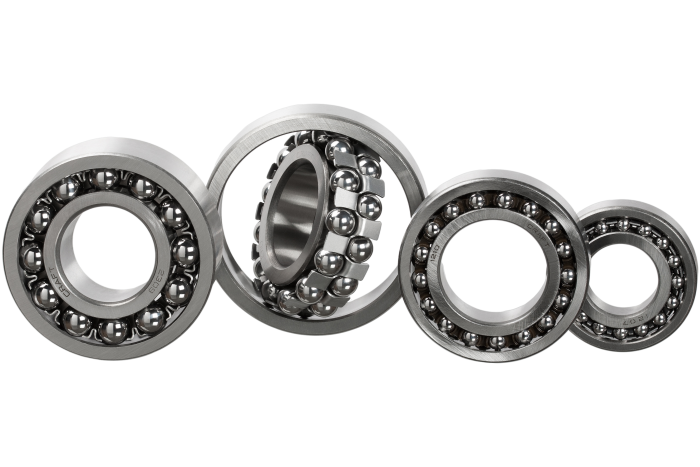
Can you provide guidance on the selection and sizing of self-aligning bearings for specific applications?
Yes, here’s a detailed explanation on the selection and sizing of self-aligning bearings for specific applications:
- Understand the Application Requirements:
The first step in selecting and sizing self-aligning bearings is to thoroughly understand the requirements of the application. Consider factors such as:
- Load: Determine the magnitude and direction of the load the bearing will be subjected to, including static, dynamic, and shock loads.
- Speed: Identify the rotational speed or frequency of operation to ensure the selected bearing can handle the required speed without compromising performance.
- Environment: Consider the operating environment, including temperature range, presence of contaminants, moisture, or corrosive substances, and any other specific environmental factors that may affect the bearing’s performance.
- Mounting and Space Constraints: Evaluate the available space for bearing installation and any specific mounting requirements or constraints within the application.
- Service Life and Maintenance: Determine the desired service life and maintenance intervals to select a bearing that can meet these requirements.
- Consult Bearing Manufacturer’s Catalogs and Technical Resources:
Once the application requirements are understood, consult the catalogs and technical resources provided by self-aligning bearing manufacturers. These resources contain valuable information such as bearing types, sizes, load ratings, and operating characteristics.
Identify the specific self-aligning bearing series or types that are suitable for the application based on the load capacity, speed capability, and other performance factors.
- Consider Bearing Materials and Lubrication:
Pay attention to the bearing materials and lubrication requirements. Different bearing materials, such as steel, ceramic, or polymers, offer varying levels of performance in terms of load capacity, temperature resistance, and corrosion resistance.
Choose the appropriate bearing material that aligns with the application’s requirements. Additionally, consider the lubrication method and type of lubricant recommended for optimal bearing performance and longevity.
- Factor in Safety and Reliability:
Ensure that the selected self-aligning bearing has an appropriate safety margin to handle the expected loads and operating conditions. It is advisable to consult with bearing experts or utilize engineering calculations to verify the bearing’s suitability and reliability.
- Consider Application-Specific Features:
Depending on the application, there may be specific features or options to consider. For example, applications with high contamination levels may require sealed or shielded bearings to prevent debris ingress, while applications with high-speed requirements may benefit from bearings with optimized internal designs or cage materials.
- Review Manufacturer Recommendations:
Finally, review the manufacturer’s recommendations for the selected self-aligning bearing in terms of installation guidelines, maintenance procedures, and any specific considerations for the application.
By following these guidelines and consulting with bearing manufacturers or experts when needed, you can make an informed selection and sizing of self-aligning bearings that meet the specific requirements of your application, ensuring reliable performance and longevity.
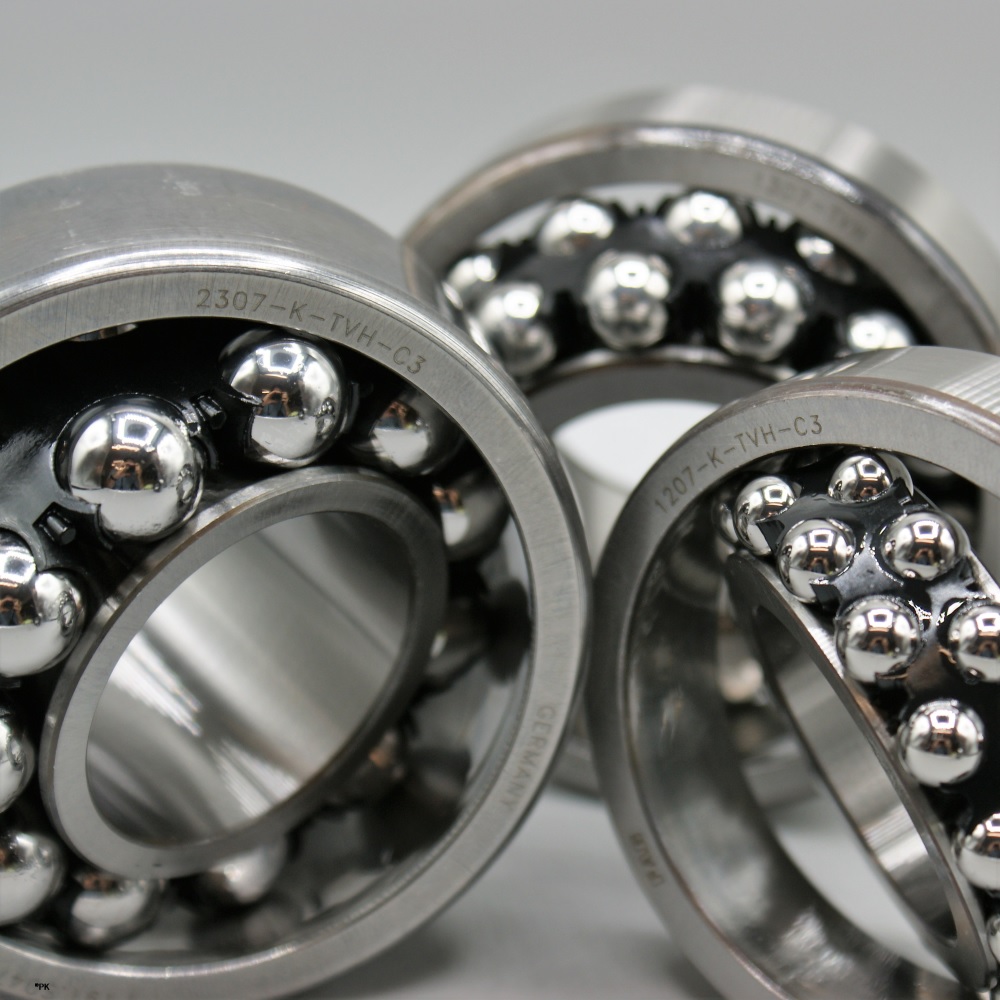
Are there specific industries or applications where self-aligning bearings are frequently used?
Self-aligning bearings find widespread use in various industries and applications where misalignment compensation, high load-carrying capacity, and reliability are crucial. Here’s a detailed description of some specific industries and applications where self-aligning bearings are frequently employed:
- Heavy Machinery and Equipment:
Self-aligning bearings are extensively used in heavy machinery and equipment, such as mining equipment, construction machinery, and material handling systems. These applications often involve high loads, dynamic forces, and operating conditions that can lead to misalignment. Self-aligning bearings help accommodate misalignment caused by factors like vibration, thermal expansion, and shaft deflection, ensuring smooth operation and prolonged service life of the machinery.
- Paper and Pulp Industry:
In the paper and pulp industry, self-aligning bearings are commonly employed in critical equipment like paper machines, pulp digesters, and drying cylinders. These applications involve high-speed rotating components and heavy loads. Self-aligning bearings can handle misalignment caused by temperature variations, mechanical stresses, and process fluctuations, maintaining the reliability and productivity of the machinery in this demanding industry.
- Steel and Metal Processing:
Self-aligning bearings are vital in steel and metal processing applications, including rolling mills, continuous casting machines, and metal shredders. These applications involve extreme loads, high temperatures, and harsh operating conditions. Self-aligning bearings help compensate for misalignment caused by thermal expansion, deflection, and heavy loads, ensuring the durability and performance of the equipment in this industry.
- Conveyor Systems:
Conveyor systems in industries such as mining, manufacturing, and logistics often rely on self-aligning bearings. These bearings accommodate misalignment caused by belt tension, shaft deflection, and uneven loading. Self-aligning bearings help ensure smooth and reliable operation of the conveyor systems, minimizing downtime and optimizing productivity.
- Printing and Packaging:
In printing and packaging applications, self-aligning bearings are commonly used in printing presses, packaging machines, and label applicators. These applications involve high-speed rotations, varying loads, and precise alignment requirements. Self-aligning bearings help compensate for misalignment caused by machine vibrations and thermal effects, ensuring accurate and efficient operation of the printing and packaging equipment.
- Automotive Industry:
The automotive industry extensively utilizes self-aligning bearings in various components and systems, including wheel hubs, transmission systems, and suspension systems. These applications encounter dynamic forces, varying loads, and misalignment due to road conditions and vehicle movements. Self-aligning bearings help absorb misalignment and maintain proper alignment between components, contributing to the safety, performance, and longevity of automotive vehicles.
These are just a few examples of industries and applications where self-aligning bearings are frequently used. Other sectors, such as agriculture, energy, marine, and aerospace, also rely on self-aligning bearings to ensure reliable and efficient operation of their equipment and machinery.
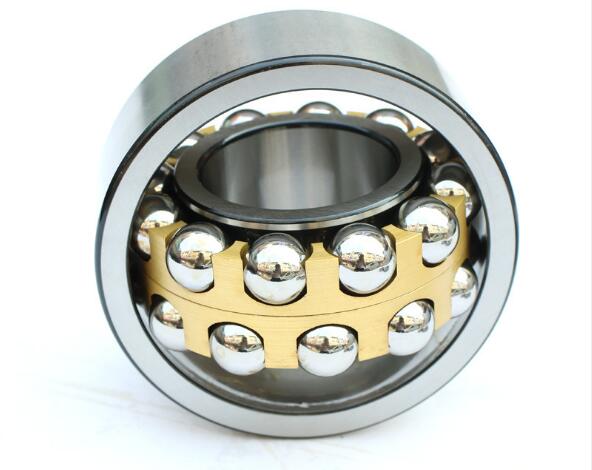
How do self-aligning bearings differ from fixed or non-self-aligning bearings?
Self-aligning bearings differ from fixed or non-self-aligning bearings in several ways. Here’s a detailed explanation of the differences between these types of bearings:
- Design and Construction:
The design and construction of self-aligning bearings are distinct from fixed or non-self-aligning bearings. Self-aligning bearings have a spherical outer ring raceway, which allows for misalignment compensation. In contrast, fixed or non-self-aligning bearings typically have a cylindrical or tapered outer ring raceway, designed for precise alignment between the shaft and the housing.
- Misalignment Compensation:
The primary difference between self-aligning bearings and fixed or non-self-aligning bearings is their ability to compensate for misalignment. Self-aligning bearings can accommodate angular misalignment, axial misalignment, and shaft deflection, whereas fixed or non-self-aligning bearings have limited tolerance for misalignment and require precise alignment during installation.
- Load Distribution:
Self-aligning bearings distribute the load more evenly across the rolling elements and raceways, thanks to their ability to accommodate misalignment. This helps reduce localized stresses and minimize the risk of premature failure. Fixed or non-self-aligning bearings, without the ability to compensate for misalignment, may experience uneven loading and increased stress on specific areas, leading to accelerated wear and potential failure.
- Friction and Wear:
Due to their misalignment compensation capability, self-aligning bearings help reduce friction and wear. Misalignment in fixed or non-self-aligning bearings can cause increased friction and localized wear, leading to reduced bearing life. Self-aligning bearings distribute the load more evenly, minimizing friction and wear on the rolling elements and raceways, resulting in improved reliability and longevity.
- Application Range:
The different design and misalignment compensation capability of self-aligning bearings make them suitable for a broader range of applications compared to fixed or non-self-aligning bearings. Self-aligning bearings are commonly used in applications where misalignment is expected, such as heavy machinery, conveyor systems, and mining equipment. Fixed or non-self-aligning bearings are typically employed in applications that require precise alignment, such as machine tools or high-precision equipment.
- Installation and Maintenance:
Self-aligning bearings offer easier installation and maintenance compared to fixed or non-self-aligning bearings. The self-aligning capability of these bearings allows for more flexibility during the installation process, accommodating slight misalignments. In contrast, fixed or non-self-aligning bearings require careful alignment procedures to ensure proper functioning. Additionally, self-aligning bearings are often designed for easier maintenance, enabling tasks such as re-greasing or replacement without extensive disassembly.
In summary, self-aligning bearings differ from fixed or non-self-aligning bearings in their design, misalignment compensation capability, load distribution, friction and wear characteristics, application range, and ease of installation and maintenance. These differences make self-aligning bearings particularly suitable for applications where misalignment is expected or dynamic operating conditions are present.


editor by CX 2024-04-04