Product Description
Product Description
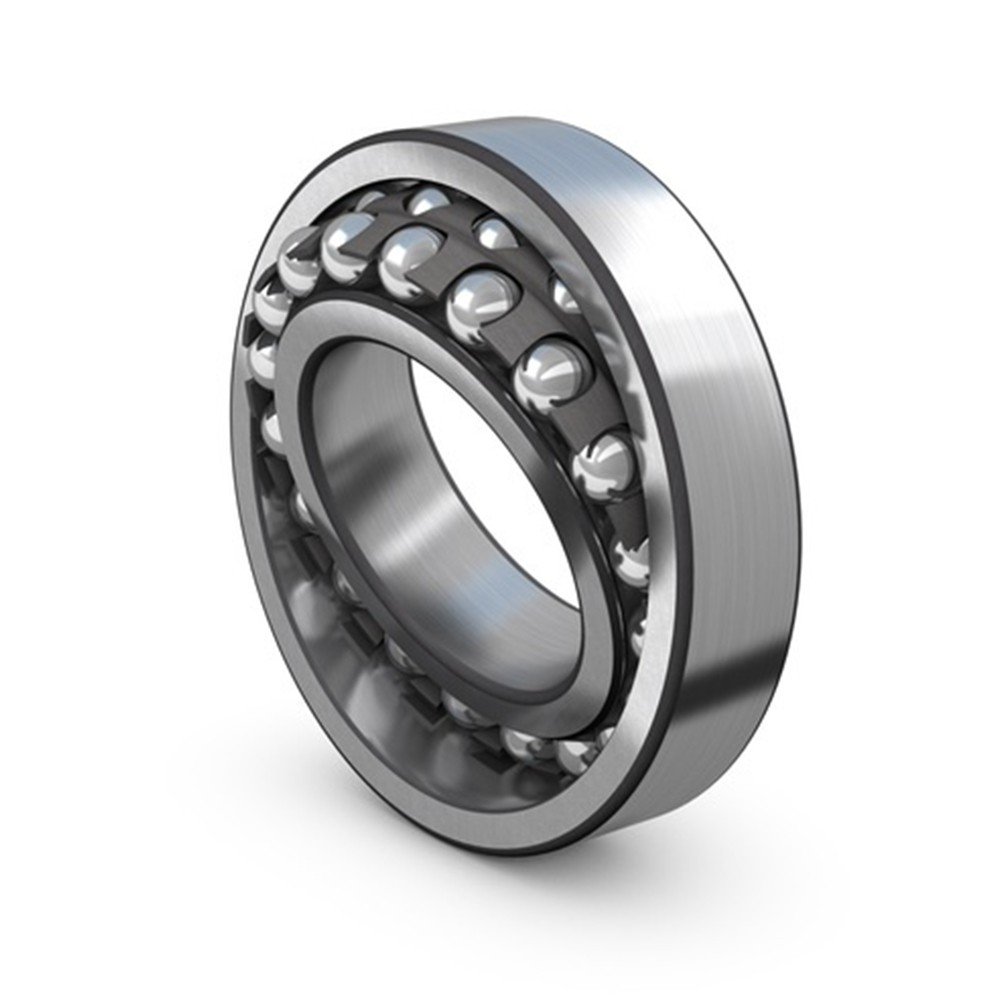
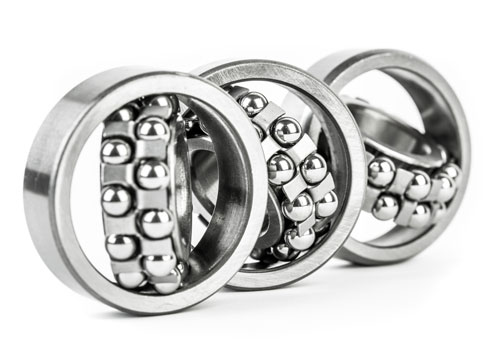
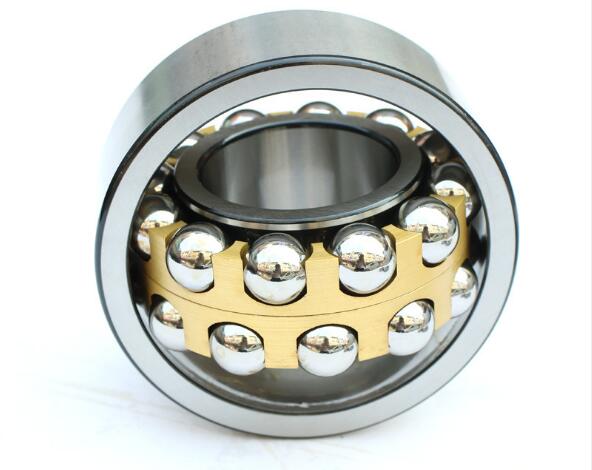
A self-aligning ball bearing has 2 rows of balls with common spherical raceways in the outer ring.
These bearings are made with seal or without seal. They are also available with tapered bore and adapter sleeve.
It has the ability to conciliate the angle error, and also the design of sealed and non-lubricated, so it’s suitable for working conditions without maintenance.
Applications and Industry:
Industrial fans
Agriculture
Material handling
Food and beverage
Pulp and paper
Textile machines
Plastic machinery
Medical equipment
Various industrial machinery.
Product Parameters
Technical specification
Suffix ‘K’—- Tapered bore
Prefix ‘S’— Stainless steel
We can also provide stainless steel self-aligning ball bearings.
| Bearing No. | Boundary Dimensions ( mm ) | Weight (kg) | ||
| Model # | d | D | B | |
| 1200 | 10 | 30 | 9 | 0.034 |
| 1201 | 12 | 32 | 10 | 0.040 |
| 1202 | 15 | 35 | 11 | 0.049 |
| 1203 | 17 | 40 | 12 | 0.073 |
| 1204 | 20 | 47 | 14 | 0.116 |
| 1205 | 25 | 52 | 15 | 0.140 |
| 1205 K | 25 | 52 | 15 | 0.140 |
| 1206 | 30 | 62 | 16 | 0.220 |
| 1206 K | 30 | 62 | 16 | 0.220 |
| 1207 | 35 | 72 | 17 | 0.320 |
| 1207 K | 35 | 72 | 17 | 0.320 |
| 1208 | 40 | 80 | 18 | 0.415 |
| 1208 K | 40 | 80 | 18 | 0.415 |
| 1209 | 45 | 85 | 19 | 0.465 |
| 1209 K | 45 | 85 | 19 | 0.465 |
| 1210 | 50 | 90 | 20 | 0.531 |
| 1210 K | 50 | 90 | 20 | 0.531 |
| 1211 | 55 | 100 | 21 | 0.705 |
| 1211 K | 55 | 100 | 21 | 0.705 |
| 1212 | 60 | 110 | 22 | 0.900 |
| 1212 K | 60 | 110 | 22 | 0.900 |
| 1213 | 65 | 120 | 23 | 1.150 |
| 1213 K | 65 | 120 | 23 | 1.150 |
| 1214 | 70 | 125 | 24 | 1.240 |
| 1215 | 75 | 130 | 25 | 1.390 |
| 1215 K | 75 | 130 | 25 | 1.390 |
| 1216 | 80 | 140 | 26 | 1.700 |
| 1216 K | 80 | 140 | 26 | 1.700 |
| 1217 | 85 | 150 | 28 | 2.060 |
| 1217 K | 85 | 150 | 28 | 2.060 |
| 1218 | 90 | 160 | 30 | 2.590 |
| 1218 K | 90 | 160 | 30 | 2.590 |
| 1219 | 95 | 170 | 32 | 3.100 |
| 1220 | 100 | 180 | 34 | 3.700 |
| 1220 K | 100 | 180 | 34 | 3.700 |
| 1224 | 120 | 215 | 42 | 6.770 |
| 1300 | 10 | 35 | 11 | 0.058 |
| 1301 | 12 | 37 | 12 | 0.067 |
| 1302 | 15 | 42 | 13 | 0.094 |
| 1303 | 17 | 47 | 14 | 0.130 |
| 1304 | 20 | 52 | 15 | 0.165 |
| 1305 | 25 | 62 | 17 | 0.255 |
| H200 Series Adapter Sleeve | ||||||
| No. | Dimension(mm) | Bearing No. | Mass(kg) | |||
| d | d1 | B1 | d2 | Spherical Ball Bearing | ||
| H202 | 15 | 12 | 19 | 25 | 1202K | |
| H203 | 17 | 14 | 20 | 28 | 1203K | |
| H204 | 20 | 17 | 24 | 32 | 1204K | 0.036 |
| H205 | 25 | 20 | 26 | 38 | 1205K | 0.064 |
| H206 | 30 | 25 | 27 | 45 | 1206K | 0.086 |
| H207 | 35 | 30 | 29 | 52 | 1207k | 0.12 |
| H208 | 40 | 35 | 31 | 58 | 1208K | 0.16 |
| H209 | 45 | 40 | 33 | 65 | 1209K | 0.21 |
| H210 | 50 | 45 | 35 | 70 | 1210K | 0.24 |
| H211 | 55 | 50 | 37 | 75 | 1211K | 0.28 |
| H212 | 60 | 55 | 38 | 80 | 1212K | 0.31 |
| H213 | 65 | 60 | 40 | 85 | 1213K | 0.36 |
| H214 | 70 | 60 | 41 | 92 | 1214K | 0.55 |
| H215 | 75 | 65 | 43 | 98 | 1215K | 0.66 |
| H216 | 80 | 70 | 46 | 105 | 1216K | 0.81 |
| H217 | 85 | 75 | 50 | 110 | 1217K | 0.94 |
| H218 | 90 | 80 | 52 | 120 | 1218K | 1.1 |
| H219 | 95 | 85 | 55 | 125 | 1219K | 1.25 |
| H220 | 100 | 90 | 58 | 130 | 1220K | 1.4 |
| H222 | 110 | 100 | 63 | 145 | 1222K | 1.8 |
Packaging & Shipping
Our Advantages
1. We have over 10 years’ experience.
2. OEM or Non-Standard Bearings: Any requirement for Non-standard bearings is easily fulfilled by us due to our vast knowledge and links in the industry.
3. After Sales Service and Technical Assistance: Our company provides after-sales service and technical assistance as per the customer’s requirements and needs.
4. Quick Delivery: Our company provides just-in-time delivery with our streamlined supply chain.
5.We attend promptly to any customer questions. We believe that if our customers are satisfied then it proves our worth. Our customers are always given quick support.
Please contact us immediately if you have any questions.
Related Products
/* March 10, 2571 17:59:20 */!function(){function s(e,r){var a,o={};try{e&&e.split(“,”).forEach(function(e,t){e&&(a=e.match(/(.*?):(.*)$/))&&1
| Cage: | Steel, Brass, Polymer |
|---|---|
| Ball: | Steel, Ceramic |
| Seal Type: | Open, 2RS |
| Samples: |
US$ 0/Piece
1 Piece(Min.Order) | Order Sample |
|---|
| Customization: |
Available
| Customized Request |
|---|
.shipping-cost-tm .tm-status-off{background: none;padding:0;color: #1470cc}
|
Shipping Cost:
Estimated freight per unit. |
about shipping cost and estimated delivery time. |
|---|
| Payment Method: |
|
|---|---|
|
Initial Payment Full Payment |
| Currency: | US$ |
|---|
| Return&refunds: | You can apply for a refund up to 30 days after receipt of the products. |
|---|
Are there specific considerations for choosing self-aligning bearings in applications with challenging operating conditions or varying misalignment requirements?
Yes, there are specific considerations to take into account when choosing self-aligning bearings for applications with challenging operating conditions or varying misalignment requirements. Here’s a detailed explanation:
- Operating Conditions:
When selecting self-aligning bearings for challenging operating conditions, it’s important to consider factors such as temperature, speed, load, and environmental conditions. High temperatures, extreme speeds, heavy loads, and harsh environments can all impact the performance and durability of the bearing. In such cases, it may be necessary to choose self-aligning bearings with special heat-resistant materials, high-speed capabilities, increased load-carrying capacity, or enhanced corrosion resistance. Additionally, proper lubrication selection and maintenance practices become crucial to ensure optimal performance and longevity of the bearings.
- Misalignment Requirements:
Self-aligning bearings are specifically designed to accommodate misalignment between the shaft and the housing. However, different applications may have varying misalignment requirements. It’s important to consider the magnitude and type of misalignment that the bearing will experience. Some self-aligning bearings can accommodate larger misalignments, while others are designed for smaller or specific types of misalignments, such as angular or parallel misalignment. Understanding the misalignment characteristics of the application is essential to select the appropriate self-aligning bearings that can effectively handle the expected misalignment conditions.
- Load Capacity and Dynamic Performance:
In applications with challenging operating conditions, it’s crucial to assess the load capacity and dynamic performance requirements of the self-aligning bearings. Heavy loads, shock loads, or vibrations can significantly affect the bearing’s performance and service life. It’s important to choose self-aligning bearings with adequate load-carrying capacity, high shock resistance, and robust construction to withstand the demanding conditions. Additionally, the dynamic performance of the bearing, including factors such as rotational speed, acceleration, and deceleration, should be carefully evaluated to ensure that the selected bearings can meet the application’s performance requirements.
- Sealing and Contamination Prevention:
In challenging operating conditions, effective sealing and contamination prevention become crucial for self-aligning bearings. Dust, dirt, moisture, and other contaminants can significantly impact the bearing’s performance and service life. It’s important to select self-aligning bearings with appropriate sealing solutions, such as contact seals, non-contact seals, or hybrid seals, depending on the specific application requirements. These seals help prevent the ingress of contaminants and maintain the integrity of the bearing’s internal components, ensuring reliable operation even in harsh environments.
- Lubrication and Maintenance:
Lubrication and maintenance practices are critical considerations for self-aligning bearings in challenging operating conditions. Proper lubrication selection, including the choice of lubricant type, viscosity, and replenishment frequency, is essential to ensure optimal bearing performance and minimize the risk of premature wear or failure. Additionally, adhering to appropriate maintenance practices, such as regular inspections, re-lubrication, and monitoring of operating conditions, can help identify any potential issues early on and prevent costly downtime or unexpected failures.
By considering these specific factors and requirements, engineers can choose the most suitable self-aligning bearings for applications with challenging operating conditions or varying misalignment requirements. Taking into account the unique demands of the application ensures optimal performance, durability, and reliability of the self-aligning bearings in even the most demanding environments.
Can self-aligning bearings be customized or modified for unique industrial needs?
Yes, self-aligning bearings can be customized or modified to meet unique industrial needs. Here’s a detailed explanation:
- Customized Designs:
Manufacturers of self-aligning bearings often offer customization options to accommodate specific industrial requirements. These customization options can include:
- Size and Dimensions: Self-aligning bearings can be customized to different sizes and dimensions, allowing them to fit specific equipment or space constraints within an industrial setting.
- Load Capacity: Manufacturers can modify self-aligning bearings to handle higher or lower load capacities based on the unique demands of an application. This can involve altering the bearing’s internal geometry, material selection, or heat treatment processes.
- Operating Conditions: Customizations can be madeto enhance the performance of self-aligning bearings in specific operating conditions. For example, the bearing’s materials, lubrication, or sealing arrangements can be tailored to withstand extreme temperatures, corrosive environments, or high levels of contamination.
- Mounting Configurations: Self-aligning bearings can be customized to meet specific mounting requirements. This may involve modifying the bearing’s outer ring, inner ring, or flange configurations to ensure proper fit and alignment within a particular industrial setup.
- Sealing and Protection: Manufacturers can provide customized sealing arrangements to prevent the ingress of contaminants or protect the bearing from harsh external conditions. This can include adding specialized seals, shields, or coatings to enhance the bearing’s durability and longevity.
- Lubrication: The lubrication requirements of self-aligning bearings can be customized based on the application’s specific needs. Manufacturers can offer different lubrication options, such as solid lubricants or specialized greases, to optimize performance and minimize maintenance requirements.
- Collaboration with Manufacturers:
When unique industrial needs arise, it is advisable to collaborate closely with the bearing manufacturer or consult with bearing experts. They can provide technical expertise and guidance to assess the specific requirements and propose suitable customizations or modifications to the self-aligning bearings.
It is important to note that customization or modification of self-aligning bearings may involve additional costs and lead time for manufacturing. Therefore, a thorough evaluation of the application’s needs, cost-benefit analysis, and discussions with the manufacturer are essential to determine the feasibility and effectiveness of the customization process.
By leveraging the customization options offered by bearing manufacturers and working in collaboration with experts, self-aligning bearings can be tailored to meet the unique demands of various industries, ensuring optimal performance, reliability, and longevity in specific industrial applications.
How do self-aligning bearings differ from fixed or non-self-aligning bearings?
Self-aligning bearings differ from fixed or non-self-aligning bearings in several ways. Here’s a detailed explanation of the differences between these types of bearings:
- Design and Construction:
The design and construction of self-aligning bearings are distinct from fixed or non-self-aligning bearings. Self-aligning bearings have a spherical outer ring raceway, which allows for misalignment compensation. In contrast, fixed or non-self-aligning bearings typically have a cylindrical or tapered outer ring raceway, designed for precise alignment between the shaft and the housing.
- Misalignment Compensation:
The primary difference between self-aligning bearings and fixed or non-self-aligning bearings is their ability to compensate for misalignment. Self-aligning bearings can accommodate angular misalignment, axial misalignment, and shaft deflection, whereas fixed or non-self-aligning bearings have limited tolerance for misalignment and require precise alignment during installation.
- Load Distribution:
Self-aligning bearings distribute the load more evenly across the rolling elements and raceways, thanks to their ability to accommodate misalignment. This helps reduce localized stresses and minimize the risk of premature failure. Fixed or non-self-aligning bearings, without the ability to compensate for misalignment, may experience uneven loading and increased stress on specific areas, leading to accelerated wear and potential failure.
- Friction and Wear:
Due to their misalignment compensation capability, self-aligning bearings help reduce friction and wear. Misalignment in fixed or non-self-aligning bearings can cause increased friction and localized wear, leading to reduced bearing life. Self-aligning bearings distribute the load more evenly, minimizing friction and wear on the rolling elements and raceways, resulting in improved reliability and longevity.
- Application Range:
The different design and misalignment compensation capability of self-aligning bearings make them suitable for a broader range of applications compared to fixed or non-self-aligning bearings. Self-aligning bearings are commonly used in applications where misalignment is expected, such as heavy machinery, conveyor systems, and mining equipment. Fixed or non-self-aligning bearings are typically employed in applications that require precise alignment, such as machine tools or high-precision equipment.
- Installation and Maintenance:
Self-aligning bearings offer easier installation and maintenance compared to fixed or non-self-aligning bearings. The self-aligning capability of these bearings allows for more flexibility during the installation process, accommodating slight misalignments. In contrast, fixed or non-self-aligning bearings require careful alignment procedures to ensure proper functioning. Additionally, self-aligning bearings are often designed for easier maintenance, enabling tasks such as re-greasing or replacement without extensive disassembly.
In summary, self-aligning bearings differ from fixed or non-self-aligning bearings in their design, misalignment compensation capability, load distribution, friction and wear characteristics, application range, and ease of installation and maintenance. These differences make self-aligning bearings particularly suitable for applications where misalignment is expected or dynamic operating conditions are present.


editor by CX 2024-02-27