Product Description
Company Profile
ZheJiang Furlante Bearing Technology Co is a professional bearing manufacturer with factory and trade. Our company is mainly engaged in deep groove ball bearings,apered roller bearings,External spherical housing bearings,Thrust ball bearings,Linear CZPT bearing system. We have a self-developed team to design and improve the bearings. To meet the needs of different customers. we provide oem and odm,and we have a perfect quality inspection system and professional after-sales service team. we will provide you the best products and services with the most reasonable price.
Product Description
Self Aligning Ball Bearings
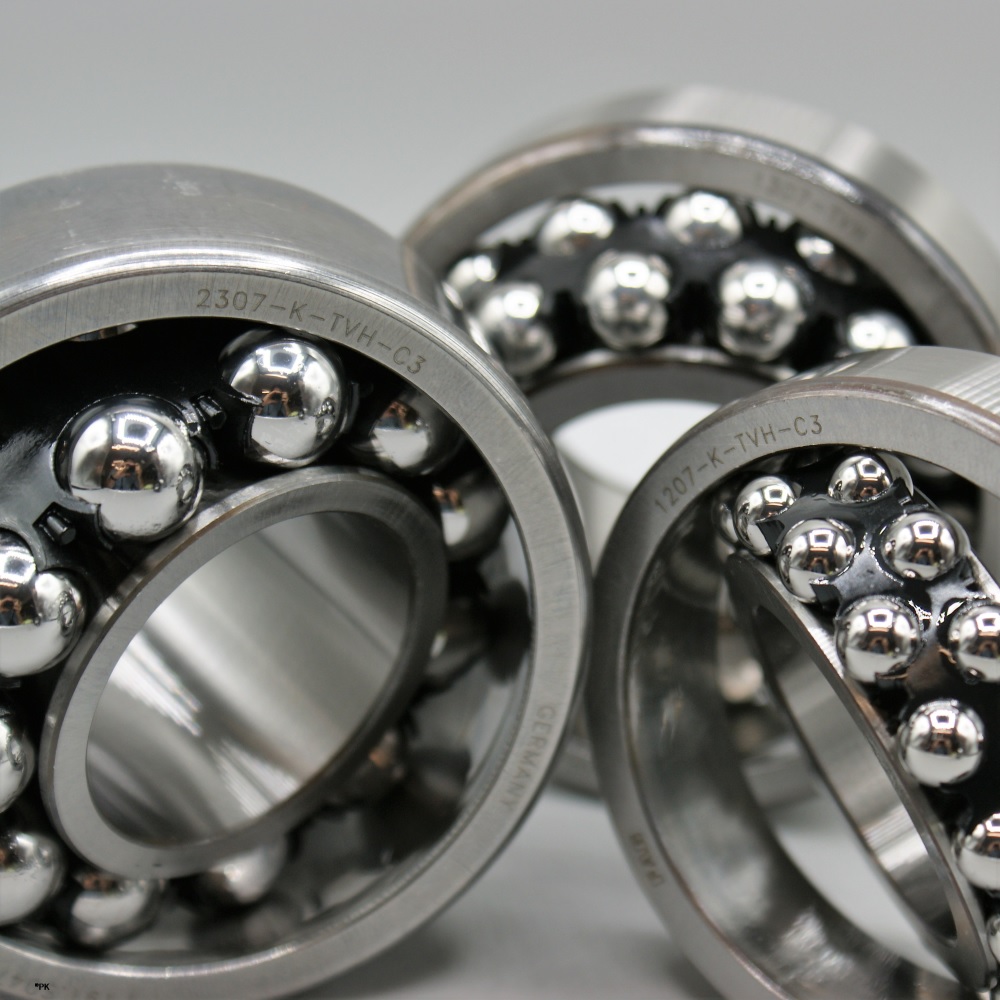
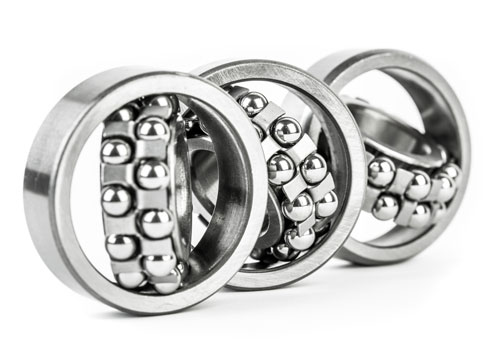
Self aligning ball bearings have 2 rows of balls, a common sphered raceway in the outer ring and 2 deep uninterrupted raceway grooves in the inner ring. Self aligning ball bearings are insensitive to angular misalignment of the shaft relative to the housing, which can be caused, for example, by shaft deflection or housing deformations. Self aligning ball bearings are suitable for applications where the shaft relative to the housing bore is prone to angular misalignments. Under normal loads, depending on the dimensional series, the maximum permissible angular misalignment is approximately 2° to 4°. These bearings are available in open and sealed versions and inner rings with a cylindrical or tapered bore.
| Dimensions(mm) | Basic Load Rating(N) | Weight | ||||
| Bearing Number | d | D | B | Dyn.C | Stat.C0 | kg |
| 1200 | 10 | 30 | 9 | 5480 | 1200 | 0.034 |
| 1201 | 12 | 32 | 10 | 5550 | 1250 | 0.04 |
| 1202 | 15 | 35 | 11 | 7480 | 1750 | 0.049 |
| 1203 | 17 | 40 | 12 | 7900 | 2571 | 0.073 |
| 1204 | 20 | 47 | 14 | 9950 | 2650 | 0.116 |
| 1205 | 25 | 52 | 15 | 12000 | 3300 | 0.14 |
| 1206 | 30 | 62 | 16 | 15800 | 4700 | 0.22 |
| 1207 | 35 | 72 | 17 | 15800 | 5080 | 0.32 |
| 1208 | 40 | 80 | 18 | 19200 | 6400 | 0.415 |
| 1209 | 45 | 85 | 19 | 21800 | 7320 | 0.465 |
| 1210 | 50 | 90 | 20 | 22800 | 8080 | 0.531 |
| 1211 | 55 | 100 | 21 | 26800 | 10000 | 0.705 |
| 1212 | 60 | 110 | 22 | 35710 | 11500 | 0.9 |
| 1213 | 65 | 120 | 23 | 31000 | 12500 | 1.15 |
| 1214 | 70 | 125 | 24 | 34500 | 13500 | 1.24 |
| 1215 | 75 | 130 | 25 | 38800 | 15200 | 1.39 |
| 1216 | 80 | 140 | 26 | 39500 | 16800 | 1.7 |
| 1217 | 85 | 150 | 28 | 48800 | 20500 | 2.06 |
| 1218 | 90 | 160 | 30 | 56500 | 23200 | 2.59 |
| 1219 | 95 | 170 | 32 | 63500 | 27000 | 3.1 |
| 1220 | 100 | 180 | 34 | 67400 | 28400 | 3.7 |
| 1224 | 120 | 215 | 42 | 117000 | 51000 | 6.77 |
| 1300 | 10 | 35 | 11 | 7220 | 1620 | 0.058 |
| 1301 | 12 | 37 | 12 | 9420 | 2120 | 0.067 |
| 1302 | 15 | 42 | 13 | 9500 | 2280 | 0.094 |
| 1303 | 17 | 47 | 14 | 12500 | 3180 | 0.13 |
| 1304 | 20 | 52 | 15 | 12500 | 3380 | 0.165 |
| 1305 | 25 | 62 | 17 | 17800 | 5050 | 0.255 |
| 1306 | 30 | 72 | 19 | 21500 | 6280 | 0.385 |
| 1307 | 35 | 80 | 21 | 25000 | 7950 | 0.51 |
| 1308 | 40 | 90 | 23 | 29500 | 9500 | 0.715 |
| 1309 | 45 | 100 | 25 | 38000 | 12800 | 0.955 |
| 1310 | 50 | 110 | 27 | 43200 | 14200 | 1.2 |
| 1311 | 55 | 120 | 29 | 51500 | 18200 | 1.6 |
| 1312 | 60 | 130 | 31 | 57200 | 21200 | 1.95 |
| 1313 | 65 | 140 | 33 | 61800 | 22800 | 2.42 |
| 1314 | 70 | 150 | 35 | 74500 | 27500 | 3 |
| 1315 | 75 | 160 | 37 | 79000 | 29800 | 3.55 |
| 1316 | 80 | 170 | 39 | 86700 | 31400 | 4.17 |
| 1317 | 85 | 180 | 41 | 97800 | 37800 | 5 |
| 1318 | 90 | 190 | 43 | 115000 | 42000 | 5.8 |
| 1318 | 90 | 190 | 43 | 115000 | 42000 | 5.8 |
| 1319 | 95 | 200 | 45 | 132000 | 50800 | 6.7 |
| 1320 | 100 | 215 | 47 | 141000 | 55000 | 8.3 |
| 1322 | 110 | 240 | 50 | 161000 | 70000 | 12 |
| 2200 | 10 | 30 | 14 | 8000 | 1800 | 0.048 |
| 2201 | 12 | 32 | 14 | 8400 | 1900 | 0.052 |
| 2202 | 15 | 35 | 14 | 8600 | 2000 | 0.056 |
| 2203 | 17 | 40 | 16 | 10400 | 2500 | 0.087 |
| 2204 | 20 | 47 | 18 | 16400 | 4100 | 0.13 |
| 2205 | 25 | 52 | 18 | 15200 | 3900 | 0.16 |
| 2206 | 30 | 62 | 20 | 15200 | 4600 | 0.26 |
| 2207 | 35 | 72 | 23 | 21800 | 6650 | 0.405 |
| 2208 | 40 | 80 | 23 | 22500 | 7380 | 0.505 |
| 2209 | 45 | 85 | 23 | 23200 | 8000 | 0.54 |
| 2210 | 50 | 90 | 23 | 23200 | 8450 | 0.58 |
| 2211 | 55 | 100 | 25 | 26800 | 9950 | 0.8 |
| 2212 | 60 | 110 | 28 | 34000 | 12500 | 1.09 |
| 2213 | 65 | 120 | 31 | 43500 | 16200 | 1.45 |
| 2214 | 70 | 125 | 31 | 44000 | 17000 | 1.5 |
| 2215 | 75 | 130 | 31 | 44200 | 18000 | 1.6 |
| 2216 | 80 | 140 | 33 | 48800 | 25710 | 2.15 |
| 2217 | 85 | 150 | 36 | 58200 | 23500 | 2.67 |
| 2218 | 90 | 160 | 40 | 70000 | 28500 | 3.37 |
| 2220 | 100 | 180 | 46 | 97200 | 40500 | 4.94 |
| 2300 | 10 | 35 | 17 | 10000 | 2100 | 0.08 |
| 2301 | 12 | 37 | 17 | 11400 | 2600 | 0.091 |
| 2302 | 15 | 42 | 17 | 11800 | 2800 | 0.108 |
| 2303 | 17 | 47 | 19 | 14300 | 3500 | 0.168 |
| 2304 | 20 | 52 | 21 | 17800 | 4750 | 0.21 |
| 2305 | 25 | 62 | 24 | 24500 | 6480 | 0.335 |
| 2306 | 30 | 72 | 27 | 31500 | 8680 | 0.5 |
| 2307 | 35 | 80 | 31 | 39200 | 11000 | 0.675 |
| 2308 | 40 | 90 | 33 | 44800 | 13200 | 0.925 |
| 2309 | 45 | 100 | 36 | 55000 | 16200 | 1.23 |
| 2310 | 50 | 110 | 40 | 64500 | 19800 | 1.63 |
| 2311 | 55 | 120 | 43 | 75200 | 23500 | 2.09 |
| 2312 | 60 | 130 | 46 | 86800 | 27500 | 2.6 |
| 2313 | 65 | 140 | 48 | 96000 | 32500 | 3.2 |
| 2314 | 70 | 150 | 51 | 110000 | 37500 | 3.92 |
| 2315 | 75 | 160 | 55 | 122000 | 42800 | 4.78 |
| 2316 | 80 | 170 | 58 | 128000 | 45500 | 5.65 |
/* January 22, 2571 19:08:37 */!function(){function s(e,r){var a,o={};try{e&&e.split(“,”).forEach(function(e,t){e&&(a=e.match(/(.*?):(.*)$/))&&1
| Contact Angle: | Normal |
|---|---|
| Aligning: | Aligning Bearing |
| Separated: | Unseparated |
| Rows Number: | Double |
| Load Direction: | Radial Bearing |
| Material: | Bearing Steel |
| Samples: |
US$ 5/Piece
1 Piece(Min.Order) | |
|---|
| Customization: |
Available
| Customized Request |
|---|
Can you describe the various types of seals and shields used with self-aligning bearings for contamination prevention?
Yes, here’s a detailed description of the various types of seals and shields used with self-aligning bearings for contamination prevention:
- Contact Seals:
Contact seals, also known as lip seals or radial seals, are commonly used with self-aligning bearings to prevent the ingress of contaminants. These seals feature a flexible lip that makes contact with the inner ring of the bearing, creating a barrier against dust, dirt, water, and other external substances. Contact seals provide effective contamination prevention but may introduce slightly higher friction due to the contact between the seal lip and the bearing surface. They are typically made of rubber or synthetic materials and offer good sealing performance in most operating conditions.
- Felt Seals:
Felt seals are simple and cost-effective sealing solutions used with self-aligning bearings. They consist of a felt material that is compressed against the bearing inner ring or housing to create a barrier against contaminants. Felt seals are commonly used in applications with low to moderate speeds and light contamination levels. While they offer basic protection against solid particles, they may not provide effective sealing against liquids or fine particles.
- Metallic Shields:
Metallic shields, also known as metal shields or non-contact shields, are used to protect self-aligning bearings from solid contaminants such as dust and dirt. These shields are typically made of steel or other metals and are designed to fit closely to the bearing inner ring without making contact. Metallic shields provide effective protection while minimizing friction and heat generation. They are suitable for high-speed applications where low torque and minimal drag are desired.
- Rubber Shields:
Rubber shields, also known as non-contact seals or labyrinth seals, consist of a rubber or elastomeric material that forms a barrier around the bearing without making direct contact. Rubber shields are designed with a labyrinth-like structure that uses multiple barriers to prevent the entry of contaminants. These shields provide effective sealing against both solid particles and liquids while still allowing for low-friction operation. Rubber shields are commonly used in applications where low torque, minimal drag, and enhanced contamination protection are required.
- Hybrid Seals:
Hybrid seals combine the advantages of different sealing technologies to provide optimal contamination prevention. These seals may incorporate a combination of contact seals, non-contact shields, or additional features such as flingers or slingers. Hybrid seals are designed to provide enhanced protection against a wide range of contaminants while minimizing friction and maintaining low torque. They are often used in demanding applications where a high level of sealing performance is required.
- Additional Features:
In addition to the primary seals and shields mentioned above, some self-aligning bearings may incorporate additional features to enhance contamination prevention. These features include flingers, which are rotating discs or rings that help to deflect contaminants away from the bearing; slingers, which are similar to flingers but operate by centrifugal force; and specialized coatings or surface treatments that provide enhanced resistance to corrosion or chemical attack.
It’s important to consult the bearing manufacturer’s specifications and guidelines to select the appropriate type of seal or shield for a specific self-aligning bearing and its operating conditions. By choosing the right sealing solution, engineers can effectively prevent contamination and prolong the service life of self-aligning bearings in various applications.

How do self-aligning bearings perform in applications with varying loads and misalignment challenges?
Self-aligning bearings are specifically designed to perform exceptionally well in applications with varying loads and misalignment challenges. Here’s an in-depth explanation of their performance characteristics:
- Misalignment Compensation:
Self-aligning bearings are capable of accommodating various types of misalignment, including angular misalignment and shaft deflection. They feature a design that incorporates two rows of rolling elements, such as balls or rollers, and a spherical outer ring raceway. This design allows the bearing to self-align, adapting to misalignment caused by factors such as shaft deflection, mounting errors, thermal expansion, and vibrations. Self-aligning bearings can handle misalignment within certain limits, maintaining proper alignment between the mating components and minimizing additional stresses on the bearing.
- Load-Carrying Capacity:
Self-aligning bearings are engineered to handle high loads, both radial and axial. They have a robust construction with larger rolling elements and increased contact area, enabling them to distribute the load more effectively. This enhanced load-carrying capacity makes self-aligning bearings suitable for applications where varying loads are encountered. Whether it’s fluctuating radial loads, axial loads, or a combination of both, self-aligning bearings can handle the dynamic forces and provide reliable performance.
- Flexibility and Versatility:
Self-aligning bearings offer flexibility and versatility in applications with varying loads and misalignment challenges. They can operate in conditions where shafts are not perfectly aligned or where there are slight shaft movements. This flexibility allows for easier installation and alignment adjustments, reducing the time and effort required for precise positioning of the bearing. Additionally, self-aligning bearings are available in different designs and configurations, including ball bearings and roller bearings, providing options to match specific application requirements.
- Reduced Friction and Heat Generation:
Self-aligning bearings are designed to minimize friction and heat generation during operation. The rolling elements and raceways are precisely engineered to reduce contact stresses and optimize the distribution of forces. This results in lower friction levels and reduced heat buildup, enhancing the overall efficiency and reliability of the bearing in applications where varying loads and misalignment challenges are present.
- Extended Service Life:
Due to their ability to accommodate misalignment and handle varying loads, self-aligning bearings contribute to an extended service life of the machinery. By reducing the stresses and excessive forces on the bearing and its surrounding components, self-aligning bearings help minimize wear, prevent premature failure, and increase the overall durability of the equipment.
In summary, self-aligning bearings excel in applications with varying loads and misalignment challenges. Their ability to compensate for misalignment, handle high loads, provide flexibility in installation, and reduce friction and heat generation makes them well-suited for industries such as mining, construction, paper manufacturing, steel production, and many others where these challenges are prevalent.
Can you explain the advantages and unique features of self-aligning bearings?
Self-aligning bearings offer several advantages and unique features that make them suitable for a wide range of applications. Here’s a detailed explanation of the advantages and unique features of self-aligning bearings:
- Misalignment Compensation:
One of the primary advantages of self-aligning bearings is their ability to accommodate misalignment between the shaft and the housing. This includes angular misalignment, axial misalignment, and shaft deflection. The self-aligning design allows the bearing to adjust its position and compensate for these misalignments, ensuring smooth operation and reducing stress on the bearing components.
- Reduced Friction and Wear:
Self-aligning bearings help reduce friction and wear in machinery. By accommodating misalignment, they distribute the load more evenly across the rolling elements and raceways, minimizing localized stresses. This results in lower friction, reduced wear, and longer bearing life. Additionally, the self-aligning capability helps prevent excessive heat generation, which can further contribute to reduced friction and wear.
- Shock and Vibration Absorption:
Self-aligning bearings have the unique ability to absorb shocks and vibrations that occur during operation. The spherical outer ring raceway allows the bearing to move and adjust its position, effectively dampening the impact of shocks and vibrations. This helps improve the overall stability of the machinery, reduces the transmission of vibrations, and protects other components from excessive forces.
- Easy Installation and Maintenance:
Self-aligning bearings are relatively easy to install and maintain. During installation, their self-aligning capability simplifies the alignment process, as slight misalignments can be accommodated. This saves time and effort in achieving precise alignment. Additionally, self-aligning bearings are typically designed for easy maintenance, allowing for straightforward tasks such as re-greasing or replacement without requiring complex disassembly.
- Wide Application Range:
Self-aligning bearings are versatile and find applications in various industries and machinery. They are commonly used in applications where misalignment is expected, such as in heavy machinery, conveyor systems, agricultural equipment, and mining operations. The ability to accommodate misalignment makes self-aligning bearings suitable for challenging environments and dynamic operating conditions.
- Cost-Effective Solution:
Self-aligning bearings offer a cost-effective solution in many applications. Their ability to compensate for misalignment helps prevent premature failure and reduces the need for frequent maintenance or realignment. This can result in cost savings by extending the bearing’s service life, improving overall machinery reliability, and reducing downtime for repairs or replacements.
In summary, self-aligning bearings provide advantages such as misalignment compensation, reduced friction and wear, shock and vibration absorption, easy installation and maintenance, wide application range, and cost-effectiveness. These unique features make them a valuable choice for various industries and applications where misalignment and dynamic operating conditions are present.


editor by CX 2024-03-24