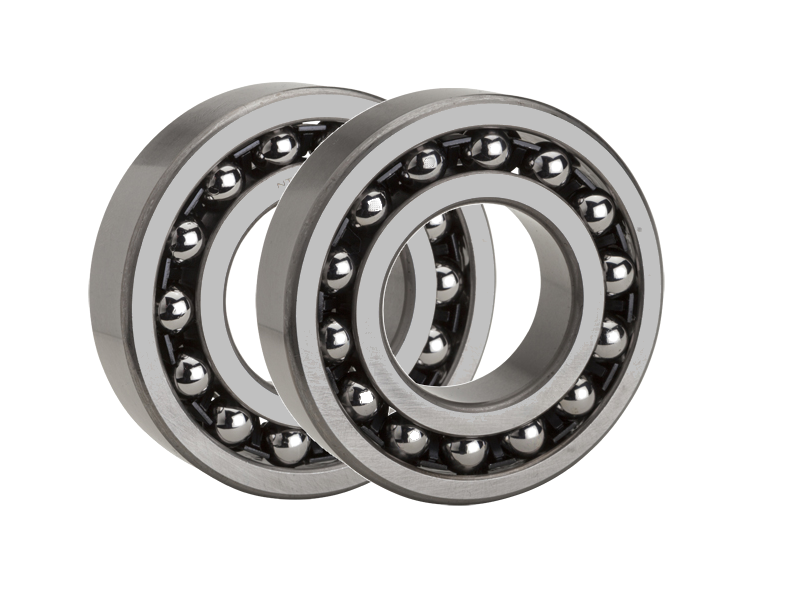
What are the eco-friendly or sustainable aspects of self-aligning bearing materials?
Self-aligning bearings can incorporate eco-friendly or sustainable aspects in their material composition. Here’s a detailed explanation:
- Recyclable Materials:
Many self-aligning bearings are made from materials that are recyclable. Steel, which is commonly used for bearing rings and rolling elements, is highly recyclable and can be processed and reused multiple times without significant loss of properties. By choosing self-aligning bearings made from recyclable materials, the environmental impact associated with the disposal and production of bearings can be reduced.
- Low Environmental Footprint:
The production of self-aligning bearings involves various manufacturing processes. Manufacturers often strive to optimize these processes to minimize energy consumption, reduce waste generation, and lower greenhouse gas emissions. By improving energy efficiency and reducing environmental footprint during production, self-aligning bearing manufacturers contribute to sustainable practices.
- Reduced Material Consumption:
The design and development of self-aligning bearings focus on optimizing their performance while minimizing material consumption. Through advanced engineering techniques, including material selection, design optimization, and improved manufacturing processes, manufacturers can reduce the amount of material required to produce self-aligning bearings. This not only helps to conserve natural resources but also reduces the overall weight of the bearing, leading to lower energy consumption during operation.
- Alternative Materials:
In recent years, there have been advancements in the development of alternative bearing materials that offer improved sustainability characteristics. For example:
- Ceramic Bearings: Ceramic materials, such as silicon nitride or zirconia, are increasingly used in self-aligning bearings due to their excellent wear resistance, corrosion resistance, and high-temperature capabilities. Ceramic bearings can contribute to sustainability by reducing the need for lubrication, extending maintenance intervals, and minimizing the use of lubricants that may have environmental impacts.
- Polymer Bearings: Self-aligning bearings made from polymer materials, such as reinforced plastics or engineered polymers, offer advantages such as self-lubrication, resistance to corrosion and chemicals, and reduced weight. Polymer bearings can provide sustainability benefits by eliminating the need for external lubrication, reducing friction and energy consumption, and offering potential for longer service life.
- Extended Service Life:
Self-aligning bearings with extended service life contribute to sustainability by reducing the frequency of bearing replacements and associated waste generation. Advancements in bearing materials, surface treatments, and lubrication technologies have led to improved durability and longer operating life, resulting in reduced environmental impact and lower maintenance requirements.
It’s important to note that while self-aligning bearing materials can have eco-friendly or sustainable aspects, the overall sustainability of an application or system also depends on other factors, such as energy efficiency, proper maintenance practices, and end-of-life disposal considerations. Therefore, a holistic approach considering the entire lifecycle of the equipment and its components is essential for achieving sustainable practices.
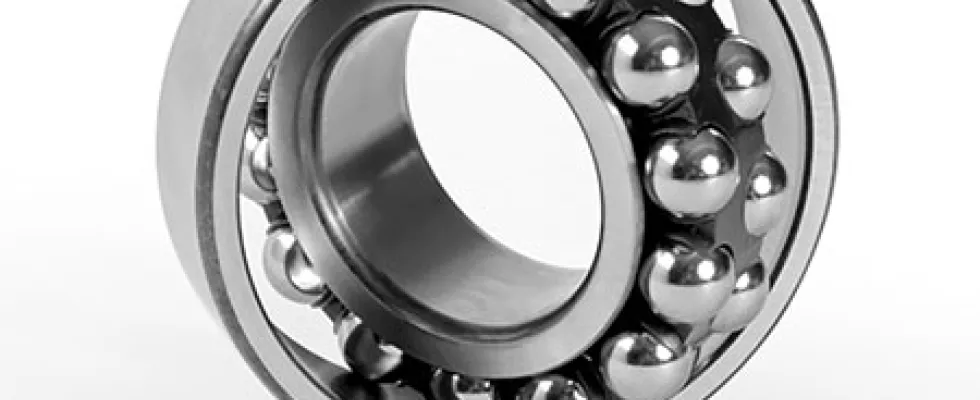
What are the potential challenges or limitations associated with using self-aligning bearings in specific industries?
While self-aligning bearings offer many advantages, there are some potential challenges and limitations associated with their use in specific industries. Here’s a detailed explanation of these considerations:
- Load Capacity:
While self-aligning bearings are designed to handle high loads, there are limits to their load-carrying capacity. In industries with extremely heavy or shock loads, such as heavy machinery, mining, or construction, the load demands may exceed the capabilities of self-aligning bearings. In such cases, alternative bearing designs or additional support mechanisms may be required to handle the extreme load conditions.
- Speed Limitations:
Self-aligning bearings may have certain speed limitations due to factors such as centrifugal forces, increased friction, or potential instability at high rotational speeds. In industries that require very high-speed applications, such as aerospace or certain manufacturing processes, specialized high-speed bearings may be more suitable to ensure optimal performance and prevent premature failure.
- Temperature and Environmental Constraints:
Self-aligning bearings have specific temperature and environmental constraints that can impact their performance. In industries involving extreme temperatures, aggressive chemicals, or harsh environmental conditions, the choice of bearing materials and lubricants becomes critical. Certain industries, such as oil and gas, chemical processing, or marine applications, may require specialized bearing designs or coatings to withstand the demanding operating conditions.
- Maintenance and Lubrication:
Proper maintenance and lubrication are essential for the reliable operation of self-aligning bearings. In industries where access for maintenance is challenging or where frequent maintenance is not feasible, the longevity and performance of self-aligning bearings may be compromised. Additionally, industries with high contamination or abrasive particles in the operating environment may require more frequent lubrication or specialized sealing arrangements to protect the bearings from premature wear and failure.
- Space Limitations:
Self-aligning bearings have a larger footprint compared to some other bearing designs due to their double-row construction and spherical outer ring raceway. In industries with space constraints or compact machinery designs, the dimensions of self-aligning bearings may pose challenges in terms of integration or fitting within limited spaces. In such cases, alternative bearing designs with smaller profiles may be more suitable.
- Cost Considerations:
Self-aligning bearings can be more expensive compared to certain other bearing types, especially in applications that require larger sizes or specialized configurations. In industries with cost-sensitive considerations, such as consumer products or automotive manufacturing, the higher cost of self-aligning bearings may influence the selection of alternative bearing options that can meet the application requirements at a lower cost.
While self-aligning bearings offer numerous benefits, it is important to carefully evaluate the specific challenges and limitations in each industry or application. By considering these factors and consulting with bearing experts or manufacturers, the most suitable bearing solution can be selected to ensure optimal performance, reliability, and cost-effectiveness.
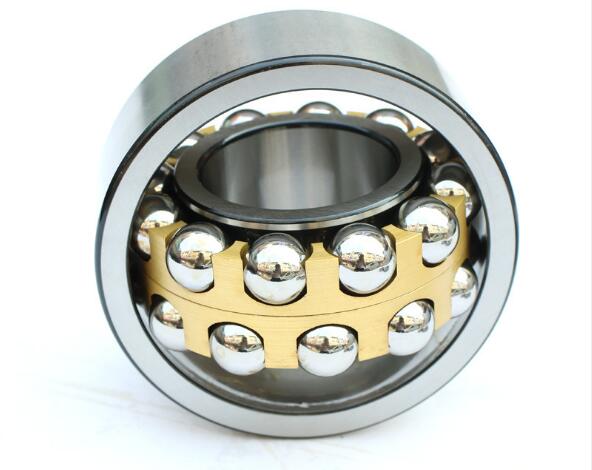
How do self-aligning bearings differ from fixed or non-self-aligning bearings?
Self-aligning bearings differ from fixed or non-self-aligning bearings in several ways. Here’s a detailed explanation of the differences between these types of bearings:
- Design and Construction:
The design and construction of self-aligning bearings are distinct from fixed or non-self-aligning bearings. Self-aligning bearings have a spherical outer ring raceway, which allows for misalignment compensation. In contrast, fixed or non-self-aligning bearings typically have a cylindrical or tapered outer ring raceway, designed for precise alignment between the shaft and the housing.
- Misalignment Compensation:
The primary difference between self-aligning bearings and fixed or non-self-aligning bearings is their ability to compensate for misalignment. Self-aligning bearings can accommodate angular misalignment, axial misalignment, and shaft deflection, whereas fixed or non-self-aligning bearings have limited tolerance for misalignment and require precise alignment during installation.
- Load Distribution:
Self-aligning bearings distribute the load more evenly across the rolling elements and raceways, thanks to their ability to accommodate misalignment. This helps reduce localized stresses and minimize the risk of premature failure. Fixed or non-self-aligning bearings, without the ability to compensate for misalignment, may experience uneven loading and increased stress on specific areas, leading to accelerated wear and potential failure.
- Friction and Wear:
Due to their misalignment compensation capability, self-aligning bearings help reduce friction and wear. Misalignment in fixed or non-self-aligning bearings can cause increased friction and localized wear, leading to reduced bearing life. Self-aligning bearings distribute the load more evenly, minimizing friction and wear on the rolling elements and raceways, resulting in improved reliability and longevity.
- Application Range:
The different design and misalignment compensation capability of self-aligning bearings make them suitable for a broader range of applications compared to fixed or non-self-aligning bearings. Self-aligning bearings are commonly used in applications where misalignment is expected, such as heavy machinery, conveyor systems, and mining equipment. Fixed or non-self-aligning bearings are typically employed in applications that require precise alignment, such as machine tools or high-precision equipment.
- Installation and Maintenance:
Self-aligning bearings offer easier installation and maintenance compared to fixed or non-self-aligning bearings. The self-aligning capability of these bearings allows for more flexibility during the installation process, accommodating slight misalignments. In contrast, fixed or non-self-aligning bearings require careful alignment procedures to ensure proper functioning. Additionally, self-aligning bearings are often designed for easier maintenance, enabling tasks such as re-greasing or replacement without extensive disassembly.
In summary, self-aligning bearings differ from fixed or non-self-aligning bearings in their design, misalignment compensation capability, load distribution, friction and wear characteristics, application range, and ease of installation and maintenance. These differences make self-aligning bearings particularly suitable for applications where misalignment is expected or dynamic operating conditions are present.


editor by CX 2024-02-08