Product Description
REET bearing manufacture a full range of deep groove ball bearings. These bearings are the most common type and are used in a wide variety of applications.Miniature and instrument ball bearings can be divided into 2 basic types, deep groove and angular contact.
REET bearing company specializes in the production of high temperature endurance bearing series and ceramic ball bearings.Deep groove ball bearings are widely used in the industrial field and are highly valued by many countries.
| 6000 series | ||||||
| Model | Size | Rated dynamic load (KN) | Rated static load (KN) | Weight (kg) | ||
| (mm) | ||||||
| d | D | B | ||||
| 6008 | 40 | 68 | 15 | 17.03 | 11.7 | 0.184 |
| 6009 | 45 | 75 | 16 | 21.09 | 14.77 | 0.23 |
| 6571 | 50 | 80 | 16 | 22.02 | 16.25 | 0.257 |
| 6011 | 55 | 90 | 18 | 26.61 | 20.07 | 0.383 |
| 6012 | 60 | 95 | 18 | 31.66 | 24.22 | 0.382 |
| 6013 | 65 | 100 | 18 | 32.06 | 24.89 | 0.41 |
| 6014 | 70 | 110 | 20 | 38.59 | 30.43 | 0.576 |
| 6015 | 75 | 115 | 20 | 40.18 | 33.18 | 0.622 |
| 6016 | 80 | 125 | 22 | 47.54 | 39.79 | 0.822 |
| 6017 | 85 | 130 | 22 | 50.75 | 42.89 | 0.892 |
| 6018 | 90 | 140 | 24 | 58.02 | 49.78 | 1.013 |
| 6019 | 95 | 145 | 24 | 57.79 | 50.09 | 1.156 |
| 6571 | 100 | 150 | 24 | 64.46 | 56.13 | 1.62 |
| 6571 | 105 | 160 | 26 | 71.92 | 63.32 | 1.52 |
| 6571 | 110 | 170 | 28 | 81.89 | 72.86 | 1.691 |
| 6571 | 120 | 180 | 28 | 87.69 | 79.35 | 1.99 |
| 6026 | 130 | 200 | 33 | 105.08 | 96.82 | 3.073 |
| 6571 | 140 | 210 | 33 | 116.33 | 108.5 | 3.14 |
| 6030 | 150 | 225 | 35 | 131.71 | 124.55 | 3.74 |
| 6032 | 160 | 240 | 38 | 143.42 | 137.81 | 5.3 |
| 6200 series | ||||||
| Model | Size | Rated dynamic load (KN) | Rated static load (KN) | Weight (kg) | ||
| (mm) | ||||||
| d | D | B | ||||
| 6206 | 30 | 62 | 16 | 19.46 | 11.31 | 0.202 |
| 6207 | 35 | 72 | 17 | 25.67 | 15.3 | 0.285 |
| 6208 | 40 | 80 | 18 | 29.52 | 18.14 | 0.365 |
| 6209 | 45 | 85 | 19 | 31.67 | 20.68 | 0.405 |
| 6210 | 50 | 90 | 20 | 35.07 | 23.18 | 0.465 |
| 6211 | 55 | 100 | 21 | 43.38 | 29.22 | 0.592 |
| 6212 | 60 | 110 | 22 | 47.76 | 32.93 | 0.788 |
| 6213 | 65 | 120 | 23 | 57.21 | 40 | 0.948 |
| 6214 | 70 | 125 | 24 | 60.83 | 45.03 | 1.07 |
| 6215 | 75 | 130 | 25 | 66.11 | 49.5 | 1.185 |
| 6216 | 80 | 140 | 26 | 71.55 | 54.3 | 1.405 |
| 6217 | 85 | 150 | 28 | 83.21 | 63.96 | 1.78 |
| 6218 | 90 | 160 | 30 | 95.98 | 71.45 | 2.157 |
| 6219 | 95 | 170 | 32 | 110.28 | 82.81 | 2.62 |
| 6220 | 100 | 180 | 34 | 122.14 | 92.72 | 3.233 |
| 6221 | 105 | 190 | 36 | 132.99 | 104.45 | 3.782 |
| 6222 | 110 | 200 | 38 | 144.07 | 117.06 | 4.421 |
| 6224 | 120 | 215 | 40 | 155.32 | 130.99 | 5.3 |
| 6226 | 130 | 230 | 40 | 35.62 | 165.04 | 6.11 |
| 6228 | 140 | 250 | 42 | 43.11 | 179.14 | 7.75 |
| 6230 | 150 | 270 | 45 | 203.26 | 198.98 | 9.77 |
| 6300 series | ||||||
| Model | Size | Rated dynamic load (KN) | Rated static load (KN) | Weight (kg) | ||
| (mm) | ||||||
| d | D | B | ||||
| 6306 | 30 | 72 | 19 | 27 | 15.19 | 0.347 |
| 6307 | 35 | 80 | 21 | 33.36 | 19.21 | 0.454 |
| 6308 | 40 | 90 | 23 | 40.75 | 24.01 | 0.633 |
| 6309 | 45 | 100 | 25 | 52.86 | 31.83 | 0.836 |
| 6310 | 50 | 110 | 27 | 61.86 | 37.94 | 1.081 |
| 6311 | 55 | 120 | 29 | 71.57 | 44.76 | 1.369 |
| 6312 | 60 | 130 | 31 | 81.75 | 51.85 | 1.706 |
| 6313 | 65 | 140 | 33 | 93.87 | 60.44 | 2.097 |
| 6314 | 70 | 150 | 35 | 104.13 | 68.04 | 2.435 |
| 6315 | 75 | 160 | 37 | 113.42 | 76.97 | 2.987 |
| 6316 | 80 | 170 | 39 | 122.94 | 86.5 | 3.612 |
| 6317 | 85 | 180 | 41 | 132.67 | 96.58 | 4.284 |
| 6318 | 90 | 190 | 43 | 144.05 | 108.49 | 4.979 |
| 6319 | 95 | 200 | 45 | 156.66 | 121.98 | 5.74 |
| 6320 | 100 | 215 | 47 | 172.98 | 140.39 | 7.09 |
| 6321 | 105 | 225 | 49 | 183.69 | 153.08 | 8.03 |
| 6322 | 110 | 240 | 50 | 204.96 | 178.31 | 9.5 |
| 6324 | 120 | 260 | 55 | 227.59 | 207.4 | 12.2 |
| 6400 series | ||||||
| Model | Size | Rated dynamic load (KN) | Rated static load (KN) | Weight (kg) | ||
| (mm) | ||||||
| d | D | B | ||||
| 6406 | 30 | 90 | 23 | 47.33 | 24.5 | 0.712 |
| 6407 | 35 | 100 | 25 | 55.74 | 29.35 | 0.922 |
| 6408 | 40 | 110 | 27 | 63.71 | 36.58 | 1.218 |
| 6409 | 45 | 120 | 29 | 77.38 | 45.38 | 1.495 |
| 6410 | 50 | 130 | 31 | 92.29 | 55.13 | 1.86 |
| 6411 | 55 | 140 | 33 | 100.67 | 62.45 | 2.4 |
| 6412 | 60 | 150 | 35 | 109.11 | 70.06 | 2.82 |
| 6413 | 65 | 160 | 37 | 118.14 | 78.57 | 3.35 |
| 6414 | 70 | 180 | 42 | 139.5 | 99.56 | 4.64 |
| 6415 | 75 | 190 | 45 | 153.75 | 114.32 | 5.69 |
| 6416 | 80 | 200 | 48 | 163.22 | 124.55 | 6.74 |
| 6417 | 85 | 210 | 52 | 174.9 | 137.49 | 7.91 |
| 6418 | 90 | 225 | 54 | 192.48 | 157.63 | 9.55 |
| 6420 | 100 | 250 | 58 | 223.08 | 194.61 | 12.813 |
ZheJiang REET BEARING.CO.,LTD is a professional bearing manufacturer and exporter.
We have a wealth of technical.All producing processes are finished in our manufactory. As an ISO9001:2000 certified manufacturer,we will solve various problems in application and use of our bearings.
Our company is an authorized distributor of FAG, INA, CZPT and other world brand bearings.Our company has the right to self-export bearings and launches its own brand RTB.
Our bearing had been exported to more than 20 countries worldwide and are warmly welcomed.
We’re looking forward to your order.
FAQ
1.Is the company a production factory or a trading company?
ZheJiang REET BEARING CO.,LTD is a manufacturing enterprise focusing on bearings and integrating research, production and sales.
2.How many the MOQ of your company?
Depending on the size of the bearing, the MOQ is variable, if you are interested, you can contact me for a quote.
3.Does the company accept OEM or customized bearings?
In addition to standard products, we also supply non-standard and modified standard products for special application. Meanwhile, we provide OEM service.
4.Can the company provide free samples?
We can provide samples for free. You only need to provide shipping.
5.What are the company’s delivery terms?
We can accept EXW,FOB,CFR,CIF,etc. You can choose the 1 which is the most convenient cost effective for you.
/* March 10, 2571 17:59:20 */!function(){function s(e,r){var a,o={};try{e&&e.split(“,”).forEach(function(e,t){e&&(a=e.match(/(.*?):(.*)$/))&&1
| Rated Dynamic Load: | 38.59kn |
|---|---|
| Rated Static Load: | 30.43kn |
| Weight: | 0.576kg |
| Samples: |
US$ 23/Piece
1 Piece(Min.Order) | Order Sample |
|---|
| Customization: |
Available
| Customized Request |
|---|
.shipping-cost-tm .tm-status-off{background: none;padding:0;color: #1470cc}
|
Shipping Cost:
Estimated freight per unit. |
about shipping cost and estimated delivery time. |
|---|
| Payment Method: |
|
|---|---|
|
Initial Payment Full Payment |
| Currency: | US$ |
|---|
| Return&refunds: | You can apply for a refund up to 30 days after receipt of the products. |
|---|
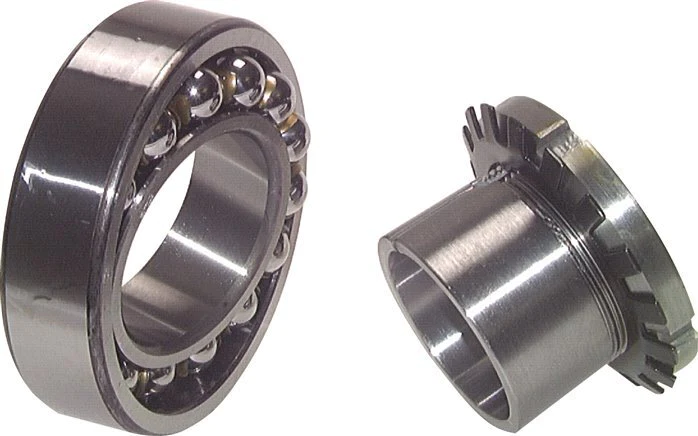
What is the role of cage design and materials in self-aligning bearing performance and durability?
The cage design and materials used in self-aligning bearings play a crucial role in determining their performance and durability. Here’s a detailed explanation:
- Guiding and Retaining Rolling Elements:
The primary function of the cage in a self-aligning bearing is to guide and retain the rolling elements, such as balls or rollers, in their proper positions. The cage prevents the rolling elements from contacting and rubbing against each other, ensuring smooth and controlled movement within the bearing. By providing precise spacing and alignment, the cage maintains the integrity of the bearing assembly and optimizes load distribution. It also minimizes the risk of damage or premature wear caused by improper positioning or collision of the rolling elements.
- Reducing Friction and Heat Generation:
The cage design and materials can significantly impact the friction and heat generation within the self-aligning bearing. An efficient cage design ensures proper lubrication distribution by allowing the lubricant to reach all the critical contact points between the rolling elements and raceways. This reduces friction and minimizes the associated heat generation, leading to improved overall bearing efficiency and reduced energy losses. Additionally, the choice of materials for the cage should consider factors such as low friction coefficients and good thermal conductivity to further optimize performance.
- Maintaining Alignment and Stability:
Self-aligning bearings are designed to accommodate misalignment between the shaft and the housing. The cage plays a vital role in maintaining the alignment and stability of the rolling elements, ensuring that they stay properly seated and aligned during operation. A well-designed cage provides sufficient space and support for the rolling elements to adjust and align themselves, even under dynamic conditions or when subjected to external forces. This enables the self-aligning bearing to continue operating smoothly and efficiently, minimizing the risk of excessive stress, wear, or premature failure.
- Enhancing Durability and Service Life:
The cage design and materials significantly impact the durability and service life of self-aligning bearings. A robust and durable cage is essential for withstanding the loads, impact forces, and vibrations that can occur during operation. The cage should be resistant to wear, fatigue, and corrosion to ensure long-term performance and reliability. By selecting appropriate cage materials, such as high-strength steels, thermoplastics, or engineered polymers, manufacturers can enhance the durability and service life of self-aligning bearings in various operating conditions.
- Reducing Weight and Inertia:
The cage design and materials also influence the weight and inertia of the self-aligning bearing. Lighter cage materials, such as certain polymers or composite materials, can help reduce the overall weight of the bearing assembly. This has several benefits, including lower energy consumption, reduced centrifugal forces, and improved dynamic performance. By minimizing the weight and inertia of the cage, self-aligning bearings can operate at higher speeds, exhibit improved response times, and potentially achieve higher levels of performance and efficiency.
Overall, the cage design and materials used in self-aligning bearings are critical factors in determining their performance, durability, and overall efficiency. A well-designed cage facilitates proper guidance and retention of the rolling elements, reduces friction and heat generation, maintains alignment and stability, enhances durability and service life, and contributes to overall weight optimization. By considering the specific application requirements and selecting the appropriate cage design and materials, engineers can optimize the performance and durability of self-aligning bearings in a wide range of industrial applications.

Can you explain the installation and alignment considerations for self-aligning bearings?
Proper installation and alignment are crucial for the optimal performance and longevity of self-aligning bearings. Here’s a detailed explanation of the installation and alignment considerations:
- Pre-Installation Preparation:
Prior to the installation of self-aligning bearings, it is essential to ensure a clean and suitable working environment. Here are some key considerations:
- Cleanliness: The work area should be clean and free from dust, dirt, and contaminants to prevent the ingress of foreign particles during the installation process.
- Tools and Equipment: Prepare the necessary tools and equipment required for the installation, including suitable lifting devices, torque wrenches, and lubrication apparatus.
- Inspection: Thoroughly inspect the bearing and its components for any signs of damage or defects. Replace any worn or damaged parts before proceeding with the installation.
- Lubrication: Apply the recommended lubricant to the bearing and ensure that it is properly distributed before installation. Lubrication helps reduce friction, prevent excessive wear, and facilitate smooth operation.
- Mounting Considerations:
When mounting self-aligning bearings, it is important to follow certain guidelines to ensure proper fit and alignment:
- Shaft and Housing Tolerances: Check the shaft and housing tolerances to ensure they comply with the specifications provided by the bearing manufacturer. Proper tolerances help achieve the correct fit and prevent excessive clearance or interference.
- Shaft and Housing Preparation: Clean the shaft and housing surfaces and remove any burrs or rough edges that could interfere with the bearing’s seating. Ensure that the shaft and housing are machined to the recommended tolerances and finishes.
- Mounting Method: There are various methods for mounting self-aligning bearings, including press fitting, thermal expansion, and hydraulic mounting. Follow the manufacturer’s instructions and recommended mounting method to ensure a secure and accurate fit.
- Sealing: If the self-aligning bearing has integral seals or shields, ensure that they are correctly positioned and aligned during installation. Proper sealing helps protect the bearing against contaminants and extends its service life.
- Tightening: When tightening the bearing onto the shaft or in the housing, use the recommended torque values provided by the manufacturer. Over-tightening can lead to excessive preload or damage, while under-tightening can result in insufficient seating and compromised performance.
- Alignment Considerations:
Proper alignment is crucial for self-aligning bearings to function optimally. Here are some alignment considerations:
- Angular Misalignment: Self-aligning bearings can accommodate angular misalignment to a certain degree. However, it is important to keep the misalignment within the manufacturer’s specified limits to prevent excessive stress and premature wear.
- Shaft Deflection: Consider the potential shaft deflection that may occur during operation and ensure that the self-aligning bearing can handle the expected deflection without exceeding its capacity. This may involve selecting a bearing with appropriate load-carrying capacity and considering additional support or stabilization measures.
- Alignment Verification: After installation, verify the alignment of the self-aligning bearing by measuring the axial and radial runout using appropriate alignment tools. Adjust the positioning if necessary to achieve the desired alignment within the specified tolerances.
By following these installation and alignment considerations, you can ensure the proper fit, alignment, and performance of self-aligning bearings. Adhering to the manufacturer’s guidelines and best practices helps maximize the lifespan and reliability of the bearings in various applications.
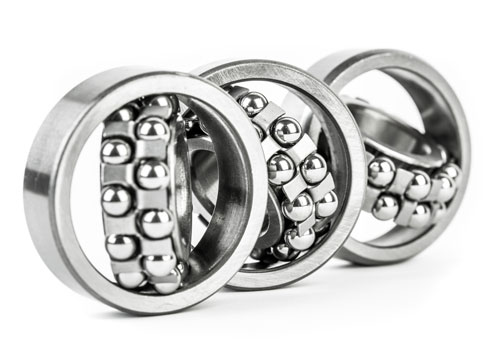
Can you explain the advantages and unique features of self-aligning bearings?
Self-aligning bearings offer several advantages and unique features that make them suitable for a wide range of applications. Here’s a detailed explanation of the advantages and unique features of self-aligning bearings:
- Misalignment Compensation:
One of the primary advantages of self-aligning bearings is their ability to accommodate misalignment between the shaft and the housing. This includes angular misalignment, axial misalignment, and shaft deflection. The self-aligning design allows the bearing to adjust its position and compensate for these misalignments, ensuring smooth operation and reducing stress on the bearing components.
- Reduced Friction and Wear:
Self-aligning bearings help reduce friction and wear in machinery. By accommodating misalignment, they distribute the load more evenly across the rolling elements and raceways, minimizing localized stresses. This results in lower friction, reduced wear, and longer bearing life. Additionally, the self-aligning capability helps prevent excessive heat generation, which can further contribute to reduced friction and wear.
- Shock and Vibration Absorption:
Self-aligning bearings have the unique ability to absorb shocks and vibrations that occur during operation. The spherical outer ring raceway allows the bearing to move and adjust its position, effectively dampening the impact of shocks and vibrations. This helps improve the overall stability of the machinery, reduces the transmission of vibrations, and protects other components from excessive forces.
- Easy Installation and Maintenance:
Self-aligning bearings are relatively easy to install and maintain. During installation, their self-aligning capability simplifies the alignment process, as slight misalignments can be accommodated. This saves time and effort in achieving precise alignment. Additionally, self-aligning bearings are typically designed for easy maintenance, allowing for straightforward tasks such as re-greasing or replacement without requiring complex disassembly.
- Wide Application Range:
Self-aligning bearings are versatile and find applications in various industries and machinery. They are commonly used in applications where misalignment is expected, such as in heavy machinery, conveyor systems, agricultural equipment, and mining operations. The ability to accommodate misalignment makes self-aligning bearings suitable for challenging environments and dynamic operating conditions.
- Cost-Effective Solution:
Self-aligning bearings offer a cost-effective solution in many applications. Their ability to compensate for misalignment helps prevent premature failure and reduces the need for frequent maintenance or realignment. This can result in cost savings by extending the bearing’s service life, improving overall machinery reliability, and reducing downtime for repairs or replacements.
In summary, self-aligning bearings provide advantages such as misalignment compensation, reduced friction and wear, shock and vibration absorption, easy installation and maintenance, wide application range, and cost-effectiveness. These unique features make them a valuable choice for various industries and applications where misalignment and dynamic operating conditions are present.


editor by CX 2024-01-16