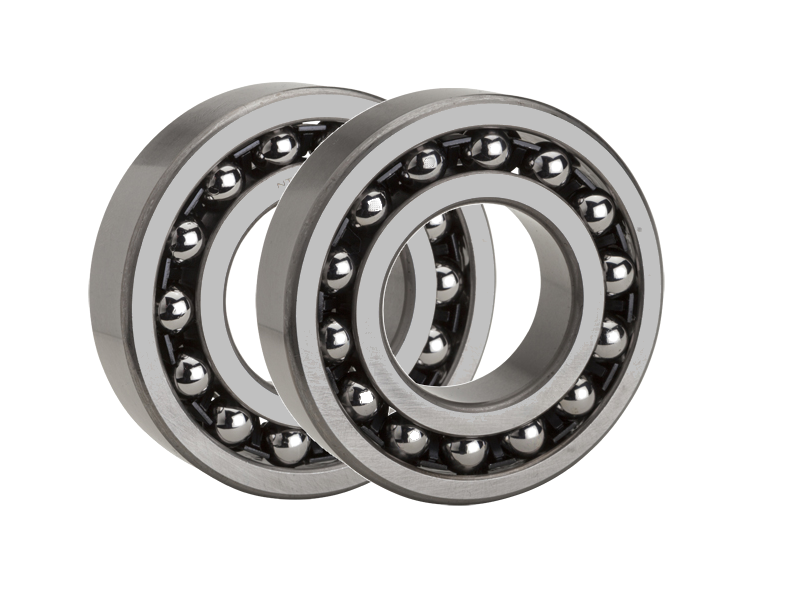
What are the eco-friendly or sustainable aspects of self-aligning bearing materials?
Self-aligning bearings can incorporate eco-friendly or sustainable aspects in their material composition. Here’s a detailed explanation:
- Recyclable Materials:
Many self-aligning bearings are made from materials that are recyclable. Steel, which is commonly used for bearing rings and rolling elements, is highly recyclable and can be processed and reused multiple times without significant loss of properties. By choosing self-aligning bearings made from recyclable materials, the environmental impact associated with the disposal and production of bearings can be reduced.
- Low Environmental Footprint:
The production of self-aligning bearings involves various manufacturing processes. Manufacturers often strive to optimize these processes to minimize energy consumption, reduce waste generation, and lower greenhouse gas emissions. By improving energy efficiency and reducing environmental footprint during production, self-aligning bearing manufacturers contribute to sustainable practices.
- Reduced Material Consumption:
The design and development of self-aligning bearings focus on optimizing their performance while minimizing material consumption. Through advanced engineering techniques, including material selection, design optimization, and improved manufacturing processes, manufacturers can reduce the amount of material required to produce self-aligning bearings. This not only helps to conserve natural resources but also reduces the overall weight of the bearing, leading to lower energy consumption during operation.
- Alternative Materials:
In recent years, there have been advancements in the development of alternative bearing materials that offer improved sustainability characteristics. For example:
- Ceramic Bearings: Ceramic materials, such as silicon nitride or zirconia, are increasingly used in self-aligning bearings due to their excellent wear resistance, corrosion resistance, and high-temperature capabilities. Ceramic bearings can contribute to sustainability by reducing the need for lubrication, extending maintenance intervals, and minimizing the use of lubricants that may have environmental impacts.
- Polymer Bearings: Self-aligning bearings made from polymer materials, such as reinforced plastics or engineered polymers, offer advantages such as self-lubrication, resistance to corrosion and chemicals, and reduced weight. Polymer bearings can provide sustainability benefits by eliminating the need for external lubrication, reducing friction and energy consumption, and offering potential for longer service life.
- Extended Service Life:
Self-aligning bearings with extended service life contribute to sustainability by reducing the frequency of bearing replacements and associated waste generation. Advancements in bearing materials, surface treatments, and lubrication technologies have led to improved durability and longer operating life, resulting in reduced environmental impact and lower maintenance requirements.
It’s important to note that while self-aligning bearing materials can have eco-friendly or sustainable aspects, the overall sustainability of an application or system also depends on other factors, such as energy efficiency, proper maintenance practices, and end-of-life disposal considerations. Therefore, a holistic approach considering the entire lifecycle of the equipment and its components is essential for achieving sustainable practices.
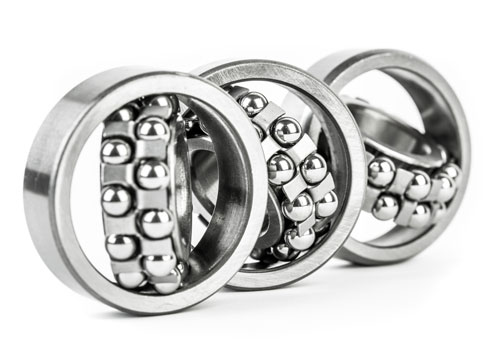
Can self-aligning bearings be customized or modified for unique industrial needs?
Yes, self-aligning bearings can be customized or modified to meet unique industrial needs. Here’s a detailed explanation:
- Customized Designs:
Manufacturers of self-aligning bearings often offer customization options to accommodate specific industrial requirements. These customization options can include:
- Size and Dimensions: Self-aligning bearings can be customized to different sizes and dimensions, allowing them to fit specific equipment or space constraints within an industrial setting.
- Load Capacity: Manufacturers can modify self-aligning bearings to handle higher or lower load capacities based on the unique demands of an application. This can involve altering the bearing’s internal geometry, material selection, or heat treatment processes.
- Operating Conditions: Customizations can be madeto enhance the performance of self-aligning bearings in specific operating conditions. For example, the bearing’s materials, lubrication, or sealing arrangements can be tailored to withstand extreme temperatures, corrosive environments, or high levels of contamination.
- Mounting Configurations: Self-aligning bearings can be customized to meet specific mounting requirements. This may involve modifying the bearing’s outer ring, inner ring, or flange configurations to ensure proper fit and alignment within a particular industrial setup.
- Sealing and Protection: Manufacturers can provide customized sealing arrangements to prevent the ingress of contaminants or protect the bearing from harsh external conditions. This can include adding specialized seals, shields, or coatings to enhance the bearing’s durability and longevity.
- Lubrication: The lubrication requirements of self-aligning bearings can be customized based on the application’s specific needs. Manufacturers can offer different lubrication options, such as solid lubricants or specialized greases, to optimize performance and minimize maintenance requirements.
- Collaboration with Manufacturers:
When unique industrial needs arise, it is advisable to collaborate closely with the bearing manufacturer or consult with bearing experts. They can provide technical expertise and guidance to assess the specific requirements and propose suitable customizations or modifications to the self-aligning bearings.
It is important to note that customization or modification of self-aligning bearings may involve additional costs and lead time for manufacturing. Therefore, a thorough evaluation of the application’s needs, cost-benefit analysis, and discussions with the manufacturer are essential to determine the feasibility and effectiveness of the customization process.
By leveraging the customization options offered by bearing manufacturers and working in collaboration with experts, self-aligning bearings can be tailored to meet the unique demands of various industries, ensuring optimal performance, reliability, and longevity in specific industrial applications.
Can you explain the advantages and unique features of self-aligning bearings?
Self-aligning bearings offer several advantages and unique features that make them suitable for a wide range of applications. Here’s a detailed explanation of the advantages and unique features of self-aligning bearings:
- Misalignment Compensation:
One of the primary advantages of self-aligning bearings is their ability to accommodate misalignment between the shaft and the housing. This includes angular misalignment, axial misalignment, and shaft deflection. The self-aligning design allows the bearing to adjust its position and compensate for these misalignments, ensuring smooth operation and reducing stress on the bearing components.
- Reduced Friction and Wear:
Self-aligning bearings help reduce friction and wear in machinery. By accommodating misalignment, they distribute the load more evenly across the rolling elements and raceways, minimizing localized stresses. This results in lower friction, reduced wear, and longer bearing life. Additionally, the self-aligning capability helps prevent excessive heat generation, which can further contribute to reduced friction and wear.
- Shock and Vibration Absorption:
Self-aligning bearings have the unique ability to absorb shocks and vibrations that occur during operation. The spherical outer ring raceway allows the bearing to move and adjust its position, effectively dampening the impact of shocks and vibrations. This helps improve the overall stability of the machinery, reduces the transmission of vibrations, and protects other components from excessive forces.
- Easy Installation and Maintenance:
Self-aligning bearings are relatively easy to install and maintain. During installation, their self-aligning capability simplifies the alignment process, as slight misalignments can be accommodated. This saves time and effort in achieving precise alignment. Additionally, self-aligning bearings are typically designed for easy maintenance, allowing for straightforward tasks such as re-greasing or replacement without requiring complex disassembly.
- Wide Application Range:
Self-aligning bearings are versatile and find applications in various industries and machinery. They are commonly used in applications where misalignment is expected, such as in heavy machinery, conveyor systems, agricultural equipment, and mining operations. The ability to accommodate misalignment makes self-aligning bearings suitable for challenging environments and dynamic operating conditions.
- Cost-Effective Solution:
Self-aligning bearings offer a cost-effective solution in many applications. Their ability to compensate for misalignment helps prevent premature failure and reduces the need for frequent maintenance or realignment. This can result in cost savings by extending the bearing’s service life, improving overall machinery reliability, and reducing downtime for repairs or replacements.
In summary, self-aligning bearings provide advantages such as misalignment compensation, reduced friction and wear, shock and vibration absorption, easy installation and maintenance, wide application range, and cost-effectiveness. These unique features make them a valuable choice for various industries and applications where misalignment and dynamic operating conditions are present.


editor by CX 2024-02-08