Product Description
Spherical roller bearings are bearings with drum-shaped rollers assembled between the inner ring with 2 raceways and the outer ring with spherical raceways. Spherical roller bearings have 2 rows of rollers, which mainly bear radial load, but can also bear axial load in any direction.
Product Description
CA (spherical roller bearing single row)
Combining high-quality material, optimized design and precision manufacturing, this bearing is JRZC’s new generation of high-performance bearings, maximizing the productivity of your equipment.
Spherical Roller Bearing
| Product Name | Spherical Roller Bearing |
| Precision Rating | P6, P0, P5, P4, P2 |
| Material | Bearing Steel (GCr15) |
| Clearance | C0 C1 C2 C3 C4 C5 |
| Vibration & Noisy | Z1, Z2, Z3 V1, V2, V3 |
| Cage | Brass, Nylon, Steel |
| Seal | ZZ, 2RS |
| Features | High Precision, High Speed, Long Life, High Reliability, Low Noise, Reduce Friction |
| Certification | ISO 9001: 2008 |
| Packing | 1. Neutral Packing Bearing 2. Industrial Packing 3. Commercial Packing Bearing 4. Customize |
| Delivery Time | 30 – 45 Days After The Order is Confirmed |
| Shippment | 1. By Sea 2. By Air 3. By Express |
We have all series of spherical roller bearing.
| Bearing | Boundary dimensions(mm) | Basic load railing(KN) | Limit speed(r/min) | Weight(kg) | ||||
| model | d | D | B | Cr | Cor | grease | oil | |
| 22206 | 30 | 62 | 20 | 30.5 | 38.2 | 5300 | 6700 | 0.283 |
| 22207 | 35 | 72 | 23 | 45.2 | 59.5 | 4800 | 6000 | 0.43 |
| 22208 | 40 | 80 | 23 | 49.8 | 68.5 | 4000 | 5600 | 0.55 |
| 22209 | 45 | 85 | 23 | 52.2 | 73.2 | 3800 | 5000 | 0.59 |
| 22210 | 50 | 90 | 23 | 52.2 | 73.2 | 3400 | 4800 | 0.614 |
| 22211 | 55 | 100 | 25 | 60 | 87.2 | 3200 | 4300 | 0.847 |
| 22212 | 60 | 110 | 28 | 81.8 | 122 | 2800 | 4000 | 1.22 |
| 22213 | 65 | 120 | 31 | 88.5 | 128 | 2600 | 3600 | 1.63 |
| 22214 | 70 | 125 | 31 | 95 | 142 | 2400 | 3400 | 1.66 |
| 22215 | 75 | 130 | 31 | 95 | 142 | 2200 | 3200 | 1.75 |
| 22216 | 80 | 140 | 33 | 115 | 180 | 2000 | 3000 | 2.2 |
| 22217 | 85 | 150 | 36 | 145 | 228 | 1900 | 2800 | 2.8 |
| 22218 | 90 | 160 | 40 | 168 | 272 | 1800 | 2600 | 4 |
| 22219 | 95 | 170 | 43 | 212 | 322 | 1700 | 2400 | 4.2 |
| 22220 | 100 | 180 | 46 | 222 | 358 | 1600 | 2200 | 5 |
| 22222 | 110 | 200 | 53 | 288 | 465 | 1400 | 1900 | 7.4 |
| 22224 | 120 | 215 | 58 | 342 | 565 | 1300 | 1700 | 9.2 |
| 22226 | 130 | 230 | 64 | 408 | 708 | 1200 | 1600 | 11.2 |
| 22228 | 140 | 250 | 68 | 478 | 805 | 1100 | 1400 | 14.5 |
| 22230 | 150 | 270 | 73 | 508 | 875 | 1000 | 1300 | 18.5 |
| 22232 | 160 | 290 | 80 | 642 | 1140 | 950 | 1200 | 22.2 |
| 22234 | 170 | 310 | 86 | 720 | 1300 | 900 | 1100 | 29 |
| 22236 | 180 | 320 | 86 | 735 | 1370 | 800 | 1000 | 30 |
| 22238 | 190 | 340 | 92 | 818 | 1510 | 750 | 950 | 35.3 |
| 22240 | 200 | 360 | 98 | 920 | 1740 | 700 | 900 | 47.7 |
| 22244 | 220 | 400 | 108 | 1170 | 2220 | 630 | 800 | 61.5 |
| 22256 | 280 | 500 | 130 | 1690 | 3380 | 500 | 630 | 126 |
| 22260 | 300 | 540 | 140 | 1840 | 3450 | 450 | 560 | 134 |
Application
Application:
Continuous Casting Machines Mechanical Fans and Blowers;
Gearbox and Pumps Wind Turbines;
Material Handling Marine Propulsion and Offshore Drilling;
Mining and Construction Equipment Pulp and Paper Processing Equipment.
Related Product
Packaging & Shipping
Our packing:
* Industrial pakage+outer carton+pallets
* sigle box+outer carton+pallets
* Tube package+middle box+outer carton+pallets
* According to your requirments
Company Profile
ABOUT US
BEARING MANUFACTURE
1. 20+ yearsof experience in manufacturing bearing;
2.Annual output value of more than 40 million yuan;
3.Passed the ISO9001 international quality certification system;
4.160 sets imported production equipments;
5.Professional sales team.
The company has more than 160 sets of modern production equipment and complete testing methods. Supported by a strong R&D team and advanced production technology, the company’s product quality has been improved year by year. It is catching up with HangZhou, HangZhou and HangZhou Bearings from the 3 major technology platforms of design, manufacturing and testing.
Export to many countries
HangZhou Jinrui Bearing Co., Ltd. not only has customers in many industries in China, but the company’s products are also exported to India, Southeast Asia, the Middle East, Europe and the United States and other countries. It has independent export rights and more than 10 years of foreign trade export experience.
FAQ
SAMPLES
1. Samples quantity: 1-10 PCS are available.
2. Free samples: It depends on the Model No., material and quantity. Some of the bearings samples need client to pay samples charge and shipping cost.
3. It’s better to start your order with Trade Assurance to get full protection for your samples order.
CUSTOMIZED
The customized LOGO or drawing is acceptable for us.
MOQ
1. MOQ: 10 PCS mix different standard bearings.
2. MOQ: 3000 PCS customized your brand bearings.
OEM POLICY
1. We can printing your brand (logo, artwork)on the shield or laser engraving your brand on the shield.
2. We can custom your packaging according to your design
3. All copyright own by clients and we promised don’t disclose any info.
SUPORT
Please visit our bearings website, we strongly encourge that you can communicate with us through email, thanks!
We have all kinds of bearings, just tell me your item number and quantity, best price will be offered to you soon
The material of the bearings, precision rating, seals type, OEM service, etc, all of them we can make according to your requirement.
/* March 10, 2571 17:59:20 */!function(){function s(e,r){var a,o={};try{e&&e.split(“,”).forEach(function(e,t){e&&(a=e.match(/(.*?):(.*)$/))&&1
| Feature: | Best Price, High Speed, Long Life |
|---|---|
| OEM: | Available |
| Hardness: | 59-63HRC |
| Samples: |
US$ 10/Piece
1 Piece(Min.Order) | Order Sample |
|---|
| Customization: |
Available
| Customized Request |
|---|
.shipping-cost-tm .tm-status-off{background: none;padding:0;color: #1470cc}
| Shipping Cost:
Estimated freight per unit. |
about shipping cost and estimated delivery time. |
|---|
| Payment Method: |
|
|---|---|
|
Initial Payment Full Payment |
| Currency: | US$ |
|---|
| Return&refunds: | You can apply for a refund up to 30 days after receipt of the products. |
|---|
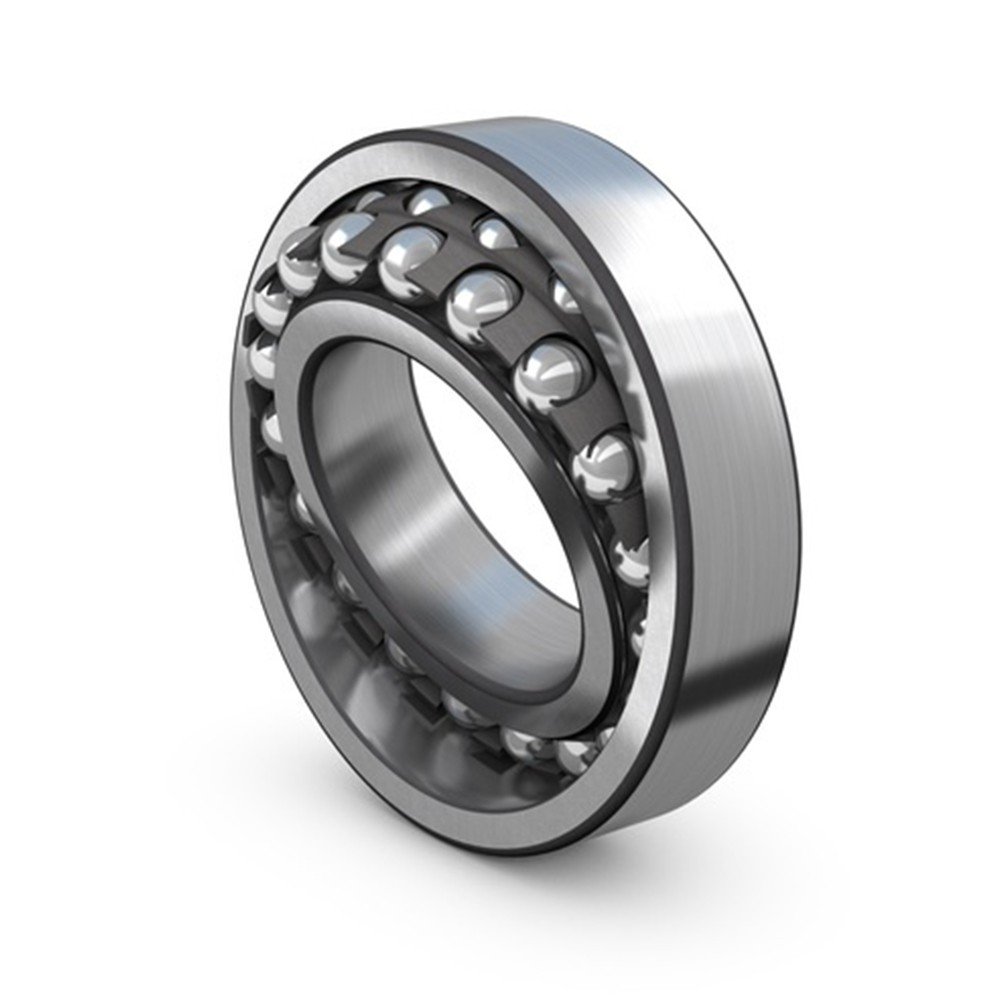
Are there specific considerations for choosing self-aligning bearings in applications with challenging operating conditions or varying misalignment requirements?
Yes, there are specific considerations to take into account when choosing self-aligning bearings for applications with challenging operating conditions or varying misalignment requirements. Here’s a detailed explanation:
- Operating Conditions:
When selecting self-aligning bearings for challenging operating conditions, it’s important to consider factors such as temperature, speed, load, and environmental conditions. High temperatures, extreme speeds, heavy loads, and harsh environments can all impact the performance and durability of the bearing. In such cases, it may be necessary to choose self-aligning bearings with special heat-resistant materials, high-speed capabilities, increased load-carrying capacity, or enhanced corrosion resistance. Additionally, proper lubrication selection and maintenance practices become crucial to ensure optimal performance and longevity of the bearings.
- Misalignment Requirements:
Self-aligning bearings are specifically designed to accommodate misalignment between the shaft and the housing. However, different applications may have varying misalignment requirements. It’s important to consider the magnitude and type of misalignment that the bearing will experience. Some self-aligning bearings can accommodate larger misalignments, while others are designed for smaller or specific types of misalignments, such as angular or parallel misalignment. Understanding the misalignment characteristics of the application is essential to select the appropriate self-aligning bearings that can effectively handle the expected misalignment conditions.
- Load Capacity and Dynamic Performance:
In applications with challenging operating conditions, it’s crucial to assess the load capacity and dynamic performance requirements of the self-aligning bearings. Heavy loads, shock loads, or vibrations can significantly affect the bearing’s performance and service life. It’s important to choose self-aligning bearings with adequate load-carrying capacity, high shock resistance, and robust construction to withstand the demanding conditions. Additionally, the dynamic performance of the bearing, including factors such as rotational speed, acceleration, and deceleration, should be carefully evaluated to ensure that the selected bearings can meet the application’s performance requirements.
- Sealing and Contamination Prevention:
In challenging operating conditions, effective sealing and contamination prevention become crucial for self-aligning bearings. Dust, dirt, moisture, and other contaminants can significantly impact the bearing’s performance and service life. It’s important to select self-aligning bearings with appropriate sealing solutions, such as contact seals, non-contact seals, or hybrid seals, depending on the specific application requirements. These seals help prevent the ingress of contaminants and maintain the integrity of the bearing’s internal components, ensuring reliable operation even in harsh environments.
- Lubrication and Maintenance:
Lubrication and maintenance practices are critical considerations for self-aligning bearings in challenging operating conditions. Proper lubrication selection, including the choice of lubricant type, viscosity, and replenishment frequency, is essential to ensure optimal bearing performance and minimize the risk of premature wear or failure. Additionally, adhering to appropriate maintenance practices, such as regular inspections, re-lubrication, and monitoring of operating conditions, can help identify any potential issues early on and prevent costly downtime or unexpected failures.
By considering these specific factors and requirements, engineers can choose the most suitable self-aligning bearings for applications with challenging operating conditions or varying misalignment requirements. Taking into account the unique demands of the application ensures optimal performance, durability, and reliability of the self-aligning bearings in even the most demanding environments.

How do self-aligning bearings perform in applications with varying loads and misalignment challenges?
Self-aligning bearings are specifically designed to perform exceptionally well in applications with varying loads and misalignment challenges. Here’s an in-depth explanation of their performance characteristics:
- Misalignment Compensation:
Self-aligning bearings are capable of accommodating various types of misalignment, including angular misalignment and shaft deflection. They feature a design that incorporates two rows of rolling elements, such as balls or rollers, and a spherical outer ring raceway. This design allows the bearing to self-align, adapting to misalignment caused by factors such as shaft deflection, mounting errors, thermal expansion, and vibrations. Self-aligning bearings can handle misalignment within certain limits, maintaining proper alignment between the mating components and minimizing additional stresses on the bearing.
- Load-Carrying Capacity:
Self-aligning bearings are engineered to handle high loads, both radial and axial. They have a robust construction with larger rolling elements and increased contact area, enabling them to distribute the load more effectively. This enhanced load-carrying capacity makes self-aligning bearings suitable for applications where varying loads are encountered. Whether it’s fluctuating radial loads, axial loads, or a combination of both, self-aligning bearings can handle the dynamic forces and provide reliable performance.
- Flexibility and Versatility:
Self-aligning bearings offer flexibility and versatility in applications with varying loads and misalignment challenges. They can operate in conditions where shafts are not perfectly aligned or where there are slight shaft movements. This flexibility allows for easier installation and alignment adjustments, reducing the time and effort required for precise positioning of the bearing. Additionally, self-aligning bearings are available in different designs and configurations, including ball bearings and roller bearings, providing options to match specific application requirements.
- Reduced Friction and Heat Generation:
Self-aligning bearings are designed to minimize friction and heat generation during operation. The rolling elements and raceways are precisely engineered to reduce contact stresses and optimize the distribution of forces. This results in lower friction levels and reduced heat buildup, enhancing the overall efficiency and reliability of the bearing in applications where varying loads and misalignment challenges are present.
- Extended Service Life:
Due to their ability to accommodate misalignment and handle varying loads, self-aligning bearings contribute to an extended service life of the machinery. By reducing the stresses and excessive forces on the bearing and its surrounding components, self-aligning bearings help minimize wear, prevent premature failure, and increase the overall durability of the equipment.
In summary, self-aligning bearings excel in applications with varying loads and misalignment challenges. Their ability to compensate for misalignment, handle high loads, provide flexibility in installation, and reduce friction and heat generation makes them well-suited for industries such as mining, construction, paper manufacturing, steel production, and many others where these challenges are prevalent.
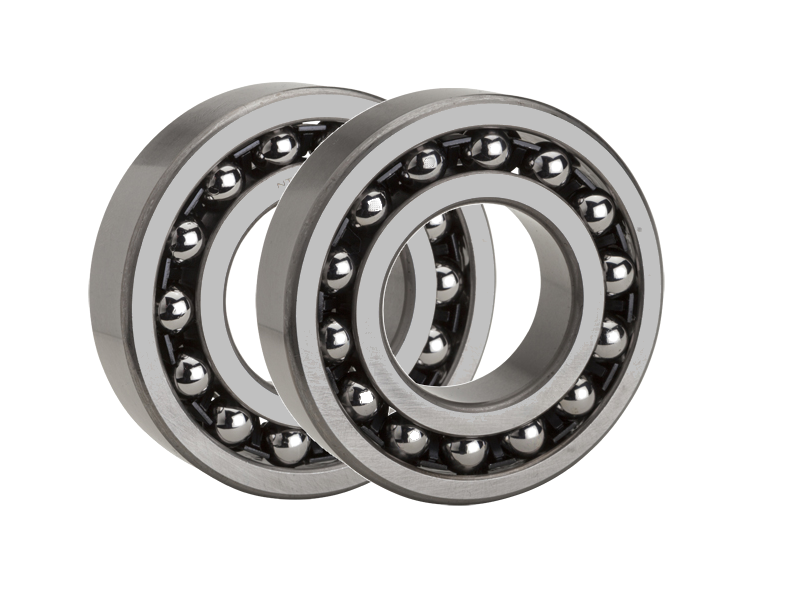
Can you describe the load-carrying capacity and load ratings of self-aligning bearings?
Self-aligning bearings are designed to carry both radial and axial loads, and their load-carrying capacity is an essential consideration for their proper selection and application. Here’s a detailed description of the load-carrying capacity and load ratings of self-aligning bearings:
- Radial Load Capacity:
The radial load capacity of a self-aligning bearing refers to its ability to carry loads that act perpendicular to the axis of rotation. It is influenced by factors such as bearing geometry, material properties, and internal design. Self-aligning bearings, particularly spherical roller bearings, are known for their high radial load-carrying capacity. This is due to their construction that includes multiple rows of robust rolling elements and optimized raceway profiles. The larger contact area between the rolling elements and raceways allows for efficient load distribution, enabling the bearing to handle substantial radial loads.
- Axial Load Capacity:
The axial load capacity of a self-aligning bearing refers to its ability to carry loads that act parallel to the axis of rotation. The axial load-carrying capacity depends on the bearing type and design, as well as the arrangement of rolling elements. Self-aligning thrust roller bearings, for example, are specifically designed to handle significant axial loads. They utilize cylindrical or tapered rolling elements arranged in a specific orientation to withstand axial forces. Self-aligning ball bearings can also carry moderate axial loads in addition to their primary radial load-carrying capacity.
- Dynamic Load Rating:
The dynamic load rating of a self-aligning bearing is a standardized value that indicates the maximum load that the bearing can sustain for a specified number of rotations or operating hours without experiencing premature fatigue failure. It is expressed in terms of the calculated dynamic equivalent radial or axial load, which takes into account the actual load distribution within the bearing. The dynamic load rating is typically provided by the manufacturer and allows engineers to compare and select bearings based on their expected performance under dynamic operating conditions.
- Static Load Rating:
The static load rating of a self-aligning bearing represents the maximum load that the bearing can sustain without permanent deformation or excessive stress when the bearing is stationary or subjected to very slow rotations. It is typically higher than the dynamic load rating. The static load rating is an important consideration for applications where the bearing may be subjected to prolonged static or slow-speed conditions, such as in machinery that operates with intermittent or intermittent rotational motion.
It is important to note that the load-carrying capacity and load ratings provided by manufacturers are based on standardized testing methods and assumptions about operating conditions. Actual load capacity can be influenced by factors such as temperature, lubrication, misalignment, and operating speed. Therefore, it is crucial to consider the specific application requirements and consult the manufacturer’s technical data and guidelines when selecting a self-aligning bearing to ensure its suitability and optimal performance.


editor by CX 2024-02-20