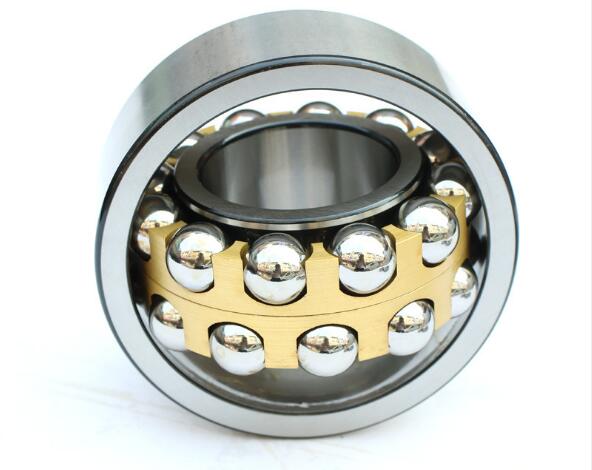
How do innovations and advancements in self-aligning bearing technology impact their use?
Advancements and innovations in self-aligning bearing technology have a significant impact on their use in various industries. Here’s a detailed explanation:
- Improved Performance:
Innovations in self-aligning bearing technology often result in improved performance characteristics. These advancements can include:
- Load Capacity: New bearing designs and materials can enhance the load-carrying capacity of self-aligning bearings, allowing them to withstand higher loads or operate under more demanding conditions.
- Speed Capability: Advancements in bearing manufacturing techniques and materials can increase the maximum rotational speed at which self-aligning bearings can operate effectively, enabling their use in high-speed applications.
- Friction Reduction: Innovations in bearing design, lubrication, and surface treatments contribute to reducing friction and energy losses, resulting in improved efficiency and reduced operating costs.
- Sealing and Contamination Resistance: New sealing technologies and materials can enhance the sealing performance of self-aligning bearings, providing better protection against contaminants, moisture, and harsh environmental conditions.
- Temperature and Corrosion Resistance: Advances in bearing materials and coatings enable self-aligning bearings to withstand extreme temperatures, aggressive chemicals, and corrosive environments, expanding their range of applications.
- Extended Service Life:
Innovations in self-aligning bearing technology often result in improved durability and longevity. These advancements can include:
- Materials: The development of new bearing materials, such as advanced steels, ceramics, or composites, can significantly enhance the bearing’s resistance to wear, fatigue, and surface damage, leading to extended service life.
- Lubrication: Advancements in lubrication technologies, such as the use of solid lubricants or advanced grease formulations, can provide better film formation, reduce friction, and minimize wear, thereby increasing the bearing’s operating life.
- Surface Treatments: Innovative surface treatments, such as coatings or finishes, can improve the bearing’s resistance to corrosion, wear, and fretting, contributing to longer service intervals and reduced maintenance requirements.
- Condition Monitoring: The integration of sensor technologies and data analytics in self-aligning bearings enables real-time monitoring of operating conditions, allowing for proactive maintenance and early detection of potential failures, thus maximizing the bearing’s service life.
- Application Expansion:
Advancements in self-aligning bearing technology often lead to an expansion of their application range. These advancements can include:
- New Industries: Innovations in self-aligning bearing technology can enable their use in industries or applications where they were previously not feasible. This opens up opportunities in emerging sectors, such as renewable energy, electric vehicles, robotics, or medical devices.
- Challenging Environments: Improved performance characteristics, such as enhanced sealing, temperature resistance, or contamination resistance, allow self-aligning bearings to be deployed in challenging environments, including offshore installations, high-temperature processes, or chemically aggressive applications.
- Specialized Applications: Advancements in self-aligning bearing technology can lead to the development of specialized bearing variants tailored for specific applications, such as high-speed machining, precision equipment, or demanding industrial automation systems.
Overall, innovations and advancements in self-aligning bearing technology bring about enhanced performance, extended service life, and expanded application possibilities. These advancements drive improvements in industrial productivity, reliability, and efficiency, making self-aligning bearings a valuable component in a wide range of industries and applications.
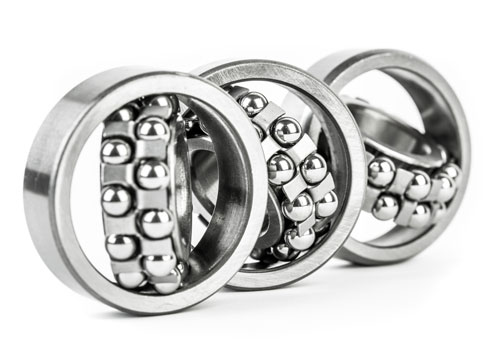
Can self-aligning bearings be customized or modified for unique industrial needs?
Yes, self-aligning bearings can be customized or modified to meet unique industrial needs. Here’s a detailed explanation:
- Customized Designs:
Manufacturers of self-aligning bearings often offer customization options to accommodate specific industrial requirements. These customization options can include:
- Size and Dimensions: Self-aligning bearings can be customized to different sizes and dimensions, allowing them to fit specific equipment or space constraints within an industrial setting.
- Load Capacity: Manufacturers can modify self-aligning bearings to handle higher or lower load capacities based on the unique demands of an application. This can involve altering the bearing’s internal geometry, material selection, or heat treatment processes.
- Operating Conditions: Customizations can be madeto enhance the performance of self-aligning bearings in specific operating conditions. For example, the bearing’s materials, lubrication, or sealing arrangements can be tailored to withstand extreme temperatures, corrosive environments, or high levels of contamination.
- Mounting Configurations: Self-aligning bearings can be customized to meet specific mounting requirements. This may involve modifying the bearing’s outer ring, inner ring, or flange configurations to ensure proper fit and alignment within a particular industrial setup.
- Sealing and Protection: Manufacturers can provide customized sealing arrangements to prevent the ingress of contaminants or protect the bearing from harsh external conditions. This can include adding specialized seals, shields, or coatings to enhance the bearing’s durability and longevity.
- Lubrication: The lubrication requirements of self-aligning bearings can be customized based on the application’s specific needs. Manufacturers can offer different lubrication options, such as solid lubricants or specialized greases, to optimize performance and minimize maintenance requirements.
- Collaboration with Manufacturers:
When unique industrial needs arise, it is advisable to collaborate closely with the bearing manufacturer or consult with bearing experts. They can provide technical expertise and guidance to assess the specific requirements and propose suitable customizations or modifications to the self-aligning bearings.
It is important to note that customization or modification of self-aligning bearings may involve additional costs and lead time for manufacturing. Therefore, a thorough evaluation of the application’s needs, cost-benefit analysis, and discussions with the manufacturer are essential to determine the feasibility and effectiveness of the customization process.
By leveraging the customization options offered by bearing manufacturers and working in collaboration with experts, self-aligning bearings can be tailored to meet the unique demands of various industries, ensuring optimal performance, reliability, and longevity in specific industrial applications.
How do self-aligning bearings differ from fixed or non-self-aligning bearings?
Self-aligning bearings differ from fixed or non-self-aligning bearings in several ways. Here’s a detailed explanation of the differences between these types of bearings:
- Design and Construction:
The design and construction of self-aligning bearings are distinct from fixed or non-self-aligning bearings. Self-aligning bearings have a spherical outer ring raceway, which allows for misalignment compensation. In contrast, fixed or non-self-aligning bearings typically have a cylindrical or tapered outer ring raceway, designed for precise alignment between the shaft and the housing.
- Misalignment Compensation:
The primary difference between self-aligning bearings and fixed or non-self-aligning bearings is their ability to compensate for misalignment. Self-aligning bearings can accommodate angular misalignment, axial misalignment, and shaft deflection, whereas fixed or non-self-aligning bearings have limited tolerance for misalignment and require precise alignment during installation.
- Load Distribution:
Self-aligning bearings distribute the load more evenly across the rolling elements and raceways, thanks to their ability to accommodate misalignment. This helps reduce localized stresses and minimize the risk of premature failure. Fixed or non-self-aligning bearings, without the ability to compensate for misalignment, may experience uneven loading and increased stress on specific areas, leading to accelerated wear and potential failure.
- Friction and Wear:
Due to their misalignment compensation capability, self-aligning bearings help reduce friction and wear. Misalignment in fixed or non-self-aligning bearings can cause increased friction and localized wear, leading to reduced bearing life. Self-aligning bearings distribute the load more evenly, minimizing friction and wear on the rolling elements and raceways, resulting in improved reliability and longevity.
- Application Range:
The different design and misalignment compensation capability of self-aligning bearings make them suitable for a broader range of applications compared to fixed or non-self-aligning bearings. Self-aligning bearings are commonly used in applications where misalignment is expected, such as heavy machinery, conveyor systems, and mining equipment. Fixed or non-self-aligning bearings are typically employed in applications that require precise alignment, such as machine tools or high-precision equipment.
- Installation and Maintenance:
Self-aligning bearings offer easier installation and maintenance compared to fixed or non-self-aligning bearings. The self-aligning capability of these bearings allows for more flexibility during the installation process, accommodating slight misalignments. In contrast, fixed or non-self-aligning bearings require careful alignment procedures to ensure proper functioning. Additionally, self-aligning bearings are often designed for easier maintenance, enabling tasks such as re-greasing or replacement without extensive disassembly.
In summary, self-aligning bearings differ from fixed or non-self-aligning bearings in their design, misalignment compensation capability, load distribution, friction and wear characteristics, application range, and ease of installation and maintenance. These differences make self-aligning bearings particularly suitable for applications where misalignment is expected or dynamic operating conditions are present.


editor by lmc 2024-11-21