Product Description
| Specifications of Bones Bearing |
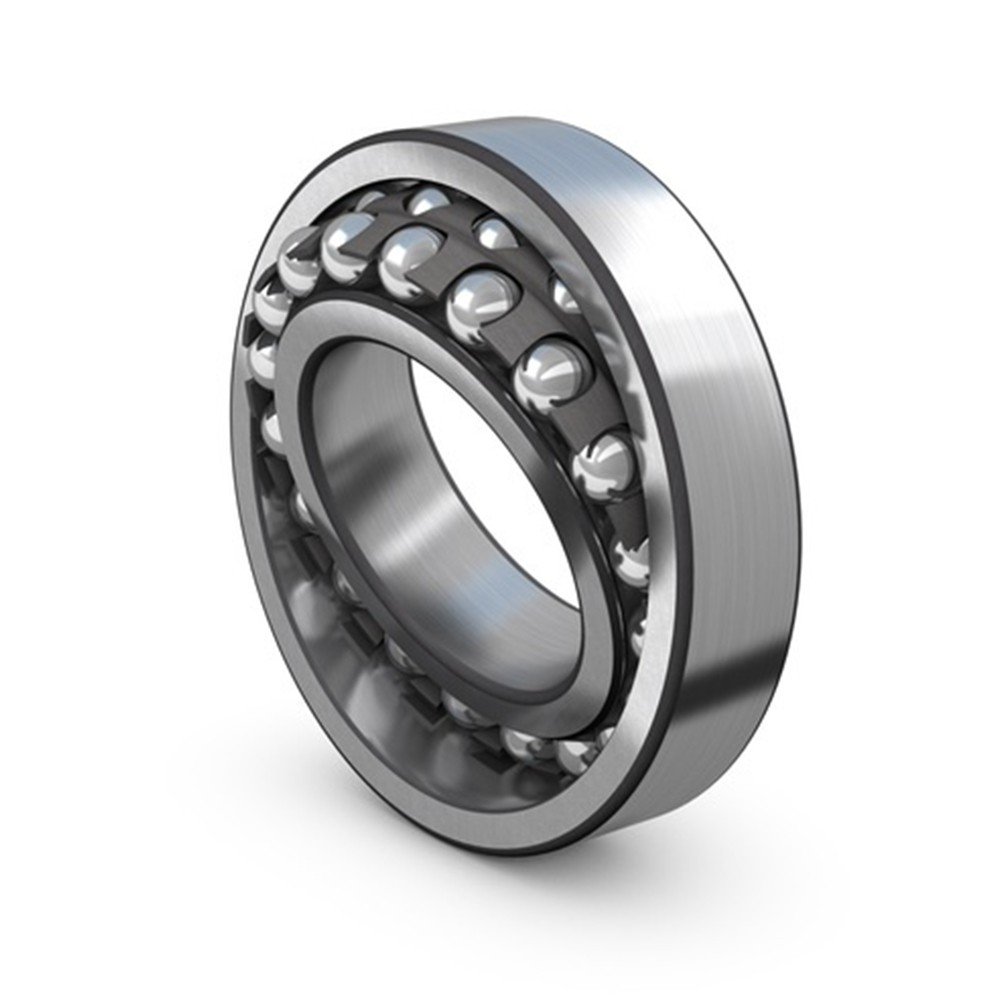
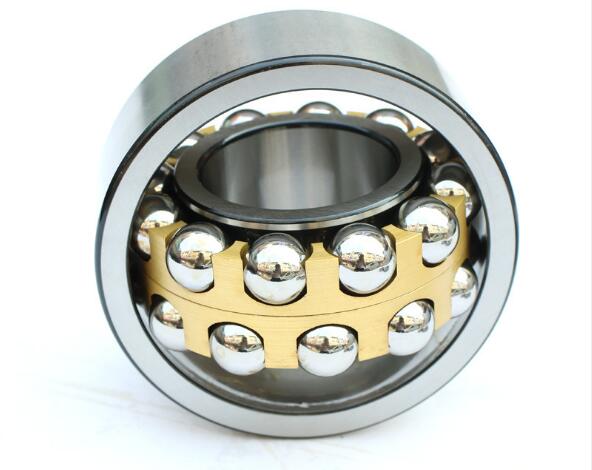
Self-Aligning Ball Bearings 1306K Double Row Ball Bearing 1306
The self-aligning ball bearing is recommended when alignment of the shaft and housing is difficult and the shaft may flex.
It has 2 rows of balls and a common sphered raceway in the outer ring.Self-aligning ball bearings are available with either a cylindrical or tapered bore.
And it has the lowest friction of all rolling bearings, which enables it to run cooler even at high speeds.
Application:
1) Steel Industry
2) Mining&Construction
3) Papermaking Machinery
4) Wind Turbines
5) Machine Tools
6) Gearboxes
7) Pump&Compressors
8) Injection Molding Machines
9) Motorcycles
10) Electric Motors
| Showing of Bearing |
| Parameters of Bearing |
Self-Aligning Ball Bearings 1306K Double Row Ball Bearing 1306
| BEARING NUMBER | BORE(d) | O.D.(D) | WIDTH(B) | WEIGHT |
| mm | mm | mm | kg | |
| inch | inch | inch | lb | |
| 1300 | 10 | 35 | 11 | 0.058 |
| 0.3937 | 1.3780 | 0.4331 | 0.128 | |
| 1301 | 12 | 37 | 12 | 0.066 |
| 0.4724 | 1.4567 | 0.4724 | 0.146 | |
| 1302 | 15 | 42 | 13 | 0.092 |
| 0.5906 | 1.6535 | 0.5118 | 0.203 | |
| 1303 | 17 | 47 | 14 | 0.128 |
| 0.6693 | 1.8504 | 0.5512 | 0.282 | |
| 1304 | 20 | 52 | 15 | 0.16 |
| 0.7874 | 2.571 | 0.5906 | 0.353 | |
| 1305 | 25 | 62 | 17 | 0.255 |
| 0.9843 | 2.4409 | 0.6693 | 0.562 | |
| 1306 | 30 | 72 | 19 | 0.383 |
| 1.1811 | 2.8346 | 0.7480 | 0.844 | |
| 1307 | 35 | 80 | 21 | 0.5 |
| 1.3780 | 3.1496 | 0.8268 | 1.102 | |
| 1308 | 40 | 90 | 23 | 0.709 |
| 1.5748 | 3.5433 | 0.9055 | 1.563 | |
| 1309 | 45 | 100 | 25 | 0.953 |
| 1.7717 | 3.9370 | 0.9843 | 2.101 | |
| 1310 | 50 | 110 | 27 | 1.2 |
| 1.9685 | 4.3307 | 1.0630 | 2.646 | |
| 1311 | 55 | 120 | 29 | 1.58 |
| 2.1654 | 4.7244 | 1.1417 | 3.483 | |
| 1312 | 60 | 130 | 31 | 1.96 |
| 2.3622 | 5.1181 | 1.2205 | 4.321 | |
| 1313 | 65 | 140 | 33 | 2.42 |
| 2.5591 | 5.5118 | 1.2992 | 5.335 | |
| 1314 | 70 | 150 | 35 | 2.99 |
| 2.7559 | 5.9055 | 1.378 | 6.592 | |
| 1315 | 75 | 160 | 37 | 3.55 |
| 2.9528 | 6.2992 | 1.4567 | 7.826 | |
| 1316 | 80 | 170 | 39 | 4.170 |
| 3.1496 | 6.6929 | 1.5354 | 9.193 | |
| 1317 | 85 | 180 | 41 | 4.960 |
| 3.3465 | 7.0866 | 1.6142 | 10.935 | |
| 1318 | 90 | 190 | 43 | 5.780 |
| 3.5433 | 7.4803 | 1.6929 | 12.743 | |
| 1319 | 95 | 200 | 45 | 6.690 |
| 3.7402 | 7.8740 | 1.7717 | 14.749 | |
| 1320 | 100 | 215 | 47 | 8.300 |
| 3.9370 | 8.4646 | 1.8504 | 18.298 | |
| 1321 | 105 | 225 | 49 | 10.000 |
| 4.1339 | 8.8583 | 1.9291 | 22.046 | |
| 1322 | 110 | 240 | 50 | 11.800 |
| 4.3307 | 9.4488 | 1.9685 | 26.014 |
| Packing&Delivery |
Packing
A. plastic box+outer carton+pallets
B. plastic bag+box+carton+pallet
C. tube package+middle box+carton+pallet
D. Of course we will also be based on your needs
Delivery
1.Most orders will be shipped within 3-5 days of payment being received.
2.Samples will be shipped by courier as FedEx,UPS,DHL,etc.
3.More than 3000 set bearings, it is recommended to be shipped by sea (sea transportation).
| Our Main Products |
| Our Company |
HangZhou Flow Group Ltd is a professional manufacturer of bearings, collecting together production and processing, domestic and foreign trade. The factory specializes in the production and export of many kinds of bearings: deep groove ball bearing, spherical roller bearing, tapered roller bearing, and so on. The customized bearings is also acceptable and the production will be according to your requirements and samples.
All bearings in our factory adopt international quality standards. The complete equipment, strict quality control, advanced Japanese technology and quality service provide a guarantee to supply the high-quality bearings for our customers. Domestic sales and service network has covered 15 major cities in China, meanwhile our bearing has sold more than 60 overseas countries and regions.
Our bearings have been widely used in agriculture, textiles, mining, printing and packaging industries, in addition to applications in airports, air conditioning systems, conveyors and ship also applied.
If you are interested in any of our bearings or have an intention to order, please feel free to contact us.
| FAQ |
SAMPLES
1.Samples quantity: 1-10 pcs are available.
2.Free samples: It depends on the model NO., material and quantity. Some of the bearings samples need client to pay samples charge and shipping cost.
3.It’s better to start your order with Trade Assurance to get full protection for your samples order.
CUSTOMIZED
The customized LOGO or drawing is acceptable for us.
MOQ
1.MOQ: 10 pcs mix different standard bearings.
2.MOQ: 5000 pcs customized your brand bearings.
OEM POLICY
1.We can printing your brand (logo,artwork)on the shield or laser engraving your brand on the shield.
2.We can custom your packaging according to your design
3.All copyright own by clients and we promised don’t disclose any info.
SUPORT
Please visit our Clunt bearings website, we strongly encourge that you can communicate with us through email,thanks!
| Contact Us |
We have all kinds of bearings, just tell me your item number and quantity,best price will be offered to you soon
The material of the bearings, precision rating, seals type,OEM service,etc, all of them we can make according to your requiremen
/* January 22, 2571 19:08:37 */!function(){function s(e,r){var a,o={};try{e&&e.split(“,”).forEach(function(e,t){e&&(a=e.match(/(.*?):(.*)$/))&&1
| Model No.: | 1300 |
|---|---|
| Product Name: | Ceramic Ball Bearing Hybrid Ceramic Bearing |
| Rolling Body: | Ball Bearing |
| Usage: | Skateboard/Longboard |
| Size: | 20 mm |
| Feature: | High Speed & Long Life |
| Samples: |
US$ 3/Set
1 Set(Min.Order) | |
|---|
| Customization: |
Available
| Customized Request |
|---|
Are there specific considerations for choosing self-aligning bearings in applications with challenging operating conditions or varying misalignment requirements?
Yes, there are specific considerations to take into account when choosing self-aligning bearings for applications with challenging operating conditions or varying misalignment requirements. Here’s a detailed explanation:
- Operating Conditions:
When selecting self-aligning bearings for challenging operating conditions, it’s important to consider factors such as temperature, speed, load, and environmental conditions. High temperatures, extreme speeds, heavy loads, and harsh environments can all impact the performance and durability of the bearing. In such cases, it may be necessary to choose self-aligning bearings with special heat-resistant materials, high-speed capabilities, increased load-carrying capacity, or enhanced corrosion resistance. Additionally, proper lubrication selection and maintenance practices become crucial to ensure optimal performance and longevity of the bearings.
- Misalignment Requirements:
Self-aligning bearings are specifically designed to accommodate misalignment between the shaft and the housing. However, different applications may have varying misalignment requirements. It’s important to consider the magnitude and type of misalignment that the bearing will experience. Some self-aligning bearings can accommodate larger misalignments, while others are designed for smaller or specific types of misalignments, such as angular or parallel misalignment. Understanding the misalignment characteristics of the application is essential to select the appropriate self-aligning bearings that can effectively handle the expected misalignment conditions.
- Load Capacity and Dynamic Performance:
In applications with challenging operating conditions, it’s crucial to assess the load capacity and dynamic performance requirements of the self-aligning bearings. Heavy loads, shock loads, or vibrations can significantly affect the bearing’s performance and service life. It’s important to choose self-aligning bearings with adequate load-carrying capacity, high shock resistance, and robust construction to withstand the demanding conditions. Additionally, the dynamic performance of the bearing, including factors such as rotational speed, acceleration, and deceleration, should be carefully evaluated to ensure that the selected bearings can meet the application’s performance requirements.
- Sealing and Contamination Prevention:
In challenging operating conditions, effective sealing and contamination prevention become crucial for self-aligning bearings. Dust, dirt, moisture, and other contaminants can significantly impact the bearing’s performance and service life. It’s important to select self-aligning bearings with appropriate sealing solutions, such as contact seals, non-contact seals, or hybrid seals, depending on the specific application requirements. These seals help prevent the ingress of contaminants and maintain the integrity of the bearing’s internal components, ensuring reliable operation even in harsh environments.
- Lubrication and Maintenance:
Lubrication and maintenance practices are critical considerations for self-aligning bearings in challenging operating conditions. Proper lubrication selection, including the choice of lubricant type, viscosity, and replenishment frequency, is essential to ensure optimal bearing performance and minimize the risk of premature wear or failure. Additionally, adhering to appropriate maintenance practices, such as regular inspections, re-lubrication, and monitoring of operating conditions, can help identify any potential issues early on and prevent costly downtime or unexpected failures.
By considering these specific factors and requirements, engineers can choose the most suitable self-aligning bearings for applications with challenging operating conditions or varying misalignment requirements. Taking into account the unique demands of the application ensures optimal performance, durability, and reliability of the self-aligning bearings in even the most demanding environments.

Can you explain the installation and alignment considerations for self-aligning bearings?
Proper installation and alignment are crucial for the optimal performance and longevity of self-aligning bearings. Here’s a detailed explanation of the installation and alignment considerations:
- Pre-Installation Preparation:
Prior to the installation of self-aligning bearings, it is essential to ensure a clean and suitable working environment. Here are some key considerations:
- Cleanliness: The work area should be clean and free from dust, dirt, and contaminants to prevent the ingress of foreign particles during the installation process.
- Tools and Equipment: Prepare the necessary tools and equipment required for the installation, including suitable lifting devices, torque wrenches, and lubrication apparatus.
- Inspection: Thoroughly inspect the bearing and its components for any signs of damage or defects. Replace any worn or damaged parts before proceeding with the installation.
- Lubrication: Apply the recommended lubricant to the bearing and ensure that it is properly distributed before installation. Lubrication helps reduce friction, prevent excessive wear, and facilitate smooth operation.
- Mounting Considerations:
When mounting self-aligning bearings, it is important to follow certain guidelines to ensure proper fit and alignment:
- Shaft and Housing Tolerances: Check the shaft and housing tolerances to ensure they comply with the specifications provided by the bearing manufacturer. Proper tolerances help achieve the correct fit and prevent excessive clearance or interference.
- Shaft and Housing Preparation: Clean the shaft and housing surfaces and remove any burrs or rough edges that could interfere with the bearing’s seating. Ensure that the shaft and housing are machined to the recommended tolerances and finishes.
- Mounting Method: There are various methods for mounting self-aligning bearings, including press fitting, thermal expansion, and hydraulic mounting. Follow the manufacturer’s instructions and recommended mounting method to ensure a secure and accurate fit.
- Sealing: If the self-aligning bearing has integral seals or shields, ensure that they are correctly positioned and aligned during installation. Proper sealing helps protect the bearing against contaminants and extends its service life.
- Tightening: When tightening the bearing onto the shaft or in the housing, use the recommended torque values provided by the manufacturer. Over-tightening can lead to excessive preload or damage, while under-tightening can result in insufficient seating and compromised performance.
- Alignment Considerations:
Proper alignment is crucial for self-aligning bearings to function optimally. Here are some alignment considerations:
- Angular Misalignment: Self-aligning bearings can accommodate angular misalignment to a certain degree. However, it is important to keep the misalignment within the manufacturer’s specified limits to prevent excessive stress and premature wear.
- Shaft Deflection: Consider the potential shaft deflection that may occur during operation and ensure that the self-aligning bearing can handle the expected deflection without exceeding its capacity. This may involve selecting a bearing with appropriate load-carrying capacity and considering additional support or stabilization measures.
- Alignment Verification: After installation, verify the alignment of the self-aligning bearing by measuring the axial and radial runout using appropriate alignment tools. Adjust the positioning if necessary to achieve the desired alignment within the specified tolerances.
By following these installation and alignment considerations, you can ensure the proper fit, alignment, and performance of self-aligning bearings. Adhering to the manufacturer’s guidelines and best practices helps maximize the lifespan and reliability of the bearings in various applications.
How do self-aligning bearings differ from fixed or non-self-aligning bearings?
Self-aligning bearings differ from fixed or non-self-aligning bearings in several ways. Here’s a detailed explanation of the differences between these types of bearings:
- Design and Construction:
The design and construction of self-aligning bearings are distinct from fixed or non-self-aligning bearings. Self-aligning bearings have a spherical outer ring raceway, which allows for misalignment compensation. In contrast, fixed or non-self-aligning bearings typically have a cylindrical or tapered outer ring raceway, designed for precise alignment between the shaft and the housing.
- Misalignment Compensation:
The primary difference between self-aligning bearings and fixed or non-self-aligning bearings is their ability to compensate for misalignment. Self-aligning bearings can accommodate angular misalignment, axial misalignment, and shaft deflection, whereas fixed or non-self-aligning bearings have limited tolerance for misalignment and require precise alignment during installation.
- Load Distribution:
Self-aligning bearings distribute the load more evenly across the rolling elements and raceways, thanks to their ability to accommodate misalignment. This helps reduce localized stresses and minimize the risk of premature failure. Fixed or non-self-aligning bearings, without the ability to compensate for misalignment, may experience uneven loading and increased stress on specific areas, leading to accelerated wear and potential failure.
- Friction and Wear:
Due to their misalignment compensation capability, self-aligning bearings help reduce friction and wear. Misalignment in fixed or non-self-aligning bearings can cause increased friction and localized wear, leading to reduced bearing life. Self-aligning bearings distribute the load more evenly, minimizing friction and wear on the rolling elements and raceways, resulting in improved reliability and longevity.
- Application Range:
The different design and misalignment compensation capability of self-aligning bearings make them suitable for a broader range of applications compared to fixed or non-self-aligning bearings. Self-aligning bearings are commonly used in applications where misalignment is expected, such as heavy machinery, conveyor systems, and mining equipment. Fixed or non-self-aligning bearings are typically employed in applications that require precise alignment, such as machine tools or high-precision equipment.
- Installation and Maintenance:
Self-aligning bearings offer easier installation and maintenance compared to fixed or non-self-aligning bearings. The self-aligning capability of these bearings allows for more flexibility during the installation process, accommodating slight misalignments. In contrast, fixed or non-self-aligning bearings require careful alignment procedures to ensure proper functioning. Additionally, self-aligning bearings are often designed for easier maintenance, enabling tasks such as re-greasing or replacement without extensive disassembly.
In summary, self-aligning bearings differ from fixed or non-self-aligning bearings in their design, misalignment compensation capability, load distribution, friction and wear characteristics, application range, and ease of installation and maintenance. These differences make self-aligning bearings particularly suitable for applications where misalignment is expected or dynamic operating conditions are present.


editor by CX 2024-04-02