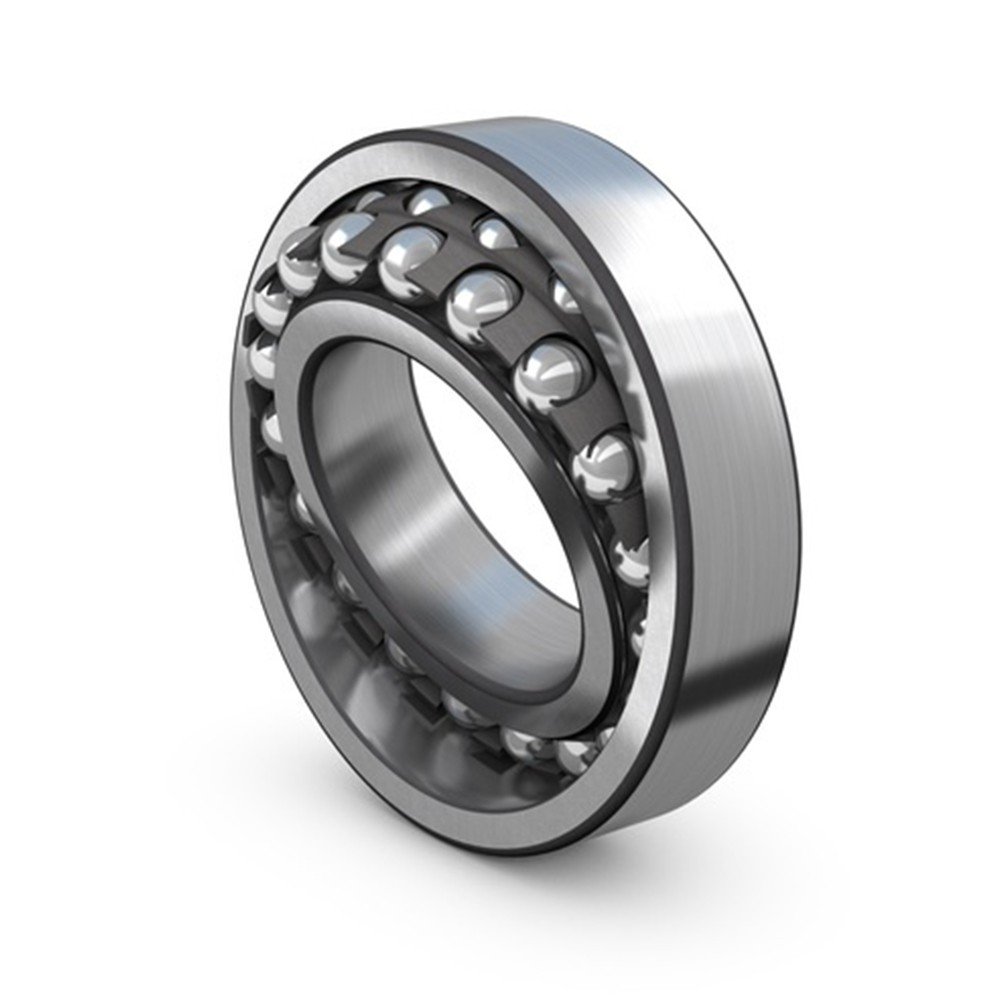
Are there specific considerations for choosing self-aligning bearings in applications with challenging operating conditions or varying misalignment requirements?
Yes, there are specific considerations to take into account when choosing self-aligning bearings for applications with challenging operating conditions or varying misalignment requirements. Here’s a detailed explanation:
- Operating Conditions:
When selecting self-aligning bearings for challenging operating conditions, it’s important to consider factors such as temperature, speed, load, and environmental conditions. High temperatures, extreme speeds, heavy loads, and harsh environments can all impact the performance and durability of the bearing. In such cases, it may be necessary to choose self-aligning bearings with special heat-resistant materials, high-speed capabilities, increased load-carrying capacity, or enhanced corrosion resistance. Additionally, proper lubrication selection and maintenance practices become crucial to ensure optimal performance and longevity of the bearings.
- Misalignment Requirements:
Self-aligning bearings are specifically designed to accommodate misalignment between the shaft and the housing. However, different applications may have varying misalignment requirements. It’s important to consider the magnitude and type of misalignment that the bearing will experience. Some self-aligning bearings can accommodate larger misalignments, while others are designed for smaller or specific types of misalignments, such as angular or parallel misalignment. Understanding the misalignment characteristics of the application is essential to select the appropriate self-aligning bearings that can effectively handle the expected misalignment conditions.
- Load Capacity and Dynamic Performance:
In applications with challenging operating conditions, it’s crucial to assess the load capacity and dynamic performance requirements of the self-aligning bearings. Heavy loads, shock loads, or vibrations can significantly affect the bearing’s performance and service life. It’s important to choose self-aligning bearings with adequate load-carrying capacity, high shock resistance, and robust construction to withstand the demanding conditions. Additionally, the dynamic performance of the bearing, including factors such as rotational speed, acceleration, and deceleration, should be carefully evaluated to ensure that the selected bearings can meet the application’s performance requirements.
- Sealing and Contamination Prevention:
In challenging operating conditions, effective sealing and contamination prevention become crucial for self-aligning bearings. Dust, dirt, moisture, and other contaminants can significantly impact the bearing’s performance and service life. It’s important to select self-aligning bearings with appropriate sealing solutions, such as contact seals, non-contact seals, or hybrid seals, depending on the specific application requirements. These seals help prevent the ingress of contaminants and maintain the integrity of the bearing’s internal components, ensuring reliable operation even in harsh environments.
- Lubrication and Maintenance:
Lubrication and maintenance practices are critical considerations for self-aligning bearings in challenging operating conditions. Proper lubrication selection, including the choice of lubricant type, viscosity, and replenishment frequency, is essential to ensure optimal bearing performance and minimize the risk of premature wear or failure. Additionally, adhering to appropriate maintenance practices, such as regular inspections, re-lubrication, and monitoring of operating conditions, can help identify any potential issues early on and prevent costly downtime or unexpected failures.
By considering these specific factors and requirements, engineers can choose the most suitable self-aligning bearings for applications with challenging operating conditions or varying misalignment requirements. Taking into account the unique demands of the application ensures optimal performance, durability, and reliability of the self-aligning bearings in even the most demanding environments.
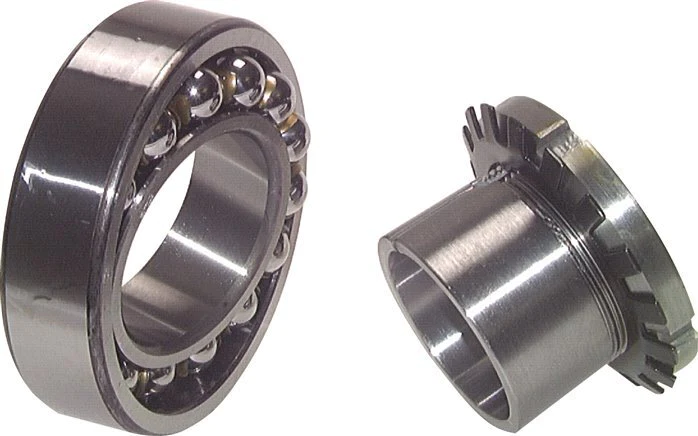
Can you provide examples of machinery or equipment that rely on self-aligning bearings for reliable operation?
Self-aligning bearings play a crucial role in ensuring the reliable operation of various types of machinery and equipment. Here are some examples of machinery and equipment that rely on self-aligning bearings:
- Mining Equipment: Self-aligning bearings are used in mining equipment such as crushers, vibrating screens, and conveyor systems. These bearings help compensate for misalignment caused by heavy loads, vibrations, and uneven terrain, ensuring smooth operation and minimizing downtime in the mining industry.
- Construction Machinery: Construction machinery, including excavators, loaders, and concrete mixers, rely on self-aligning bearings. These bearings accommodate misalignment caused by heavy loads, shock loads, and dynamic forces, enabling reliable performance and durability in demanding construction sites.
- Paper Machines: Self-aligning bearings are essential components in paper machines, including the dryer section, press section, and calender rolls. These bearings compensate for misalignment caused by thermal expansion, high speeds, and varying loads, ensuring precise alignment and smooth operation throughout the paper manufacturing process.
- Steel Rolling Mills: Self-aligning bearings are critical in steel rolling mills, where they support the heavy loads and high temperatures involved in the rolling process. These bearings accommodate misalignment caused by thermal expansion, roll deflection, and varying loads, ensuring the accuracy and efficiency of the rolling operations.
- Printing Presses: Printing presses rely on self-aligning bearings in their rollers, cylinders, and other moving parts. These bearings compensate for misalignment caused by high-speed rotations, vibrations, and thermal effects, ensuring precise alignment and reliable operation in the printing industry.
- Wind Turbines: Self-aligning bearings are crucial components in wind turbines, supporting the main shaft and rotor assembly. These bearings accommodate misalignment caused by wind gusts, turbine movements, and varying loads, enabling efficient power generation and prolonged service life of the wind turbine.
- Automotive Wheel Hubs: Self-aligning bearings are used in automotive wheel hub assemblies, providing reliable rotation and supporting the vehicle’s weight. These bearings compensate for misalignment caused by uneven road surfaces, cornering forces, and thermal effects, ensuring safe and smooth operation of automotive vehicles.
- Food Processing Equipment: Self-aligning bearings are employed in food processing equipment such as mixers, blenders, and conveyors. These bearings accommodate misalignment caused by varying loads, thermal effects, and sanitation processes, ensuring hygienic operation and reliability in food manufacturing facilities.
These are just a few examples of the machinery and equipment that rely on self-aligning bearings for reliable operation. Self-aligning bearings are utilized in a wide range of industries, including mining, construction, paper manufacturing, steel production, printing, renewable energy, automotive, and food processing, among others. Their ability to compensate for misalignment, handle high loads, and ensure smooth operation makes them indispensable components in numerous applications.
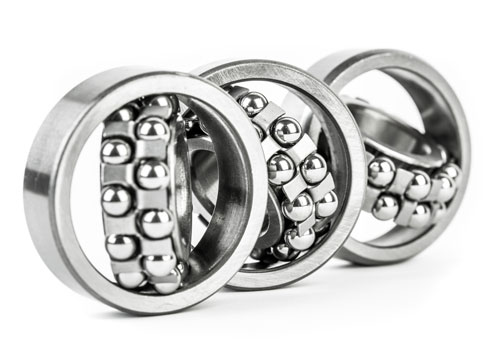
Can you explain the advantages and unique features of self-aligning bearings?
Self-aligning bearings offer several advantages and unique features that make them suitable for a wide range of applications. Here’s a detailed explanation of the advantages and unique features of self-aligning bearings:
- Misalignment Compensation:
One of the primary advantages of self-aligning bearings is their ability to accommodate misalignment between the shaft and the housing. This includes angular misalignment, axial misalignment, and shaft deflection. The self-aligning design allows the bearing to adjust its position and compensate for these misalignments, ensuring smooth operation and reducing stress on the bearing components.
- Reduced Friction and Wear:
Self-aligning bearings help reduce friction and wear in machinery. By accommodating misalignment, they distribute the load more evenly across the rolling elements and raceways, minimizing localized stresses. This results in lower friction, reduced wear, and longer bearing life. Additionally, the self-aligning capability helps prevent excessive heat generation, which can further contribute to reduced friction and wear.
- Shock and Vibration Absorption:
Self-aligning bearings have the unique ability to absorb shocks and vibrations that occur during operation. The spherical outer ring raceway allows the bearing to move and adjust its position, effectively dampening the impact of shocks and vibrations. This helps improve the overall stability of the machinery, reduces the transmission of vibrations, and protects other components from excessive forces.
- Easy Installation and Maintenance:
Self-aligning bearings are relatively easy to install and maintain. During installation, their self-aligning capability simplifies the alignment process, as slight misalignments can be accommodated. This saves time and effort in achieving precise alignment. Additionally, self-aligning bearings are typically designed for easy maintenance, allowing for straightforward tasks such as re-greasing or replacement without requiring complex disassembly.
- Wide Application Range:
Self-aligning bearings are versatile and find applications in various industries and machinery. They are commonly used in applications where misalignment is expected, such as in heavy machinery, conveyor systems, agricultural equipment, and mining operations. The ability to accommodate misalignment makes self-aligning bearings suitable for challenging environments and dynamic operating conditions.
- Cost-Effective Solution:
Self-aligning bearings offer a cost-effective solution in many applications. Their ability to compensate for misalignment helps prevent premature failure and reduces the need for frequent maintenance or realignment. This can result in cost savings by extending the bearing’s service life, improving overall machinery reliability, and reducing downtime for repairs or replacements.
In summary, self-aligning bearings provide advantages such as misalignment compensation, reduced friction and wear, shock and vibration absorption, easy installation and maintenance, wide application range, and cost-effectiveness. These unique features make them a valuable choice for various industries and applications where misalignment and dynamic operating conditions are present.


editor by lmc 2024-11-19