Product Description
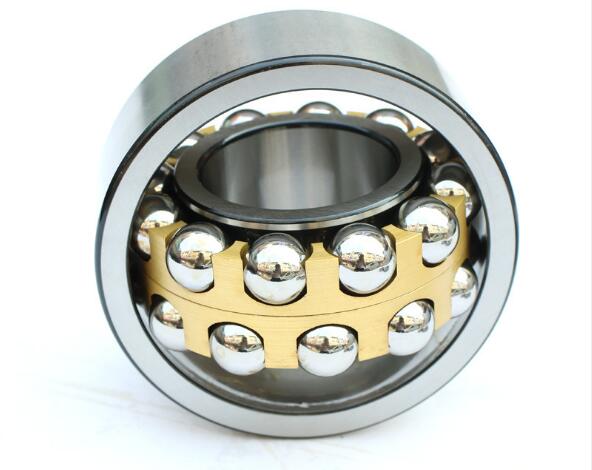
Zys Cheap Price Auto Part Steel Cage or Brass Cage Self-Aligning Roller Bearing Spherical Roller Bearing 24030cc/W33 from China bearing factory
Product Description
Application of spherical roller bearing:
Continuous Casting Machines
Mechanical Fans and Blowers
Gearbox and Pumps
Wind Turbines
Material Handling
Marine Propulsion and Offshore Drilling
Mining and Construction Equipment
Pulp and Paper Processing Equipment
Spherical roller bearings have 2 rows of rollers that are mainly used for withstanding radial loads and also axial loads in either direction. Self-aligning roller bearings have high radial load capacity, especially suitable for heavy load or vibration load, but can not withstand the axial load. Spherical roller thrust bearings have good self-aligning properties and can compensate for the coaxiality error.
Product Parameters
| Product Name | Spherical Roller Bearing |
| Precision Rating | P6, P0, P5, P4, P2 |
| Material | Bearing Steel (GCr15) |
| Clearance | C0 C1 C2 C3 C4 C5 |
| Vibration & Noisy | Z1, Z2, Z3 V1, V2, V3 |
| Cage | Brass, Nylon, Steel |
| Seal | ZZ, 2RS |
| Features | High Precision, High Speed, Long Life, High Reliability, Low Noise, Reduce Friction |
| Certification | ISO 9001: 2008 |
| Packing | 1. Neutral Packing Bearing 2. Industrial Packing 3. Commercial Packing Bearing 4. Customize |
| Delivery Time | 7 Days After The Order is Confirmed |
| Shippment | 1. By Sea 2. By Air 3. By Express |
Table list of Spherical Roller Bearing
| Model | Boundary Dimensions (mm) | Basic Load Rating (KN) | Mass | |||||
| D | D | B | C | Co | Kg | |||
| 21307 | 21307K | 21307W33 | 35 | 80 | 21 | 70.70 | 73.30 | 0.547 |
| 21308 | 21308K | 21308W33 | 40 | 90 | 23 | 87.60 | 92.00 | 0.751 |
| 21309 | 21309K | 21309W33 | 45 | 100 | 25 | 105.00 | 112.00 | 1.571 |
| 21310 | 21310K | 21310W33 | 50 | 110 | 27 | 121.00 | 129.00 | 1.300 |
| 21311 | 21311K | 21311W33 | 55 | 120 | 29 | 141.00 | 152.00 | 1.660 |
| 21312 | 21312K | 21312W33 | 60 | 130 | 31 | 165.00 | 175.00 | 1.990 |
| 21313 | 21313K | 21313W33 | 65 | 140 | 33 | 186.00 | 197.00 | 2.450 |
| 21314 | 21314K | 21314W33 | 70 | 150 | 35 | 206.00 | 223.00 | 2.980 |
| 21315 | 21315K | 21315W33 | 75 | 160 | 37 | 249.00 | 270.00 | 3.630 |
| 21316 | 21316K | 21316W33 | 80 | 170 | 39 | 272.00 | 306.00 | 4.290 |
| 21317 | 21317K | 21317W33 | 85 | 180 | 41 | 297.00 | 351.00 | 5.190 |
| 21318 | 21318K | 21318W33 | 90 | 190 | 43 | 320.00 | 387.00 | 6.090 |
| 21319 | 21319K | 21319W33 | 95 | 200 | 45 | 366.00 | 500.00 | 7.150 |
| 21320 | 21320K | 21320W33 | 100 | 215 | 47 | 397.00 | 546.00 | 8.810 |
| 21322 | 21322K | 21322W33 | 110 | 240 | 50 | 460.00 | 634.00 | 9.460 |
| Dimensions | Chamfer | Basic Load Ratings | Designation | Weight | Speed limited | |||||
| mm | r/min | |||||||||
| d | D | B | rmin | Cr | Cor | Current | Original | Kgs | Grease | Oil |
| 150 | 225 | 56 | 2.1 | 338 | 768 | 23030 | 305710 | 8.91 | 1700 | 2200 |
| 150 | 225 | 56 | 2.1 | 338 | 768 | 23030/W33 | 305710Y | 8.85 | 1700 | 2200 |
| 150 | 225 | 75 | 2.1 | 564 | 1040 | 24030CC/W33 | 10.5 | 1300 | 1700 | |
| 150 | 250 | 100 | 2.1 | 890 | 1600 | 24130C | 457130 | 20.4 | 1000 | 1400 |
| 150 | 250 | 100 | 2.1 | 890 | 1600 | 24130C/W33 | 457130Y | 20 | 1000 | 1400 |
| 150 | 270 | 73 | 3 | 738 | 1100 | 22230C | 53530 | 18.9 | 1600 | 2000 |
| 150 | 270 | 96 | 3 | 935 | 1520 | 23230C/W33 | 357130Y | 24.3 | 1100 | 1500 |
| 150 | 320 | 108 | 4 | 1270 | 1850 | 22330CA/W33 | 53630HY | 41.7 | 1000 | 1400 |
| Dimensions | Chamfer | Basic Load Ratings | Designation | Weight | Speed limited | |||||
| mm | r/min | |||||||||
| d | D | B | rmin | Cr | Cor | Current | Original | Kgs | Grease | Oil |
| 160 | 240 | 60 | 2.1 | 376 | 825 | 23032 | 305712 | 13.5 | 1700 | 2200 |
| 160 | 240 | 60 | 2.1 | 376 | 825 | 23032/W33 | 305712Y | 13.4 | 1700 | 2200 |
| 160 | 240 | 80 | 2.1 | 652 | 1230 | 24032C | 457132 | 12.9 | 1100 | 1500 |
| 160 | 240 | 80 | 2.1 | 652 | 1230 | 24032C/W33 | 457132Y | 12.8 | 1100 | 1500 |
| 160 | 270 | 109 | 2.1 | 1040 | 1880 | 24132C | 457132 | 25.4 | 950 | 1300 |
| 160 | 270 | 109 | 2.1 | 1040 | 1880 | 24132C/W33 | 457132Y | 25 | 950 | 1300 |
| 160 | 290 | 80 | 3 | 658 | 1140 | 22232 | 3532 | 22.2 | 1500 | 1900 |
| 160 | 290 | 80 | 3 | 658 | 1140 | 22232/W33 | 3532Y | 22.1 | 1500 | 1900 |
| 160 | 340 | 114 | 4 | 1170 | 1730 | 22332/W33 | 3632Y | 49.9 | 950 | 1300 |
| Dimensions | Chamfer | Basic Load Ratings | Designation | Weight | Speed limited | |||||
| mm | r/min | |||||||||
| d | D | B | rmin | Cr | Cor | Current | Original | Kgs | Grease | Oil |
| 170 | 260 | 67 | 2.1 | 450 | 1571 | 23034 | 305714 | 14.7 | 1600 | 2000 |
| 170 | 260 | 67 | 2.1 | 450 | 1571 | 23034/W33 | 305714Y | 14.6 | 1600 | 2000 |
| 170 | 280 | 109 | 2.1 | 700 | 1200 | 24134/W33 | – | 27 | 1300 | 1700 |
| 170 | 310 | 86 | 4 | 22234 | 1300 | |||||
| 170 | 310 | 86 | 4 | 730 | 1300 | 22234/W33 | 3534Y | 27.2 | 1300 | 1700 |
| 170 | 310 | 110 | 4 | 1160 | 1835 | 23234CA | 357134H | 37.1 | 950 | 1300 |
| 170 | 360 | 120 | 4 | 22334 | 950 | |||||
| 170 | 360 | 120 | 4 | 1200 | 2060 | 22334/W33 | 3634Y | 59.3 | 950 | 1300 |
| Dimensions | Chamfer | Basic Load Ratings | Designation | Weight | Speed limited | |||||
| mm | r/min | |||||||||
| d | D | B | rmin | Cr | Cor | Current | Original | Kgs | Grease | Oil |
| 180 | 280 | 100 | 2.1 | 930 | 1820 | 24036 | 405716 | 22.5 | 950 | 1300 |
| 180 | 280 | 100 | 2.1 | 930 | 1820 | 24036/W33 | 405716Y | 22.3 | 950 | 1300 |
| 180 | 300 | 96 | 3 | 695 | 1480 | 23136 | 305716 | 27.1 | 1100 | 1500 |
| 180 | 300 | 96 | 3 | 695 | 1480 | 23136/W33 | 305716Y | 26.8 | 1100 | 1500 |
| 180 | 300 | 96 | 3 | 695 | 1480 | 23136/C9 | 305716U | 27.1 | 1100 | 1500 |
| 180 | 300 | 96 | 3 | 695 | 1480 | 23136/W33YA2 | 305716KY | 26.8 | 1100 | 1500 |
| 180 | 300 | 96 | 3 | 695 | 1480 | 23136N | 325716 | 26.4 | 1100 | 1500 |
| 180 | 320 | 86 | 4 | 750 | 1370 | 22236 | 3536 | 28.6 | 1300 | 1700 |
| 180 | 320 | 86 | 4 | 750 | 1370 | 22236/W33 | 3536Y | 28.3 | 1300 | 1700 |
| 180 | 320 | 112 | 4 | 1280 | 2170 | 23236CA | 357136H | 39.6 | 900 | 1200 |
| 180 | 320 | 112 | 4 | 1280 | 2170 | 23236CA/W33 | 357136HY | 39.5 | 900 | 1200 |
| 180 | 320 | 112 | 4 | 1280 | 2170 | 23236CA/W33YA2 | 357136HKY | 39.4 | 900 | 1200 |
| 180 | 380 | 126 | 4 | 1430 | 2210 | 22336 | 3636 | 80.7 | 900 | 1200 |
| 180 | 380 | 126 | 4 | 1430 | 2210 | 22336/W33 | 3636Y | 79.9 | 900 | 1200 |
| Dimensions | Chamfer | Basic Load Ratings | Designation | Weight | Speed limited | |||||
| mm | r/min | |||||||||
| d | D | B | rmin | Cr | Cor | Current | Original | Kgs | Grease | Oil |
| 190 | 280 | 67 | 2.5 | 542 | 978 | 2638 | 3738 | 13.7 | 1000 | 1400 |
| 190 | 290 | 75 | 2.1 | 626 | 1230 | 23038 | 305718 | 20.5 | 1300 | 1700 |
| 190 | 290 | 75 | 2.1 | 626 | 1230 | 23038/W33 | 305718Y | 20.3 | 1300 | 1700 |
| 190 | 320 | 128 | 3 | 1200 | 2100 | 24138CA/W33 | – | 42 | 850 | 1100 |
| 190 | 340 | 92 | 4 | 1070 | 1650 | 22238CA | 53538H | 36 | 1200 | 1600 |
| 190 | 340 | 120 | 4 | 1410 | 2490 | 23238CA | 357138H | 51 | 850 | 1100 |
| 190 | 400 | 132 | 5 | 1400 | 2530 | 22338 | 3638 | 80.6 | 850 | 1100 |
| 190 | 400 | 132 | 5 | 1400 | 2530 | 22338/W33 | 3638Y | 79.7 | 850 | 1100 |
| Dimensions | Chamfer | Basic Load Ratings | Designation | Weight | Speed limited | |||||
| mm | r/min | |||||||||
| d | D | B | rmin | Cr | Cor | Current | Original | Kgs | Grease | Oil |
| 200 | 310 | 82 | 2.1 | 655 | 1310 | 23040 | 35710 | 26.2 | 1200 | 1600 |
| 200 | 310 | 82 | 2.1 | 655 | 1310 | 23040/W33 | 35710Y | 26 | 1200 | 1600 |
| 200 | 310 | 109 | 2.1 | 900 | 1830 | 24040CA/W33 | – | 30.5 | 1100 | 1500 |
| 200 | 340 | 112 | 3 | 930 | 2571 | 23140 | 305710 | 50.9 | 950 | 1300 |
| 200 | 340 | 112 | 3 | 930 | 2571 | 23140/W33 | 305710Y | 50.5 | 950 | 1300 |
| 200 | 340 | 140 | 3 | 1530 | 2950 | 24140C | 457140 | 52 | 800 | 1000 |
| 200 | 340 | 140 | 3 | 1530 | 2950 | 24140C/W33 | 457140Y | 51.9 | 800 | 1000 |
| 200 | 360 | 98 | 4 | 940 | 1740 | 22240 | 3540 | 44.7 | 1100 | 1500 |
| 200 | 360 | 98 | 4 | 940 | 1740 | 22240/W33 | 3540Y | 44.2 | 1100 | 1500 |
| 200 | 360 | 128 | 4 | 1000 | 1800 | 23240/W33 | 3003240Y | 56.5 | 950 | 1300 |
| 200 | 420 | 114 | 4 | 1600 | 2600 | 22246 | 3546 | 69.5 | 750 | 950 |
| 200 | 420 | 138 | 5 | 1530 | 2720 | 22340 | 3640 | 95.3 | 850 | 1100 |
| 200 | 420 | 138 | 5 | 1530 | 2720 | 22340/W33 | 3640Y | 95 | 850 | 1100 |
| Dimensions | Chamfer | Basic Load Ratings | Designation | Weight | Speed limited | ||||
| mm | r/min | ||||||||
| D | B | rmin | Cr | Cor | Current | Original | Kgs | Grease | Oil |
| 320 | 76 | 3 | 758 | 1280 | 2644 | 3844 | 21.6 | 1000 | 1400 |
| 370 | 120 | 4 | 1050 | 2350 | 23144 | 305714 | 54 | 900 | 1200 |
| 370 | 120 | 4 | 1050 | 2350 | 23144/W33 | 305714Y | 53.5 | 900 | 1200 |
| 400 | 108 | 4 | 1200 | 2220 | 22244 | 3544 | 57.6 | 950 | 1300 |
| 400 | 108 | 4 | 1200 | 2220 | 22244/W33 | 3544Y | 57.1 | 950 | 1300 |
| 400 | 144 | 4 | 2070 | 3620 | 23244 | 3003244 | 94.6 | 750 | 950 |
| 400 | 144 | 4 | 2070 | 3620 | 23244/W33 | 3003244Y | 94.2 | 750 | 950 |
| 460 | 145 | 5 | 1700 | 3200 | 22344 | 3644 | 130 | 750 | 950 |
| 460 | 145 | 5 | 1700 | 3200 | 22344/W33 | 3644Y | 129 | 750 | 950 |
| mm | Chamfer | Basic Load Ratings | Designation | Weight | r/min | ||||
| D | B | rmin | Cr | Cor | Current | Original | Kgs | Grease | Oil |
| 420 | 114 | 4 | 1600 | 2600 | 22246 | 3546 | 69.5 | 750 | 950 |
| Dimensions | Chamfer | Basic Load Ratings | Designation | Weight | Speed limited | ||||
| mm | r/min | ||||||||
| D | B | rmin | Cr | Cor | Current | Original | Kgs | Grease | Oil |
| 360 | 92 | 3 | 820 | 2060 | 23048 | 35718 | 37.6 | 1000 | 1400 |
| 360 | 92 | 3 | 820 | 2060 | 23048/W33 | 35718Y | 37.4 | 1000 | 1400 |
| 360 | 118 | 3 | 1000 | 2200 | 24048CA/W33 | – | 41.7 | 900 | 1200 |
| 400 | 128 | 4 | 1200 | 2850 | 23148 | 305718 | 77.2 | 850 | 1100 |
| 400 | 128 | 4 | 1200 | 2850 | 23148/W33 | 305718Y | 75.2 | 850 | 1100 |
| 400 | 160 | 4 | 2100 | 3980 | 24148/W33 | 405718Y | 81.6 | 480 | 600 |
| 440 | 120 | 4 | 1870 | 2890 | 22248 | 3548 | 85 | 900 | 1200 |
| 440 | 160 | 4 | 2490 | 4490 | 23248 | 3003248 | 128 | 670 | 850 |
| 440 | 160 | 4 | 2490 | 4490 | 23248/W33 | 3003248Y | 127 | 670 | 850 |
| 500 | 155 | 5 | 1780 | 3250 | 22348 | 3648 | 154 | 670 | 850 |
| 500 | 155 | 5 | 1780 | 3250 | 22348/W33 | 3648Y | 153 | 670 | 850 |
| Dimensions | Chamfer | Basic Load Ratings | Designation | Weight | Speed limited | ||||
| mm | r/min | ||||||||
| D | B | rmin | Cr | Cor | Current | Original | Kgs | Grease | Oil |
| 365 | 87 | 3 | 950 | 1650 | 2650 | 3750 | 32.2 | 1000 | 1400 |
| Dimensions | Chamfer | Basic Load Ratings | Designation | Weight | Speed limited | ||||
| mm | r/min | ||||||||
| D | B | rmin | Cr | Cor | Current | Original | Kgs | Grease | Oil |
| 360 | 57 | 2.1 | 800 | 1500 | 23952CA/W33 | – | 22.5 | 1000 | 1400 |
| 400 | 104 | 4 | 1000 | 2450 | 23052 | 305712 | 51.5 | 900 | 1200 |
| 400 | 104 | 4 | 1000 | 2450 | 23052/W33 | 305712Y | 51.2 | 900 | 1200 |
| 400 | 140 | 4 | 1300 | 3000 | 24052CA/W33 | – | 64.4 | 850 | 1100 |
| 440 | 144 | 4 | 1450 | 3320 | 23152 | 305712 | 96 | 800 | 1000 |
| 440 | 180 | 4 | 2660 | 5180 | 24152C/W33 | 457152Y | 113 | 800 | 1000 |
| 480 | 130 | 5 | 2160 | 3400 | 22252CA | 53552H | 105 | 850 | 1100 |
| 480 | 174 | 5 | 2800 | 4550 | 23252C/W33 | 357152Y | 140 | 630 | 800 |
| 480 | 174 | 5 | 2800 | 4550 | 23252CA | 357152H | 151 | 630 | 800 |
| 480 | 174 | 5 | 2800 | 4550 | 23252CA/W33 | 357152HY | 151 | 630 | 800 |
| 490 | 153 | 4 | 2070 | 3650 | 2652 | 3752 | 140 | 670 | 850 |
| 540 | 165 | 6 | 2250 | 4190 | 22352 | 3652 | 193 | 630 | 800 |
| 540 | 165 | 6 | 2250 | 4190 | 22352/W33 | 3652Y | 192 | 630 | 800 |
| Dimensions | Chamfer | Basic Load Ratings | Designation | Weight | Speed limited | ||||
| mm | r/min | ||||||||
| D | B | rmin | Cr | Cor | Current | Original | Kgs | Grease | Oil |
| 380 | 75 | 2.1 | 800 | 1500 | 23956CA/W33 | 3113956Y | 24.5 | 900 | 1200 |
| 420 | 106 | 4 | 1100 | 2680 | 23056 | 305716 | 62 | 850 | 1100 |
| 420 | 106 | 4 | 1100 | 2680 | 23056/W33 | 305716Y | 61.5 | 850 | 1100 |
| 420 | 140 | 4 | 1200 | 2800 | 24056CA/W33 | – | 67.2 | 800 | 1000 |
| 460 | 146 | 5 | 1590 | 3630 | 23156 | 305716 | 95.5 | 750 | 950 |
| 460 | 180 | 5 | 2000 | 4100 | 24156CA/W33 | – | 119 | 750 | 950 |
| 500 | 130 | 5 | 1690 | 3380 | 22256 | 3556 | 126 | 800 | 1000 |
| 500 | 130 | 5 | 1690 | 3380 | 22256/W33 | 3556Y | 124 | 800 | 1000 |
| 500 | 176 | 5 | 2880 | 4900 | 23256 | 3003256 | 153 | 600 | 750 |
| 500 | 176 | 5 | 2880 | 4900 | 23256/W33 | 3003256Y | 152 | 600 | 750 |
| 580 | 175 | 6 | 3500 | 5150 | 22356 | 3656 | 238 | 600 | 750 |
| 580 | 175 | 6 | 3500 | 5150 | 22356/W33 | 3656Y | 238 | 600 | 750 |
| Dimensions | Chamfer | Basic Load Ratings | Designation | Weight | Speed limited | ||||
| mm | r/min | ||||||||
| D | B | rmin | Cr | Cor | Current | Original | Kgs | Grease | Oil |
| 460 | 118 | 4 | 1260 | 3070 | 23060 | 30 0571 0 | 75.2 | 800 | 1000 |
| 460 | 118 | 4 | 1260 | 3070 | 23060/W33 | 30 0571 0Y | 74.6 | 800 | 1000 |
| 460 | 160 | 4 | 2360 | 5571 | 24060C/W33 | 457160Y | 101 | 600 | 750 |
| 500 | 160 | 5 | 2670 | 4800 | 23160 | 30 0571 0 | 134 | 670 | 850 |
| 500 | 160 | 5 | 2670 | 4800 | 23160/W33 | 30 0571 0Y | 133 | 670 | 850 |
| 500 | 200 | 5 | 3100 | 5800 | 24160C | 457160 | 160 | 530 | 670 |
| 500 | 200 | 5 | 3100 | 580 | 24160C/W33 | 457160Y | 159 | 530 | 670 |
| 540 | 140 | 5 | 2610 | 4250 | 22260 | 3560 | 143 | 750 | 950 |
| Dimensions | Chamfer | Basic Load Ratings | Designation | Weight | Speed limited | ||||
| mm | r/min | ||||||||
| D | B | rmin | Cr | Cor | Current | Original | Kgs | Grease | Oil |
| 440 | 90 | 3 | 1060 | 2390 | 23964K | 3113964 | 45.1 | 900 | 1200 |
| 480 | 121 | 4 | 1380 | 3260 | 23064 | 30 0571 4 | 81.5 | 800 | 1000 |
| 480 | 121 | 4 | 1380 | 3260 | 23064/W33 | 30 0571 4Y | 80.9 | 800 | 1000 |
| 480 | 160 | 4 | 2440 | 5050 | 24064 | 40 0571 4 | 103 | 560 | 700 |
| 540 | 218 | 5 | 3550 | 6650 | 24164 | 40 0571 4 | 252 | 480 | 600 |
| 540 | 218 | 5 | 3550 | 6650 | 24164/W33 | 40 0571 4Y | 251 | 480 | 600 |
| 580 | 208 | 5 | 3900 | 6900 | 23264 | 3003264 | 260 | 500 | 630 |
| 580 | 208 | 5 | 3900 | 6900 | 23264/W33 | 3003264Y | 259 | 500 | 630 |
| Dimensions | Chamfer | Basic Load Ratings | Designation | Weight | Speed limited | ||||
| mm | r/min | ||||||||
| D | B | rmin | Cr | Cor | Current | Original | Kgs | Grease | Oil |
| 460 | 90 | 3 | 1330 | 2840 | 23968 | 30 0571 8 | 50.5 | 900 | 1200 |
| 520 | 133 | 5 | 1580 | 3810 | 23068 | 30 0571 8 | 109 | 700 | 900 |
| 520 | 133 | 5 | 1580 | 3810 | 23068/W33 | 30 0571 8Y | 109 | 700 | 900 |
| 520 | 180 | 5 | 2920 | 6050 | 24068/W33 | 40 0571 8Y | 160 | 530 | 670 |
| 580 | 190 | 5 | 3200 | 6200 | 23168/W33 | 300368Y | 207 | 500 | 630 |
| Dimensions | Chamfer | Basic Load Ratings | Designation | Weight | Speed limited | ||||
| mm | r/min | ||||||||
| D | B | rmin | Cr | Cor | Current | Original | Kgs | Grease | Oil |
| 480 | 90 | 3 | 1130 | 2710 | 23972 | 3003972 | 49.1 | 850 | 1100 |
| 540 | 134 | 5 | 1750 | 4180 | 23072 | 30 0571 2 | 114 | 670 | 850 |
| 540 | 134 | 5 | 1750 | 4180 | 23072/W33 | 30 0571 2Y | 114 | 670 | 850 |
| 540 | 180 | 5 | 2930 | 6100 | 24072C | 457172 | 149 | 500 | 630 |
| 540 | 180 | 5 | 2930 | 6100 | 24072C/W33 | 457172Y | 148 | 500 | 630 |
| 600 | 192 | 5 | 3800 | 7100 | 23172 | 305712 | 222 | 560 | 700 |
| 600 | 192 | 5 | 3800 | 7100 | 23172/W33 | 305712Y | 221 | 560 | 700 |
| 600 | 243 | 5 | 4300 | 8000 | 24172 | 405712 | 333 | 430 | 530 |
| 600 | 243 | 5 | 4300 | 8000 | 24172CA/W33 | 405712HY | 338 | 430 | 530 |
| 750 | 224 | 7.5 | 4180 | 7500 | 22372 | 3672 | 494 | 340 | 430 |
| Dimensions | Chamfer | Basic Load Ratings | Designation | Weight | Speed limited | ||||
| mm | r/min | ||||||||
| D | B | rmin | Cr | Cor | Current | Original | Kgs | Grease | Oil |
| 520 | 106 | 4 | 1870 | 4100 | 23976 | 3003976 | 73.5 | 800 | 1000 |
| 560 | 135 | 5 | 2500 | 5100 | 23076 | 30 0571 6 | 122 | 630 | 800 |
| 620 | 194 | 5 | 2680 | 6240 | 23176 | 305716 | 244 | 400 | 500 |
| 620 | 194 | 5 | 2680 | 6240 | 23176/W33 | 305716Y | 243 | 400 | 500 |
| Dimensions | Chamfer | Basic Load Ratings | Designation | Weight | Speed limited | ||||
| mm | r/min | ||||||||
| D | B | rmin | Cr | Cor | Current | Original | Kgs | Grease | Oil |
| 590 | 142 | 6 | 2290 | 4420 | 2680 | 3880 | 145 | 400 | 500 |
| 600 | 148 | 5 | 2970 | 5900 | 23080 | 30 0571 0 | 165 | 600 | 750 |
| 600 | 148 | 5 | 2970 | 5900 | 23080/W33 | 30 0571 0Y | 165 | 600 | 750 |
| 650 | 200 | 6 | 4150 | 7900 | 23180 | 305710 | 239 | 380 | 480 |
| 650 | 250 | 6 | 4500 | 8900 | 24180 | – | 326 | 340 | 430 |
| 650 | 200 | 6 | 4150 | 7900 | 23180/W33 | 305710Y | 238 | 380 | 480 |
| 720 | 256 | 6 | 5800 | 10400 | 23280 | 3003280 | 530 | 340 | 430 |
| 720 | 256 | 6 | 5800 | 10400 | 23280/W33 | 3003280Y | 530 | 340 | 430 |
About ZYS
HangZhou Bearing Research Institute Co., Ltd. is a high tech enterprise specializing in the development of “high rank, precise, advanced, unique,
special” bearing products for the key units in various fields of national economic construction. Its predecessor, HangZhou Bearing Research Institute,
was established in 1958. It is the only state level comprehensive research institute in China’s bearing industry. In 1999, it entered China National
Machinery Industry Group Co., Ltd. and transformed into a science and technology enterprise.
We focus on developing high performance bearing products for key units of national economic construction. We perform batch production of various
high rank bearing products and components with inner diameter of 0.6mm to outer diameter of 6.8m. We are mainly engaged in the research,
development, production and sales of precision bearing, special bearing, high speed machine tool spindle, bearing special equipment, bearing
testing instruments, bearing testing machine and bearing special materials, which are widely used in the fields of aerospace, machine tools, wind
power generation, mine metallurgy, petrochemical, medical equipment, automobiles and rail transit, construction machinery, intelligent
manufacturing services, etc.
We have total assets of 2.06 billion RMB, own one research and development center, three industrial bases and cover an area of more than 47 hectares. We have advanced bearing manufacturing equipments and world first class testing equipments and have solid strength in manufacturing,
measuring and testing of bearing and related components with high precision and high reliability. We have more than 380 technical staff of bearing
related disciplines, thus we maintain a leading position in the aspects of bearing design, basic theoretical research, lubrication technology, metallic
and non-metallic materials, testing and industry standards.
Many scientific research centers, laboratory and service agencies are set in our company, including National Bearing Quality Supervision and
Inspection Center, National Bearing Accreditation Laboratory, Industrial (Rolling Bearing) Product Quality Control and Technical Evaluation
Laboratory, National Rolling Bearing Standardization Technical Committee, ISO/TC4 Domestic Technology Responsible Unit, China Bearing
Industry Association Technical Committee, Machinery Industry Occupational Skill Identification Bearing Industry Sub-center, National Rolling Bearing
Industry Technology Innovation Strategic Alliance, High-end Bearing Tribology Technology and Application National Local Joint Engineering
Laboratory, State Key Laboratory of Shield Machine and Boring Technology (Bearing), Machinery Industry High speed Precision Bearing
Engineering Research Center, ZheJiang Province Machine Tool Spindle Unit Engineering Research Center, ZheJiang Province High Performance
Bearing Technology Key Laboratory, National Postdoctoral Research Workstation, ZheJiang Province Bearing Generic Technology Academician
Workstation, State Intellectual Property Office Patent Exchange Station and so on. We have so far achieved 908 major scientific research
achievements, among which there are 31 awards of National Invention Awards and National Science and Technology Progress Awards, and 234
awards of provincial scientific and technological achievement awards.We have attained 792 granted patents, among which there are 277 patents for
inventions. In addition, we established and revised the bearing industry technical standards for over 670 times, and also issued 457 volumes of
“Bearing” magazine.
Our Advantages
ZYS Precision Bearing Quality Control and Assurance:
Austrian AICHELIN heat treatment equipment and long-life heat treatment process provide a strong guarantee for the continuous and reliable operation of bearings.
ZYS MANUFACTURING CAPACITY
ZYS Quality assurance
ZYS bearing products
Exhibition
Packaging & Shipping
FAQ
Q: Are you trading company or manufacturer?
A: CZPT is bearing manufacturer, the only first-class comprehensive research institute in China bearing industry.
Q: How do you control quality of bearing?
A: CZPT has established quality control systems for each kind of bearing and spindle. All products and services passed ISO9001-2008 Quality Certificate.
Q: What is the MOQ?
A: It depends on the bearing type. You can send inquiry or send e-mail for more information.
Q: How about the package?
A: Industrial packing in general condition (Plastic tube+ carton+ pallet). Accept design package when OEM.
Q: How long is the delivery time?
A: It will take about 10 to 40 days, depends on the model and quantity.
Q: How about the shipping?
A: We can arrange the shipment or you may have the forwarder.
Q: Is sample avaiable?
A: Yes, sample order is acceptable.
Q: Can we use our own LOGO or design on bearings?
A: Yes. OEM is acceptable. We can design the bearing with your requirements and use your own LOGO and package design.
/* March 10, 2571 17:59:20 */!function(){function s(e,r){var a,o={};try{e&&e.split(“,”).forEach(function(e,t){e&&(a=e.match(/(.*?):(.*)$/))&&1
| Breadth: | 90mm |
|---|---|
| Inner Diameter: | 170mm |
| Rated Load: | Cr:865kn Cor:1420kn |
| Weight: | 17.2kg |
| Outer Diameter: | 260mm |
| Catogery: | Industrial Equipment & Components |
| Samples: |
US$ 9/Piece
1 Piece(Min.Order) | |
|---|
| Customization: |
Available
| Customized Request |
|---|
How do innovations and advancements in self-aligning bearing technology impact their use?
Advancements and innovations in self-aligning bearing technology have a significant impact on their use in various industries. Here’s a detailed explanation:
- Improved Performance:
Innovations in self-aligning bearing technology often result in improved performance characteristics. These advancements can include:
- Load Capacity: New bearing designs and materials can enhance the load-carrying capacity of self-aligning bearings, allowing them to withstand higher loads or operate under more demanding conditions.
- Speed Capability: Advancements in bearing manufacturing techniques and materials can increase the maximum rotational speed at which self-aligning bearings can operate effectively, enabling their use in high-speed applications.
- Friction Reduction: Innovations in bearing design, lubrication, and surface treatments contribute to reducing friction and energy losses, resulting in improved efficiency and reduced operating costs.
- Sealing and Contamination Resistance: New sealing technologies and materials can enhance the sealing performance of self-aligning bearings, providing better protection against contaminants, moisture, and harsh environmental conditions.
- Temperature and Corrosion Resistance: Advances in bearing materials and coatings enable self-aligning bearings to withstand extreme temperatures, aggressive chemicals, and corrosive environments, expanding their range of applications.
- Extended Service Life:
Innovations in self-aligning bearing technology often result in improved durability and longevity. These advancements can include:
- Materials: The development of new bearing materials, such as advanced steels, ceramics, or composites, can significantly enhance the bearing’s resistance to wear, fatigue, and surface damage, leading to extended service life.
- Lubrication: Advancements in lubrication technologies, such as the use of solid lubricants or advanced grease formulations, can provide better film formation, reduce friction, and minimize wear, thereby increasing the bearing’s operating life.
- Surface Treatments: Innovative surface treatments, such as coatings or finishes, can improve the bearing’s resistance to corrosion, wear, and fretting, contributing to longer service intervals and reduced maintenance requirements.
- Condition Monitoring: The integration of sensor technologies and data analytics in self-aligning bearings enables real-time monitoring of operating conditions, allowing for proactive maintenance and early detection of potential failures, thus maximizing the bearing’s service life.
- Application Expansion:
Advancements in self-aligning bearing technology often lead to an expansion of their application range. These advancements can include:
- New Industries: Innovations in self-aligning bearing technology can enable their use in industries or applications where they were previously not feasible. This opens up opportunities in emerging sectors, such as renewable energy, electric vehicles, robotics, or medical devices.
- Challenging Environments: Improved performance characteristics, such as enhanced sealing, temperature resistance, or contamination resistance, allow self-aligning bearings to be deployed in challenging environments, including offshore installations, high-temperature processes, or chemically aggressive applications.
- Specialized Applications: Advancements in self-aligning bearing technology can lead to the development of specialized bearing variants tailored for specific applications, such as high-speed machining, precision equipment, or demanding industrial automation systems.
Overall, innovations and advancements in self-aligning bearing technology bring about enhanced performance, extended service life, and expanded application possibilities. These advancements drive improvements in industrial productivity, reliability, and efficiency, making self-aligning bearings a valuable component in a wide range of industries and applications.

How do self-aligning bearings perform in applications with varying loads and misalignment challenges?
Self-aligning bearings are specifically designed to perform exceptionally well in applications with varying loads and misalignment challenges. Here’s an in-depth explanation of their performance characteristics:
- Misalignment Compensation:
Self-aligning bearings are capable of accommodating various types of misalignment, including angular misalignment and shaft deflection. They feature a design that incorporates two rows of rolling elements, such as balls or rollers, and a spherical outer ring raceway. This design allows the bearing to self-align, adapting to misalignment caused by factors such as shaft deflection, mounting errors, thermal expansion, and vibrations. Self-aligning bearings can handle misalignment within certain limits, maintaining proper alignment between the mating components and minimizing additional stresses on the bearing.
- Load-Carrying Capacity:
Self-aligning bearings are engineered to handle high loads, both radial and axial. They have a robust construction with larger rolling elements and increased contact area, enabling them to distribute the load more effectively. This enhanced load-carrying capacity makes self-aligning bearings suitable for applications where varying loads are encountered. Whether it’s fluctuating radial loads, axial loads, or a combination of both, self-aligning bearings can handle the dynamic forces and provide reliable performance.
- Flexibility and Versatility:
Self-aligning bearings offer flexibility and versatility in applications with varying loads and misalignment challenges. They can operate in conditions where shafts are not perfectly aligned or where there are slight shaft movements. This flexibility allows for easier installation and alignment adjustments, reducing the time and effort required for precise positioning of the bearing. Additionally, self-aligning bearings are available in different designs and configurations, including ball bearings and roller bearings, providing options to match specific application requirements.
- Reduced Friction and Heat Generation:
Self-aligning bearings are designed to minimize friction and heat generation during operation. The rolling elements and raceways are precisely engineered to reduce contact stresses and optimize the distribution of forces. This results in lower friction levels and reduced heat buildup, enhancing the overall efficiency and reliability of the bearing in applications where varying loads and misalignment challenges are present.
- Extended Service Life:
Due to their ability to accommodate misalignment and handle varying loads, self-aligning bearings contribute to an extended service life of the machinery. By reducing the stresses and excessive forces on the bearing and its surrounding components, self-aligning bearings help minimize wear, prevent premature failure, and increase the overall durability of the equipment.
In summary, self-aligning bearings excel in applications with varying loads and misalignment challenges. Their ability to compensate for misalignment, handle high loads, provide flexibility in installation, and reduce friction and heat generation makes them well-suited for industries such as mining, construction, paper manufacturing, steel production, and many others where these challenges are prevalent.
How do self-aligning bearings differ from fixed or non-self-aligning bearings?
Self-aligning bearings differ from fixed or non-self-aligning bearings in several ways. Here’s a detailed explanation of the differences between these types of bearings:
- Design and Construction:
The design and construction of self-aligning bearings are distinct from fixed or non-self-aligning bearings. Self-aligning bearings have a spherical outer ring raceway, which allows for misalignment compensation. In contrast, fixed or non-self-aligning bearings typically have a cylindrical or tapered outer ring raceway, designed for precise alignment between the shaft and the housing.
- Misalignment Compensation:
The primary difference between self-aligning bearings and fixed or non-self-aligning bearings is their ability to compensate for misalignment. Self-aligning bearings can accommodate angular misalignment, axial misalignment, and shaft deflection, whereas fixed or non-self-aligning bearings have limited tolerance for misalignment and require precise alignment during installation.
- Load Distribution:
Self-aligning bearings distribute the load more evenly across the rolling elements and raceways, thanks to their ability to accommodate misalignment. This helps reduce localized stresses and minimize the risk of premature failure. Fixed or non-self-aligning bearings, without the ability to compensate for misalignment, may experience uneven loading and increased stress on specific areas, leading to accelerated wear and potential failure.
- Friction and Wear:
Due to their misalignment compensation capability, self-aligning bearings help reduce friction and wear. Misalignment in fixed or non-self-aligning bearings can cause increased friction and localized wear, leading to reduced bearing life. Self-aligning bearings distribute the load more evenly, minimizing friction and wear on the rolling elements and raceways, resulting in improved reliability and longevity.
- Application Range:
The different design and misalignment compensation capability of self-aligning bearings make them suitable for a broader range of applications compared to fixed or non-self-aligning bearings. Self-aligning bearings are commonly used in applications where misalignment is expected, such as heavy machinery, conveyor systems, and mining equipment. Fixed or non-self-aligning bearings are typically employed in applications that require precise alignment, such as machine tools or high-precision equipment.
- Installation and Maintenance:
Self-aligning bearings offer easier installation and maintenance compared to fixed or non-self-aligning bearings. The self-aligning capability of these bearings allows for more flexibility during the installation process, accommodating slight misalignments. In contrast, fixed or non-self-aligning bearings require careful alignment procedures to ensure proper functioning. Additionally, self-aligning bearings are often designed for easier maintenance, enabling tasks such as re-greasing or replacement without extensive disassembly.
In summary, self-aligning bearings differ from fixed or non-self-aligning bearings in their design, misalignment compensation capability, load distribution, friction and wear characteristics, application range, and ease of installation and maintenance. These differences make self-aligning bearings particularly suitable for applications where misalignment is expected or dynamic operating conditions are present.


editor by CX 2024-02-12