Product Description
Different type:
| Designation | Dimensions | Basic Load Ratings | Limiting Speed | Mass | ||||||||||||||
| d | D | T | B | C | r1 | r | Cr | Cor | ||||||||||
| min. | min. | Dynamic | Static | |||||||||||||||
| SFT | mm | kN | Rpm | g | ||||||||||||||
| 35713 | 17 | 40 | 13.25 | 12 | 11 | 1 | 1 | 20.7 | 21.9 | 9 |
546467 576467 |
BAHB445539 |
FC12571 GB4571 FC12784S03 |
IR-2220 |
C525 L29 |
|||
| DAC2552 | HB-3080C/SBR | 513116 | ||||||||||||||||
| DAC306E1 AU 0571 -4LL | BAH/SBR | IR-8622 | ||||||||||||||||
| DAC3564 | GB12807S03 GB40706 | IR-8066 | 770309571 | |||||||||||||||
| DAC37725717 | 527631 | BA2B 633571CB | ||||||||||||||||
| DAC3772571 | 562398A | BAHB633531B BAHBC 439622C 540360 | 4TCRI-0868 De571 | BA2B 309692 BA2B 35716 BAHB 35711 BAHB 311315BD | 39BWD02 39BWD03CA69 | IR-8052 IR-8111 | ||||||||||||
| DAC3968 BAHB 311396B BAHB | BAHB311443B | GB12320 S02 | IR-8095 | Fw130 | ||||||||||||||
| DAC40720637 | 51 | |||||||||||||||||
| DAC4074A | GB12399 S01 | IR-8530 | 328723 | |||||||||||||||
| DAC4571033 | 55580 539166 | 40BWD08AC55 | 51D 521771 | BA2B633457 BAHB311424A BAHB309245 BAHB603694A BAHB633196 BAHB633791 | GB12571 | IR-8061 IR-8509 | 513102 513112 LR571 | |||||||||
| DAC4276 | BA2B35718 BA2B309609 | IR-8515 | 513154 | |||||||||||||
| DAC4282 | BA2B446047 BAHB446097 GB4571 | GB12163S04 GB12875 GB4571 | IR-8086 IR-8642 | 513073 | ||||||||||||
| DAC4282 | ||||||||||||||||
| DAC458A | BAHB633960 | |||||||||||||||
| DAC4587
Do you prefer that we remind you ? Immediate and free call/email back 2nd step: the outside diameter of the bearing
3rd step: the thickness of the bearing
Conclusion :You now have 3 measuring elements that will allow you to identify your bearing: the inside diameter (or bore), the outside diameter, and the thickness. You can postpone these measurements in our bearing search tool on our website FAQ
1.How many is the MOQ of your company? 2.Could you accept OEM and customize?
3.How do you guaranee the quality?
4.Do you have stocks?
5.Do you have only Hubs Wheel Auto Bearing? YES,we have more others types bearings,ANY BEARING YOU CAN THINK OF NOW,WE HAVE!
Can you describe the various types of seals and shields used with self-aligning bearings for contamination prevention?Yes, here’s a detailed description of the various types of seals and shields used with self-aligning bearings for contamination prevention:
Contact seals, also known as lip seals or radial seals, are commonly used with self-aligning bearings to prevent the ingress of contaminants. These seals feature a flexible lip that makes contact with the inner ring of the bearing, creating a barrier against dust, dirt, water, and other external substances. Contact seals provide effective contamination prevention but may introduce slightly higher friction due to the contact between the seal lip and the bearing surface. They are typically made of rubber or synthetic materials and offer good sealing performance in most operating conditions.
Felt seals are simple and cost-effective sealing solutions used with self-aligning bearings. They consist of a felt material that is compressed against the bearing inner ring or housing to create a barrier against contaminants. Felt seals are commonly used in applications with low to moderate speeds and light contamination levels. While they offer basic protection against solid particles, they may not provide effective sealing against liquids or fine particles.
Metallic shields, also known as metal shields or non-contact shields, are used to protect self-aligning bearings from solid contaminants such as dust and dirt. These shields are typically made of steel or other metals and are designed to fit closely to the bearing inner ring without making contact. Metallic shields provide effective protection while minimizing friction and heat generation. They are suitable for high-speed applications where low torque and minimal drag are desired.
Rubber shields, also known as non-contact seals or labyrinth seals, consist of a rubber or elastomeric material that forms a barrier around the bearing without making direct contact. Rubber shields are designed with a labyrinth-like structure that uses multiple barriers to prevent the entry of contaminants. These shields provide effective sealing against both solid particles and liquids while still allowing for low-friction operation. Rubber shields are commonly used in applications where low torque, minimal drag, and enhanced contamination protection are required.
Hybrid seals combine the advantages of different sealing technologies to provide optimal contamination prevention. These seals may incorporate a combination of contact seals, non-contact shields, or additional features such as flingers or slingers. Hybrid seals are designed to provide enhanced protection against a wide range of contaminants while minimizing friction and maintaining low torque. They are often used in demanding applications where a high level of sealing performance is required.
In addition to the primary seals and shields mentioned above, some self-aligning bearings may incorporate additional features to enhance contamination prevention. These features include flingers, which are rotating discs or rings that help to deflect contaminants away from the bearing; slingers, which are similar to flingers but operate by centrifugal force; and specialized coatings or surface treatments that provide enhanced resistance to corrosion or chemical attack. It’s important to consult the bearing manufacturer’s specifications and guidelines to select the appropriate type of seal or shield for a specific self-aligning bearing and its operating conditions. By choosing the right sealing solution, engineers can effectively prevent contamination and prolong the service life of self-aligning bearings in various applications.
Can self-aligning bearings be customized or modified for unique industrial needs?Yes, self-aligning bearings can be customized or modified to meet unique industrial needs. Here’s a detailed explanation:
Manufacturers of self-aligning bearings often offer customization options to accommodate specific industrial requirements. These customization options can include:
When unique industrial needs arise, it is advisable to collaborate closely with the bearing manufacturer or consult with bearing experts. They can provide technical expertise and guidance to assess the specific requirements and propose suitable customizations or modifications to the self-aligning bearings. It is important to note that customization or modification of self-aligning bearings may involve additional costs and lead time for manufacturing. Therefore, a thorough evaluation of the application’s needs, cost-benefit analysis, and discussions with the manufacturer are essential to determine the feasibility and effectiveness of the customization process. By leveraging the customization options offered by bearing manufacturers and working in collaboration with experts, self-aligning bearings can be tailored to meet the unique demands of various industries, ensuring optimal performance, reliability, and longevity in specific industrial applications.
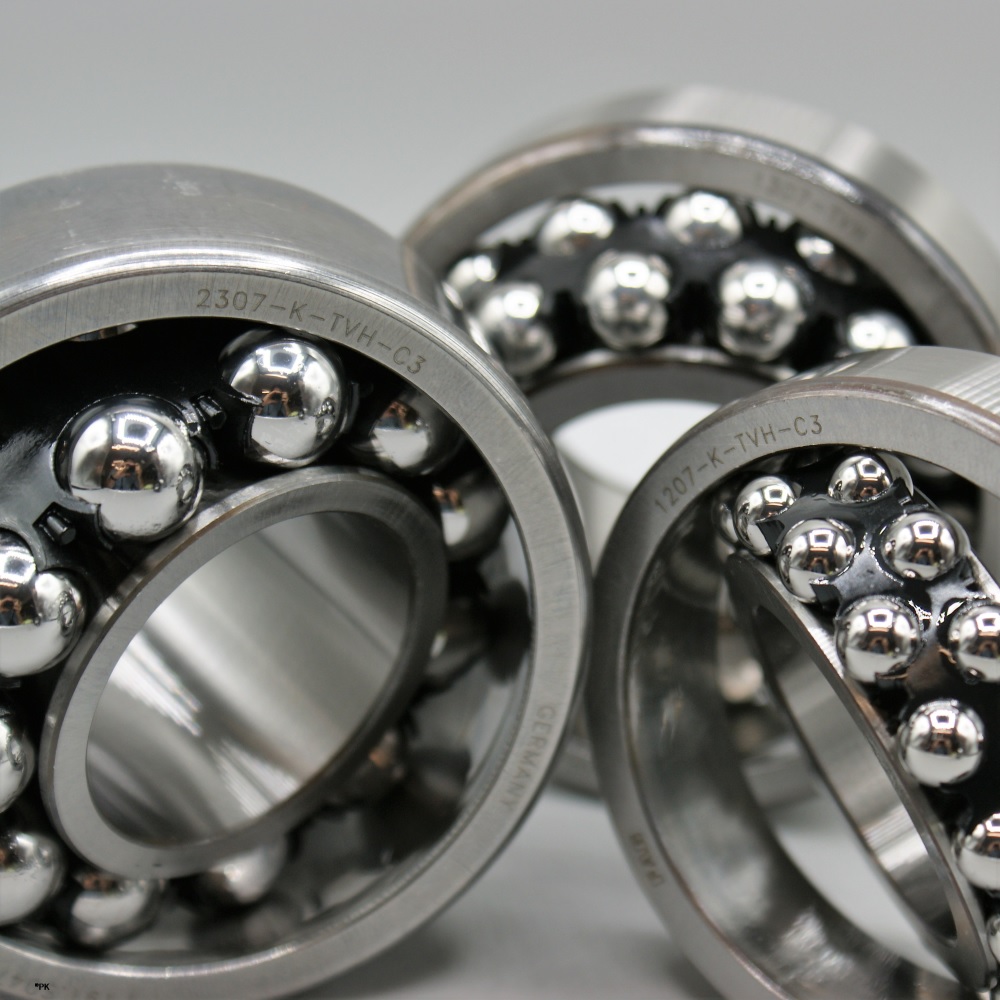
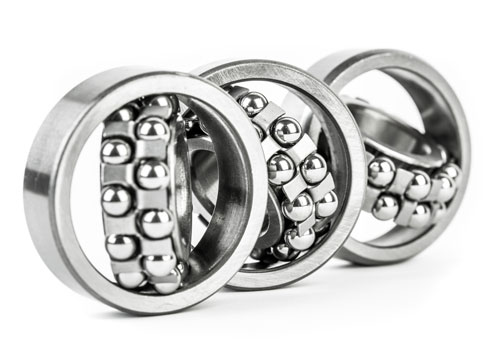
What are self-aligning bearings, and how do they function in machinery?Self-aligning bearings are a type of rolling contact bearings that are designed to accommodate misalignment between the shaft and the housing in machinery. They are commonly used in applications where shaft deflection, shaft misalignment, or mounting errors are expected. Here’s a detailed explanation of self-aligning bearings and their functioning in machinery:
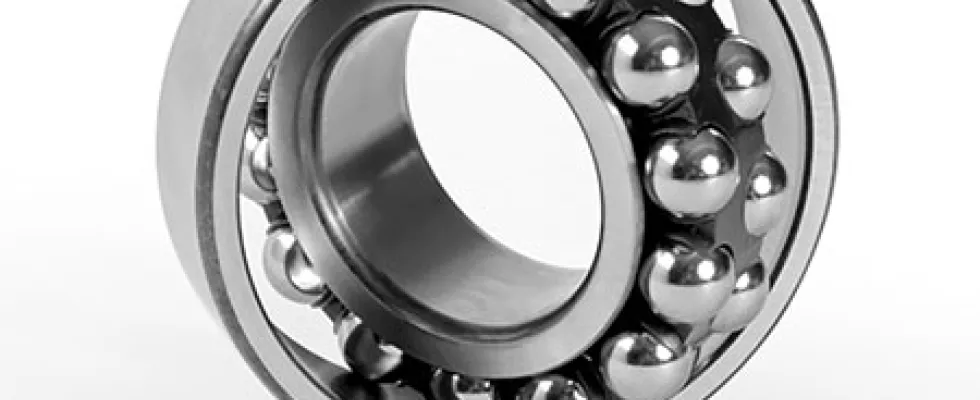
Self-aligning bearings consist of two main components: an inner ring with the rolling elements and an outer ring with a spherical raceway. The inner ring is typically mounted on the rotating shaft, while the outer ring is mounted in the housing. The rolling elements, usually balls or rollers, are positioned between the inner and outer rings to facilitate smooth rotation. The key feature of self-aligning bearings is the spherical shape of the outer ring raceway. This design allows the bearing to accommodate angular misalignment between the shaft and the housing, as well as any axial misalignment or shaft deflection that may occur during operation.
Self-aligning bearings function in machinery by providing several important benefits:
Overall, self-aligning bearings play a crucial role in machinery by allowing for misalignment compensation, reducing friction and wear, absorbing shocks and vibrations, and providing ease of installation and maintenance. These features contribute to improved performance, reliability, and durability of the machinery in various applications.
|