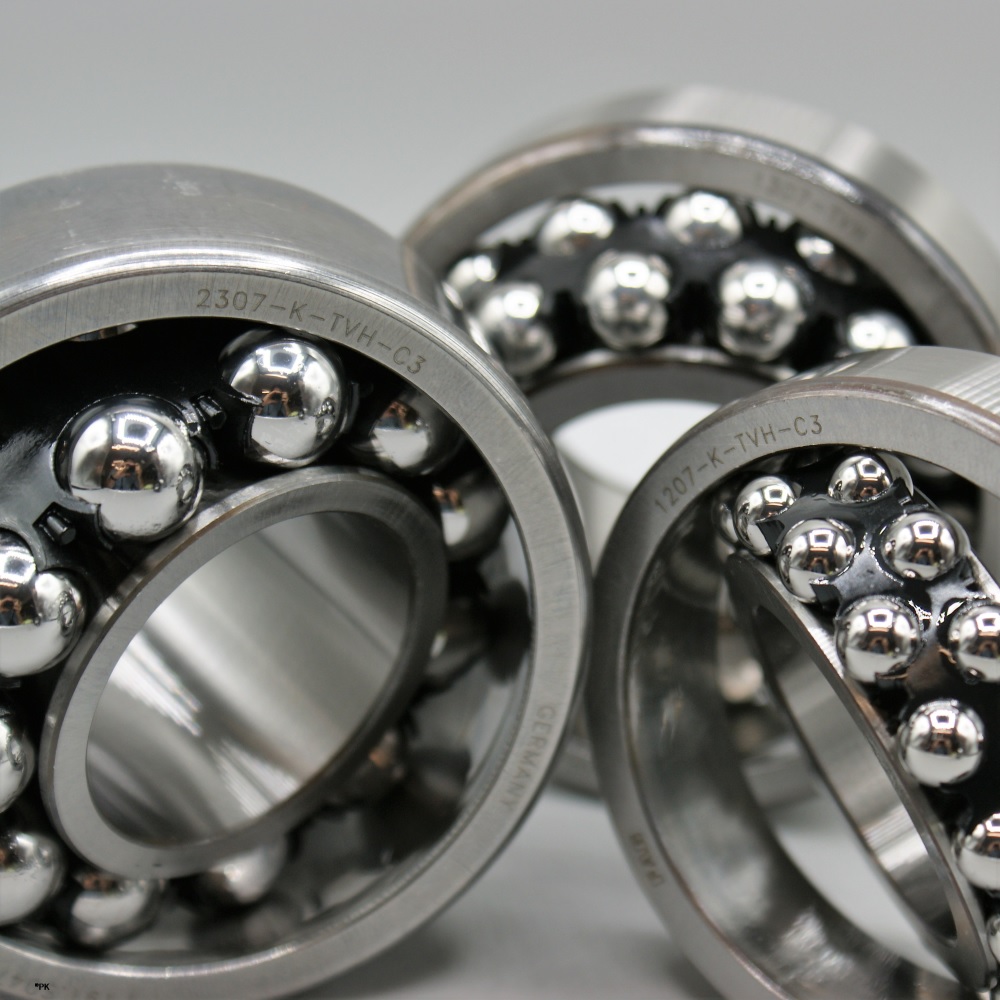
Can you describe the various types of seals and shields used with self-aligning bearings for contamination prevention?
Yes, here’s a detailed description of the various types of seals and shields used with self-aligning bearings for contamination prevention:
- Contact Seals:
Contact seals, also known as lip seals or radial seals, are commonly used with self-aligning bearings to prevent the ingress of contaminants. These seals feature a flexible lip that makes contact with the inner ring of the bearing, creating a barrier against dust, dirt, water, and other external substances. Contact seals provide effective contamination prevention but may introduce slightly higher friction due to the contact between the seal lip and the bearing surface. They are typically made of rubber or synthetic materials and offer good sealing performance in most operating conditions.
- Felt Seals:
Felt seals are simple and cost-effective sealing solutions used with self-aligning bearings. They consist of a felt material that is compressed against the bearing inner ring or housing to create a barrier against contaminants. Felt seals are commonly used in applications with low to moderate speeds and light contamination levels. While they offer basic protection against solid particles, they may not provide effective sealing against liquids or fine particles.
- Metallic Shields:
Metallic shields, also known as metal shields or non-contact shields, are used to protect self-aligning bearings from solid contaminants such as dust and dirt. These shields are typically made of steel or other metals and are designed to fit closely to the bearing inner ring without making contact. Metallic shields provide effective protection while minimizing friction and heat generation. They are suitable for high-speed applications where low torque and minimal drag are desired.
- Rubber Shields:
Rubber shields, also known as non-contact seals or labyrinth seals, consist of a rubber or elastomeric material that forms a barrier around the bearing without making direct contact. Rubber shields are designed with a labyrinth-like structure that uses multiple barriers to prevent the entry of contaminants. These shields provide effective sealing against both solid particles and liquids while still allowing for low-friction operation. Rubber shields are commonly used in applications where low torque, minimal drag, and enhanced contamination protection are required.
- Hybrid Seals:
Hybrid seals combine the advantages of different sealing technologies to provide optimal contamination prevention. These seals may incorporate a combination of contact seals, non-contact shields, or additional features such as flingers or slingers. Hybrid seals are designed to provide enhanced protection against a wide range of contaminants while minimizing friction and maintaining low torque. They are often used in demanding applications where a high level of sealing performance is required.
- Additional Features:
In addition to the primary seals and shields mentioned above, some self-aligning bearings may incorporate additional features to enhance contamination prevention. These features include flingers, which are rotating discs or rings that help to deflect contaminants away from the bearing; slingers, which are similar to flingers but operate by centrifugal force; and specialized coatings or surface treatments that provide enhanced resistance to corrosion or chemical attack.
It’s important to consult the bearing manufacturer’s specifications and guidelines to select the appropriate type of seal or shield for a specific self-aligning bearing and its operating conditions. By choosing the right sealing solution, engineers can effectively prevent contamination and prolong the service life of self-aligning bearings in various applications.
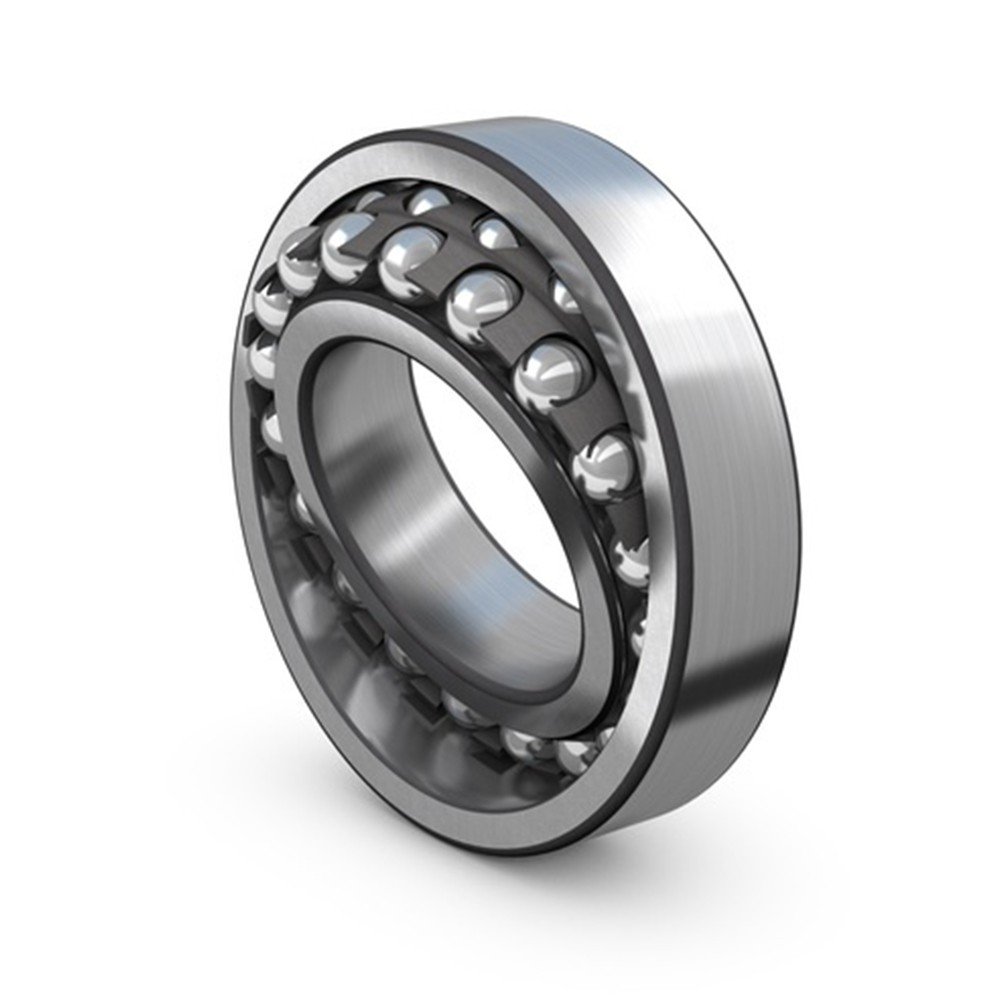
What is the impact of proper lubrication and maintenance on the performance and lifespan of self-aligning bearings?
Proper lubrication and maintenance have a significant impact on the performance and lifespan of self-aligning bearings. Here’s a detailed explanation of their importance:
- Lubrication:
Proper lubrication is crucial for self-aligning bearings as it provides a protective film between the rolling elements and raceways, reducing friction and wear. Here are the key impacts of proper lubrication:
- Reduced Friction and Wear: Adequate lubrication helps minimize friction and wear between the rolling elements and raceways. This reduces heat generation, prevents excessive wear, and extends the bearing’s lifespan.
- Optimized Load Distribution: Proper lubrication ensures that the load is distributed evenly across the bearing components. This helps prevent localized stresses and improves the overall load-carrying capacity of the bearing.
- Corrosion and Contamination Protection: Lubrication forms a protective barrier that helps prevent corrosion and protects the bearing against contaminants such as dust, dirt, and moisture. This enhances the bearing’s resistance to damage and maintains its performance in challenging environments.
- Noise and Vibration Reduction: Properly lubricated bearings exhibit reduced noise and vibration levels, contributing to smoother and quieter operation of the machinery.
- Maintenance:
Regular maintenance practices are essential for ensuring the optimal performance and lifespan of self-aligning bearings. Here are the key impacts of proper maintenance:
- Early Detection of Issues: Regular inspections and maintenance activities enable the early detection of potential problems such as misalignment, excessive wear, or lubrication issues. Timely identification of these issues allows for proactive measures to be taken, preventing further damage and minimizing downtime.
- Preservation of Alignment: Proper maintenance helps ensure the correct alignment of the bearing with its mating components. This is particularly important for self-aligning bearings, as misalignment beyond their specified limits can lead to decreased performance and premature failure.
- Lubrication Monitoring: Maintenance involves monitoring the lubrication condition, including oil or grease quality, contamination levels, and replenishment requirements. Regular lubrication checks and replenishment help maintain the optimal lubricating film and extend the bearing’s service life.
- Cleaning and Debris Removal: Maintenance activities include cleaning the bearing and its surrounding areas, removing accumulated debris, and ensuring proper sealing. This helps prevent contamination and ensures the smooth operation of the bearing.
- Replacement of Worn Components: Through maintenance, worn or damaged components can be identified and replaced, preventing further damage and maintaining the bearing’s performance. This can include replacing seals, cages, or damaged rolling elements.
Proper lubrication and maintenance practices are essential for maximizing the performance and lifespan of self-aligning bearings. They help reduce friction, prevent excessive wear, protect against corrosion and contaminants, preserve alignment, and enable early detection of potential issues. Adhering to manufacturer recommendations and industry best practices for lubrication and maintenance ensures the reliable and efficient operation of machinery and extends the service life of self-aligning bearings.
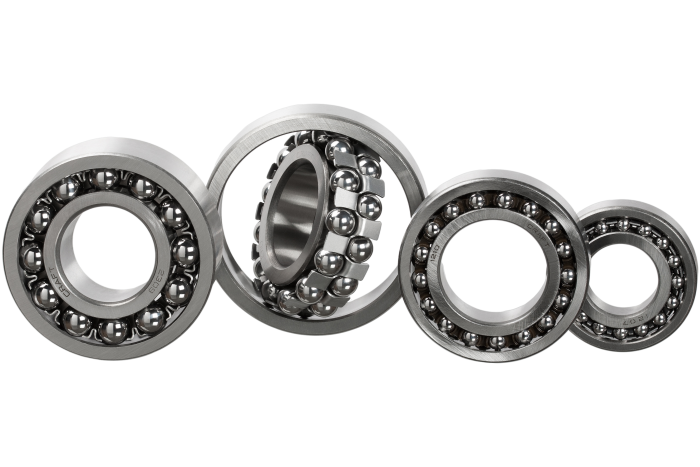
What are the common types of self-aligning bearings, such as spherical or barrel roller bearings?
There are several common types of self-aligning bearings, each offering unique features and advantages. Here’s a detailed explanation of some of the common types:
- Spherical Roller Bearings:
Spherical roller bearings are one of the most common types of self-aligning bearings. They have a spherical outer ring raceway and two rows of barrel-shaped rollers positioned between the inner and outer rings. This design allows for the accommodation of misalignment and provides high radial load-carrying capacity. Spherical roller bearings are commonly used in heavy-duty applications, such as mining equipment, paper mills, and crushers.
- Barrel Roller Bearings:
Barrel roller bearings, also known as toroidal roller bearings, have a barrel-shaped roller arrangement with a concave outer ring raceway and a convex inner ring raceway. This design enables the bearing to accommodate misalignment and axial displacement. Barrel roller bearings are suitable for applications with high radial loads and moderate axial loads, such as in conveyor systems, printing presses, and industrial gearboxes.
- Self-Aligning Ball Bearings:
Self-aligning ball bearings consist of an inner ring with two rows of balls and an outer ring with a spherical raceway. The design allows for misalignment compensation and is particularly suited for applications with low to moderate radial loads and moderate axial loads. Self-aligning ball bearings are commonly used in electric motors, pumps, and automotive applications.
- Self-Aligning Thrust Roller Bearings:
Self-aligning thrust roller bearings are designed to accommodate misalignment in applications with axial loads. They have a spherical rolling element between the shaft washer and the housing washer, allowing for misalignment compensation. These bearings are commonly used in applications such as screw conveyors, heavy machinery, and marine propulsion systems.
- Adapter Sleeve Bearings:
Adapter sleeve bearings are a type of self-aligning bearing that incorporates an adapter sleeve, which facilitates easy mounting and dismounting of the bearing. They are commonly used in applications where frequent bearing replacement or adjustment is required. Adapter sleeve bearings are often employed in conveyor systems, agricultural machinery, and textile equipment.
These are just a few examples of common types of self-aligning bearings. Other variations and specialized designs exist to suit specific application requirements. It’s important to consider factors such as load capacity, operating conditions, and dimensional constraints when selecting the appropriate self-aligning bearing for a particular application.


editor by CX 2024-04-22