Product Description
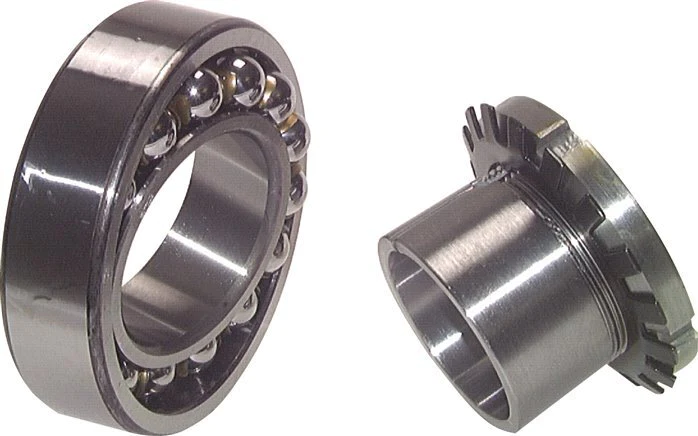
Bearing 2220 with size 100*180*46mm self-aligning ball bearings for machinery
Parameters:
|
Product Name |
Self Aligning Ball Bearing |
|
Material |
Chrome Steel, GCR15 |
|
Size |
d:3-110mm,D:9-240mm |
|
Grade |
PO,P6,P5,P4,P2 |
|
Vibration level |
Z1,Z2,Z3,Z4 |
|
Noise level |
V1,V2,V3,V4 |
|
Clearance |
C0,C3,C4 |
|
Cage |
Steel Cage,copper Cage,nylon Cage |
|
Used For |
Precision Instruments, Low Noise Motors, Automobiles, Motorcycles, Metallurgy, Rolling Mills, Mines, Petroleum, Paper, Cement,Sugar |
|
Warranty |
1 year |
|
Brand |
CZPT brand or OEM |
|
Packing |
Carton box + Veneer case / OEM available |
Specifications
| Bearing No. | Dimensions(mm) | Weight | Bearing No. | Dimensions(mm) | Weight | ||||
| d | D | B | kg | d | D | B | kg | ||
| 1203 | 17 | 40 | 12 | 0.076 | 1303 | 17 | 47 | 14 | 0.13 |
| 1204 | 20 | 47 | 14 | 0.12 | 1304 | 20 | 52 | 15 | 0.163 |
| 1205 | 25 | 52 | 15 | 0.14 | 1305 | 25 | 62 | 17 | 0.257 |
| 1206 | 30 | 62 | 16 | 0.23 | 1306 | 30 | 72 | 19 | 0.387 |
| 1207 | 35 | 72 | 17 | 0.32 | 1307 | 35 | 80 | 21 | 0.51 |
| 1208 | 40 | 80 | 18 | 0.42 | 1308 | 40 | 90 | 23 | 0.715 |
| 1209 | 45 | 85 | 19 | 0.47 | 1309 | 45 | 100 | 25 | 0.957 |
| 1210 | 50 | 90 | 20 | 0.525 | 1310 | 50 | 110 | 27 | 1.21 |
| 1211 | 55 | 100 | 21 | 0.705 | 1311 | 55 | 120 | 29 | 1.58 |
| 1212 | 60 | 110 | 22 | 0.9 | 1312 | 60 | 130 | 31 | 1.96 |
| 1213 | 65 | 120 | 23 | 1.15 | 1313 | 65 | 140 | 33 | 2.45 |
| 1214 | 70 | 125 | 24 | 1.26 | 1314 | 70 | 150 | 35 | 2.99 |
| 1215 | 75 | 130 | 25 | 1.36 | 1315 | 75 | 160 | 37 | 3.56 |
| 1216 | 80 | 140 | 26 | 1.67 | 1316 | 80 | 170 | 39 | 4.18 |
| 1217 | 85 | 150 | 28 | 2.07 | 1317 | 85 | 180 | 41 | 4.98 |
| Bearing No. | Dimensions(mm) | Weight | Bearing No. | Dimensions(mm) | Weight | ||||
| d | D | T | kg | d | D | T | kg | ||
| 2203 | 17 | 40 | 16 | 0.09 | 2303 | 17 | 47 | 19 | 0.158 |
| 2204 | 20 | 47 | 18 | 0.14 | 2304 | 20 | 52 | 21 | 0.209 |
| 2205 | 25 | 52 | 18 | 0.163 | 2305 | 25 | 62 | 24 | 0.335 |
| 2206 | 30 | 62 | 20 | 0.26 | 2306 | 30 | 72 | 27 | 0.5 |
| 2207 | 35 | 72 | 23 | 0.403 | 2307 | 35 | 80 | 31 | 0.675 |
| 2208 | 40 | 80 | 23 | 0.51 | 2308 | 40 | 90 | 33 | 0.925 |
| 2209 | 45 | 85 | 23 | 0.55 | 2309 | 45 | 100 | 36 | 1.23 |
| 2210 | 50 | 90 | 23 | 0.6 | 2310 | 50 | 110 | 40 | 1.64 |
| 2211 | 55 | 100 | 25 | 0.81 | 2311 | 55 | 120 | 43 | 2.1 |
| 2212 | 60 | 110 | 28 | 1.09 | 2312 | 60 | 130 | 46 | 2.6 |
| 2213 | 65 | 120 | 31 | 1.46 | 2313 | 65 | 140 | 48 | 3.23 |
| 2214 | 70 | 125 | 31 | 1.62 | 2314 | 70 | 150 | 51 | 4.23 |
| 2215 | 75 | 130 | 31 | 1.62 | 2315 | 75 | 160 | 55 | 5.13 |
| 2216 | 80 | 140 | 33 | 2.01 | 2316 | 80 | 170 | 58 | 6.1 |
| 2217 | 85 | 150 | 36 | 2.52 | 2317 | 85 | 180 | 60 | 7.05 |
Features
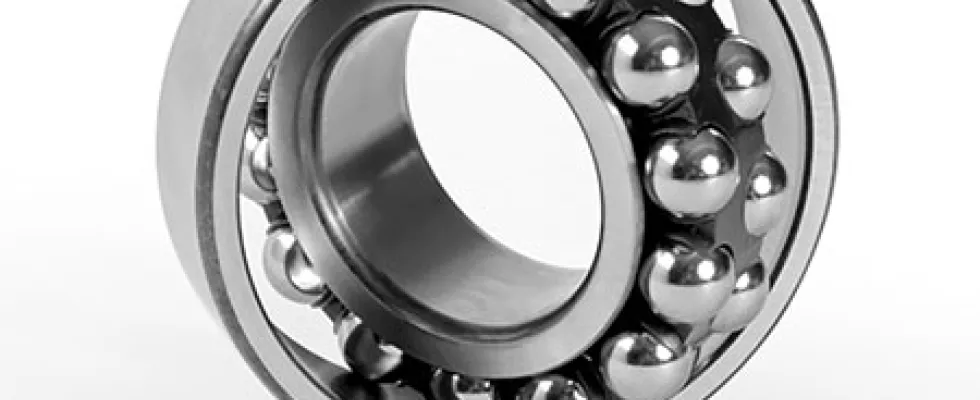
- self-aligning ball bearing with 2 rows of balls
- pivoting inner ring, misalignments and shaft deflections can be compensated
- suitable for high radial loads and light axial loads in both directions
- cage material: sheet steel, high load-bearing capacity and high strength; suitable for continuous high temperatures
- seal: open (without seal); for higher speeds than with sealed ball bearings and easy relubrication
- good fixed bearing property, but can also be used as a floating bearing, each in both directions
Application:
Precision Instruments, Low Noise Motors, Automobiles, Motorcycles, Metallurgy, Rolling Mills, Mines, Petroleum, Paper,
Cement…
Our package
* Industrial pakage+outer carton+pallets
* sigle box+outer carton+pallets
* Tube package+middle box+outer carton+pallets
* According to your requirments
FAQ:
SAMPLES
1.Samples quantity: 1-10 pcs are available.
2.Free samples: It depends on the model NO., material and quantity. Some of the bearings samples need client to pay
samples charge and shipping cost.
CUSTOMIZED
The customized LOGO or drawing is acceptable for us.
MOQ
1.MOQ: 10 pcs mix different standard bearings.
2.MOQ: 2000 pcs customized your brand bearings.
OEM POLICY
1.We can printing our brand (logo,artwork) on the shield or make your own brand on the shield.
2.We can custom your packaging according to your design
/* January 22, 2571 19:08:37 */!function(){function s(e,r){var a,o={};try{e&&e.split(“,”).forEach(function(e,t){e&&(a=e.match(/(.*?):(.*)$/))&&1
| Type: | Ball Bearing |
|---|---|
| Precision Rating: | P0 P6 P5 P4 P2 |
| Structure: | Self-Aligning |
| Sample: | Available |
| Stock: | Rich |
| Feature: | Long Life |
| Samples: |
US$ 2/Piece
1 Piece(Min.Order) | |
|---|
| Customization: |
Available
| Customized Request |
|---|
What is the role of cage design and materials in self-aligning bearing performance and durability?
The cage design and materials used in self-aligning bearings play a crucial role in determining their performance and durability. Here’s a detailed explanation:
- Guiding and Retaining Rolling Elements:
The primary function of the cage in a self-aligning bearing is to guide and retain the rolling elements, such as balls or rollers, in their proper positions. The cage prevents the rolling elements from contacting and rubbing against each other, ensuring smooth and controlled movement within the bearing. By providing precise spacing and alignment, the cage maintains the integrity of the bearing assembly and optimizes load distribution. It also minimizes the risk of damage or premature wear caused by improper positioning or collision of the rolling elements.
- Reducing Friction and Heat Generation:
The cage design and materials can significantly impact the friction and heat generation within the self-aligning bearing. An efficient cage design ensures proper lubrication distribution by allowing the lubricant to reach all the critical contact points between the rolling elements and raceways. This reduces friction and minimizes the associated heat generation, leading to improved overall bearing efficiency and reduced energy losses. Additionally, the choice of materials for the cage should consider factors such as low friction coefficients and good thermal conductivity to further optimize performance.
- Maintaining Alignment and Stability:
Self-aligning bearings are designed to accommodate misalignment between the shaft and the housing. The cage plays a vital role in maintaining the alignment and stability of the rolling elements, ensuring that they stay properly seated and aligned during operation. A well-designed cage provides sufficient space and support for the rolling elements to adjust and align themselves, even under dynamic conditions or when subjected to external forces. This enables the self-aligning bearing to continue operating smoothly and efficiently, minimizing the risk of excessive stress, wear, or premature failure.
- Enhancing Durability and Service Life:
The cage design and materials significantly impact the durability and service life of self-aligning bearings. A robust and durable cage is essential for withstanding the loads, impact forces, and vibrations that can occur during operation. The cage should be resistant to wear, fatigue, and corrosion to ensure long-term performance and reliability. By selecting appropriate cage materials, such as high-strength steels, thermoplastics, or engineered polymers, manufacturers can enhance the durability and service life of self-aligning bearings in various operating conditions.
- Reducing Weight and Inertia:
The cage design and materials also influence the weight and inertia of the self-aligning bearing. Lighter cage materials, such as certain polymers or composite materials, can help reduce the overall weight of the bearing assembly. This has several benefits, including lower energy consumption, reduced centrifugal forces, and improved dynamic performance. By minimizing the weight and inertia of the cage, self-aligning bearings can operate at higher speeds, exhibit improved response times, and potentially achieve higher levels of performance and efficiency.
Overall, the cage design and materials used in self-aligning bearings are critical factors in determining their performance, durability, and overall efficiency. A well-designed cage facilitates proper guidance and retention of the rolling elements, reduces friction and heat generation, maintains alignment and stability, enhances durability and service life, and contributes to overall weight optimization. By considering the specific application requirements and selecting the appropriate cage design and materials, engineers can optimize the performance and durability of self-aligning bearings in a wide range of industrial applications.

Can you explain the installation and alignment considerations for self-aligning bearings?
Proper installation and alignment are crucial for the optimal performance and longevity of self-aligning bearings. Here’s a detailed explanation of the installation and alignment considerations:
- Pre-Installation Preparation:
Prior to the installation of self-aligning bearings, it is essential to ensure a clean and suitable working environment. Here are some key considerations:
- Cleanliness: The work area should be clean and free from dust, dirt, and contaminants to prevent the ingress of foreign particles during the installation process.
- Tools and Equipment: Prepare the necessary tools and equipment required for the installation, including suitable lifting devices, torque wrenches, and lubrication apparatus.
- Inspection: Thoroughly inspect the bearing and its components for any signs of damage or defects. Replace any worn or damaged parts before proceeding with the installation.
- Lubrication: Apply the recommended lubricant to the bearing and ensure that it is properly distributed before installation. Lubrication helps reduce friction, prevent excessive wear, and facilitate smooth operation.
- Mounting Considerations:
When mounting self-aligning bearings, it is important to follow certain guidelines to ensure proper fit and alignment:
- Shaft and Housing Tolerances: Check the shaft and housing tolerances to ensure they comply with the specifications provided by the bearing manufacturer. Proper tolerances help achieve the correct fit and prevent excessive clearance or interference.
- Shaft and Housing Preparation: Clean the shaft and housing surfaces and remove any burrs or rough edges that could interfere with the bearing’s seating. Ensure that the shaft and housing are machined to the recommended tolerances and finishes.
- Mounting Method: There are various methods for mounting self-aligning bearings, including press fitting, thermal expansion, and hydraulic mounting. Follow the manufacturer’s instructions and recommended mounting method to ensure a secure and accurate fit.
- Sealing: If the self-aligning bearing has integral seals or shields, ensure that they are correctly positioned and aligned during installation. Proper sealing helps protect the bearing against contaminants and extends its service life.
- Tightening: When tightening the bearing onto the shaft or in the housing, use the recommended torque values provided by the manufacturer. Over-tightening can lead to excessive preload or damage, while under-tightening can result in insufficient seating and compromised performance.
- Alignment Considerations:
Proper alignment is crucial for self-aligning bearings to function optimally. Here are some alignment considerations:
- Angular Misalignment: Self-aligning bearings can accommodate angular misalignment to a certain degree. However, it is important to keep the misalignment within the manufacturer’s specified limits to prevent excessive stress and premature wear.
- Shaft Deflection: Consider the potential shaft deflection that may occur during operation and ensure that the self-aligning bearing can handle the expected deflection without exceeding its capacity. This may involve selecting a bearing with appropriate load-carrying capacity and considering additional support or stabilization measures.
- Alignment Verification: After installation, verify the alignment of the self-aligning bearing by measuring the axial and radial runout using appropriate alignment tools. Adjust the positioning if necessary to achieve the desired alignment within the specified tolerances.
By following these installation and alignment considerations, you can ensure the proper fit, alignment, and performance of self-aligning bearings. Adhering to the manufacturer’s guidelines and best practices helps maximize the lifespan and reliability of the bearings in various applications.
What are self-aligning bearings, and how do they function in machinery?
Self-aligning bearings are a type of rolling contact bearings that are designed to accommodate misalignment between the shaft and the housing in machinery. They are commonly used in applications where shaft deflection, shaft misalignment, or mounting errors are expected.
Here’s a detailed explanation of self-aligning bearings and their functioning in machinery:
- Design and Construction:
Self-aligning bearings consist of two main components: an inner ring with the rolling elements and an outer ring with a spherical raceway. The inner ring is typically mounted on the rotating shaft, while the outer ring is mounted in the housing. The rolling elements, usually balls or rollers, are positioned between the inner and outer rings to facilitate smooth rotation.
The key feature of self-aligning bearings is the spherical shape of the outer ring raceway. This design allows the bearing to accommodate angular misalignment between the shaft and the housing, as well as any axial misalignment or shaft deflection that may occur during operation.
- Functioning in Machinery:
Self-aligning bearings function in machinery by providing several important benefits:
- Misalignment Compensation: Self-aligning bearings can compensate for angular misalignment between the shaft and the housing. This is particularly useful in applications where there may be slight misalignments due to manufacturing tolerances, thermal expansion, or shaft deflection under load. The self-aligning capability allows the bearing to maintain proper alignment and minimize stress on the bearing components.
- Reduced Friction and Wear: The ability of self-aligning bearings to accommodate misalignment helps reduce friction and wear. Misalignment can cause uneven loading and increased stress on the bearing, leading to premature failure. By allowing the bearing to adjust its position, self-aligning bearings distribute the load more evenly, reducing friction and wear on the rolling elements and raceways.
- Shock and Vibration Absorption: Self-aligning bearings can also absorb shocks and vibrations that may occur during operation. The spherical shape of the outer ring raceway allows the bearing to move and adjust its position, effectively absorbing and dampening the impact of shocks and vibrations. This helps improve the overall stability, smoothness, and durability of the machinery.
- Easy Installation and Maintenance: Self-aligning bearings are relatively easy to install and maintain. The self-aligning capability simplifies the alignment process during installation, as slight misalignments can be accommodated. Additionally, regular maintenance tasks, such as re-greasing or replacement of the bearing, can be performed more easily due to the flexibility and adjustability of self-aligning bearings.
Overall, self-aligning bearings play a crucial role in machinery by allowing for misalignment compensation, reducing friction and wear, absorbing shocks and vibrations, and providing ease of installation and maintenance. These features contribute to improved performance, reliability, and durability of the machinery in various applications.


editor by CX 2024-04-24