Product Description
Product Description
Main products
Tapered Roller Bearings, Cylindrical Roller Bearings, Ball Bearings, Self-aligning Roller Bearings, Basic Bearings, Automobile Wheel Bearings,
Truck wheel bearings and other products, we can customize the bearings according to the drawings or samples provided by customers
Fields of application
Grain machinery, textile machinery, washing machinery, construction machinery, industrial deceleration machinery, woodworking
machinery, paper machinery, mining machinery, coal mining machinery, hoisting machinery, construction machinery,
Large transport equipment, chemical machinery, petroleum machinery, metallurgical industry, large steel mills, cement plants,
Energy industry, cars, trucks, etc.
Packaging & Shipping
Plastic bag + single box + carton + tray; Industrial packaging + carton + pallet;
We also can According to your requirements to change.
Company Profile
HangZhou CZPT Trading Co., Ltd. was founded in August 2014. It is a bearing manufacturer integrating
research, development and sale of bearings, with a floor area of 18,000 square meters and a plant area of 4,800 square meters. The company has a state-level enterprise technology center and a number of provincial high-tech enterprises with strong technical strength. our company was honored as competitive brand in the market.
Equipped with modern production equipment and advanced detection instruments, the company specially produces Bearings including 3 varieties of spherical roller bearings, namely cylindrical roller bearings, tapered roller bearings and thrust spherical roller bearings, Automobile Hub Bearing,to replace imported high-end products.
With precision of grade P0, grade P6 P5 P4, we bearings are widely used in complete products in metallurgical, mining, petroleum, chemical, coal, cement, papermaking, wind power, heavy machinery, engineering machinery and port machinery industries. With self-run import & export rights, it sells its products not only across China, but also in tens of other countries and areas such as the United States, Canada, Italy, Russia, German and South Africa.
We would like to serve the customers around the world with our trustworthy products, reasonable price and
attentive service. The leading products of the company cover 3 main categories which include more than 3,000 types of bearing products.
FAQ
1.What is your Before-sales Service?
Offer to bear related consultation about technology and application;
Help customers with bearing choice, clearance configuration, products’ life and reliability analysis;
Offer highly cost-effective and complete solution program according to site conditions;
Offer localized program on introduced equipment to save running cost
2.What is your latest delivery time?
If the goods are in stock, usually 5-10 days. Or if the goods are not in stock, it is 15-20 days, which is based
on the quantity.
3.Does your company have quality assurance?
Yes, for 2 years.
4.What is the competitiveness of your company’s products compared to other companies?
High precision, high speed, low noise.
5.What are the advantages of your company’s services compared to other companies?
Answer questions online 24 hours a day, reply in a timely manner, and provide various documents required
by customers for customs clearance or sales. 100% after-sales service.
6.Which payment method does your company support?
30% deposit,balance payment before delivery.
7.How to contact us quickly?
Please send us an inquiry or message and leave your other contact information, such as phone number,
account or account, we will contact you as soon as possible.
/* January 22, 2571 19:08:37 */!function(){function s(e,r){var a,o={};try{e&&e.split(“,”).forEach(function(e,t){e&&(a=e.match(/(.*?):(.*)$/))&&1
| OEM: | Available |
|---|---|
| Cage Type: | Ca Cc E MB |
| Precision Rating: | P0 P6 P5 P4 P2 |
| Clearance: | C0 C2 C3 C4 C5 |
| Vibration: | Z1V1 Z2V2 Z3V3 |
| Rows: | Single Row, Double Row |
| Samples: |
US$ 10/Piece
1 Piece(Min.Order) | |
|---|
| Customization: |
Available
| Customized Request |
|---|
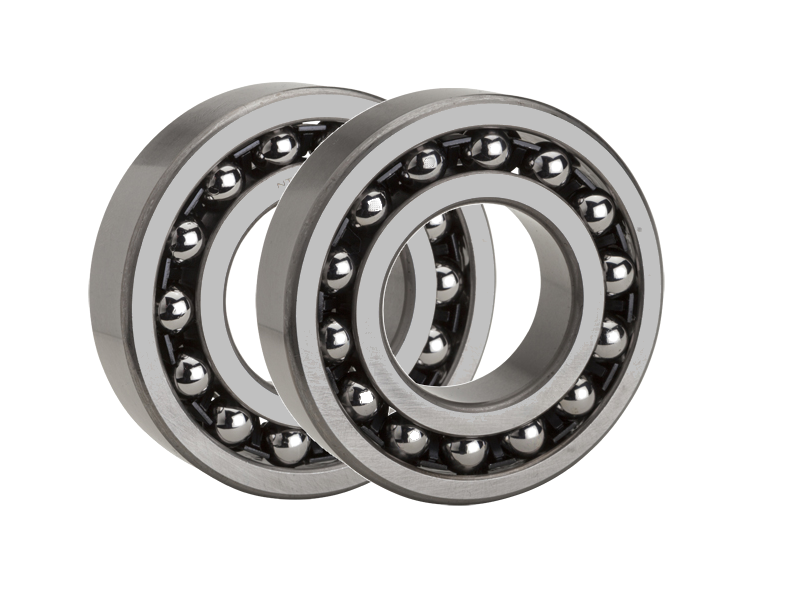
What are the eco-friendly or sustainable aspects of self-aligning bearing materials?
Self-aligning bearings can incorporate eco-friendly or sustainable aspects in their material composition. Here’s a detailed explanation:
- Recyclable Materials:
Many self-aligning bearings are made from materials that are recyclable. Steel, which is commonly used for bearing rings and rolling elements, is highly recyclable and can be processed and reused multiple times without significant loss of properties. By choosing self-aligning bearings made from recyclable materials, the environmental impact associated with the disposal and production of bearings can be reduced.
- Low Environmental Footprint:
The production of self-aligning bearings involves various manufacturing processes. Manufacturers often strive to optimize these processes to minimize energy consumption, reduce waste generation, and lower greenhouse gas emissions. By improving energy efficiency and reducing environmental footprint during production, self-aligning bearing manufacturers contribute to sustainable practices.
- Reduced Material Consumption:
The design and development of self-aligning bearings focus on optimizing their performance while minimizing material consumption. Through advanced engineering techniques, including material selection, design optimization, and improved manufacturing processes, manufacturers can reduce the amount of material required to produce self-aligning bearings. This not only helps to conserve natural resources but also reduces the overall weight of the bearing, leading to lower energy consumption during operation.
- Alternative Materials:
In recent years, there have been advancements in the development of alternative bearing materials that offer improved sustainability characteristics. For example:
- Ceramic Bearings: Ceramic materials, such as silicon nitride or zirconia, are increasingly used in self-aligning bearings due to their excellent wear resistance, corrosion resistance, and high-temperature capabilities. Ceramic bearings can contribute to sustainability by reducing the need for lubrication, extending maintenance intervals, and minimizing the use of lubricants that may have environmental impacts.
- Polymer Bearings: Self-aligning bearings made from polymer materials, such as reinforced plastics or engineered polymers, offer advantages such as self-lubrication, resistance to corrosion and chemicals, and reduced weight. Polymer bearings can provide sustainability benefits by eliminating the need for external lubrication, reducing friction and energy consumption, and offering potential for longer service life.
- Extended Service Life:
Self-aligning bearings with extended service life contribute to sustainability by reducing the frequency of bearing replacements and associated waste generation. Advancements in bearing materials, surface treatments, and lubrication technologies have led to improved durability and longer operating life, resulting in reduced environmental impact and lower maintenance requirements.
It’s important to note that while self-aligning bearing materials can have eco-friendly or sustainable aspects, the overall sustainability of an application or system also depends on other factors, such as energy efficiency, proper maintenance practices, and end-of-life disposal considerations. Therefore, a holistic approach considering the entire lifecycle of the equipment and its components is essential for achieving sustainable practices.
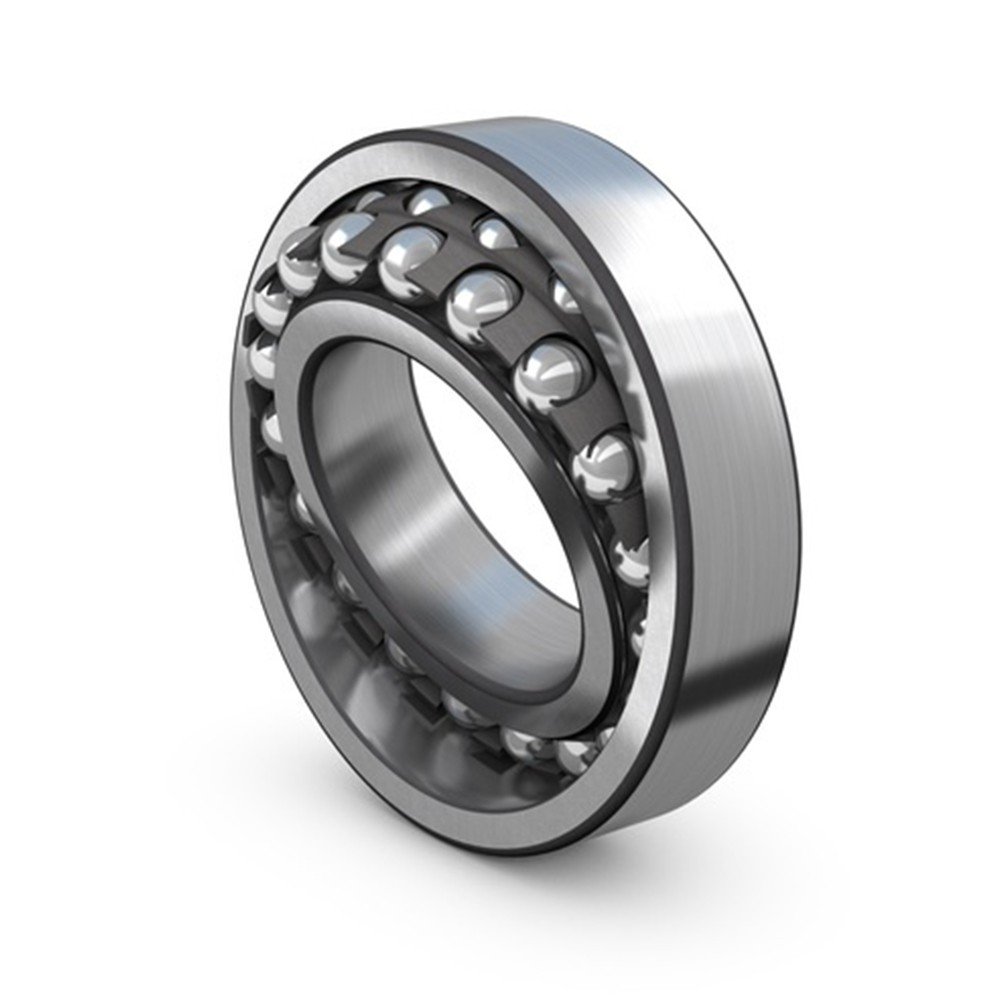
What is the impact of proper lubrication and maintenance on the performance and lifespan of self-aligning bearings?
Proper lubrication and maintenance have a significant impact on the performance and lifespan of self-aligning bearings. Here’s a detailed explanation of their importance:
- Lubrication:
Proper lubrication is crucial for self-aligning bearings as it provides a protective film between the rolling elements and raceways, reducing friction and wear. Here are the key impacts of proper lubrication:
- Reduced Friction and Wear: Adequate lubrication helps minimize friction and wear between the rolling elements and raceways. This reduces heat generation, prevents excessive wear, and extends the bearing’s lifespan.
- Optimized Load Distribution: Proper lubrication ensures that the load is distributed evenly across the bearing components. This helps prevent localized stresses and improves the overall load-carrying capacity of the bearing.
- Corrosion and Contamination Protection: Lubrication forms a protective barrier that helps prevent corrosion and protects the bearing against contaminants such as dust, dirt, and moisture. This enhances the bearing’s resistance to damage and maintains its performance in challenging environments.
- Noise and Vibration Reduction: Properly lubricated bearings exhibit reduced noise and vibration levels, contributing to smoother and quieter operation of the machinery.
- Maintenance:
Regular maintenance practices are essential for ensuring the optimal performance and lifespan of self-aligning bearings. Here are the key impacts of proper maintenance:
- Early Detection of Issues: Regular inspections and maintenance activities enable the early detection of potential problems such as misalignment, excessive wear, or lubrication issues. Timely identification of these issues allows for proactive measures to be taken, preventing further damage and minimizing downtime.
- Preservation of Alignment: Proper maintenance helps ensure the correct alignment of the bearing with its mating components. This is particularly important for self-aligning bearings, as misalignment beyond their specified limits can lead to decreased performance and premature failure.
- Lubrication Monitoring: Maintenance involves monitoring the lubrication condition, including oil or grease quality, contamination levels, and replenishment requirements. Regular lubrication checks and replenishment help maintain the optimal lubricating film and extend the bearing’s service life.
- Cleaning and Debris Removal: Maintenance activities include cleaning the bearing and its surrounding areas, removing accumulated debris, and ensuring proper sealing. This helps prevent contamination and ensures the smooth operation of the bearing.
- Replacement of Worn Components: Through maintenance, worn or damaged components can be identified and replaced, preventing further damage and maintaining the bearing’s performance. This can include replacing seals, cages, or damaged rolling elements.
Proper lubrication and maintenance practices are essential for maximizing the performance and lifespan of self-aligning bearings. They help reduce friction, prevent excessive wear, protect against corrosion and contaminants, preserve alignment, and enable early detection of potential issues. Adhering to manufacturer recommendations and industry best practices for lubrication and maintenance ensures the reliable and efficient operation of machinery and extends the service life of self-aligning bearings.
Can you describe the load-carrying capacity and load ratings of self-aligning bearings?
Self-aligning bearings are designed to carry both radial and axial loads, and their load-carrying capacity is an essential consideration for their proper selection and application. Here’s a detailed description of the load-carrying capacity and load ratings of self-aligning bearings:
- Radial Load Capacity:
The radial load capacity of a self-aligning bearing refers to its ability to carry loads that act perpendicular to the axis of rotation. It is influenced by factors such as bearing geometry, material properties, and internal design. Self-aligning bearings, particularly spherical roller bearings, are known for their high radial load-carrying capacity. This is due to their construction that includes multiple rows of robust rolling elements and optimized raceway profiles. The larger contact area between the rolling elements and raceways allows for efficient load distribution, enabling the bearing to handle substantial radial loads.
- Axial Load Capacity:
The axial load capacity of a self-aligning bearing refers to its ability to carry loads that act parallel to the axis of rotation. The axial load-carrying capacity depends on the bearing type and design, as well as the arrangement of rolling elements. Self-aligning thrust roller bearings, for example, are specifically designed to handle significant axial loads. They utilize cylindrical or tapered rolling elements arranged in a specific orientation to withstand axial forces. Self-aligning ball bearings can also carry moderate axial loads in addition to their primary radial load-carrying capacity.
- Dynamic Load Rating:
The dynamic load rating of a self-aligning bearing is a standardized value that indicates the maximum load that the bearing can sustain for a specified number of rotations or operating hours without experiencing premature fatigue failure. It is expressed in terms of the calculated dynamic equivalent radial or axial load, which takes into account the actual load distribution within the bearing. The dynamic load rating is typically provided by the manufacturer and allows engineers to compare and select bearings based on their expected performance under dynamic operating conditions.
- Static Load Rating:
The static load rating of a self-aligning bearing represents the maximum load that the bearing can sustain without permanent deformation or excessive stress when the bearing is stationary or subjected to very slow rotations. It is typically higher than the dynamic load rating. The static load rating is an important consideration for applications where the bearing may be subjected to prolonged static or slow-speed conditions, such as in machinery that operates with intermittent or intermittent rotational motion.
It is important to note that the load-carrying capacity and load ratings provided by manufacturers are based on standardized testing methods and assumptions about operating conditions. Actual load capacity can be influenced by factors such as temperature, lubrication, misalignment, and operating speed. Therefore, it is crucial to consider the specific application requirements and consult the manufacturer’s technical data and guidelines when selecting a self-aligning bearing to ensure its suitability and optimal performance.


editor by CX 2024-04-10