Product Description
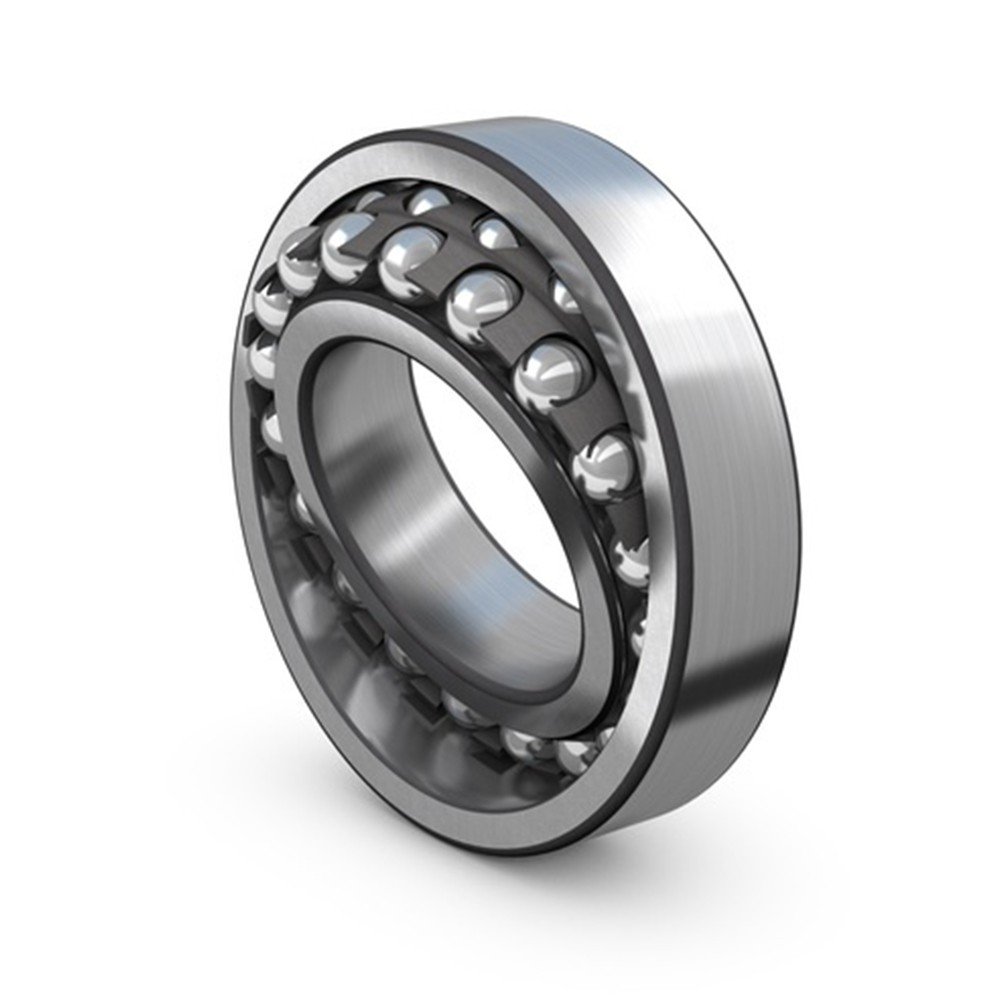
High Performance Double Row 1212 Self-Aligning Ball Bearing
1212 self-aligning ball bearing more detail
| production name | High Performance Double Row 1212 Self-Aligning Ball Bearing |
| brand | TFN/OEM/SEMRI |
| Model Number | 1212 |
| Dimension | 60mm*110mm*22m |
| Basic dynamic load rating | 31.2kn |
| Basic static load rating | 12.2kn |
| Fatigue load limit | 0.62kn |
| Reference speed | 12000r/Min |
| Limiting speed | 8500r/Min |
| Ring Material | Gcr15/ Carbon Steel/ Stainless Steel/ Si3N4/ ZrO2 |
| Cage Material | Steel/ Brass/ Nylon/ Custom |
| Precision | P0, P6, P5, or as requested |
| Vibration | ZV1, ZV2, ZV3, or as requested |
| Clearance | C0,C2,C3, or as requested |
| Quality standard | ISO9001:2000/ SGS |
| Quality Control Process | 1.Assembly |
| 2.Windage test2.Windage test | |
| 3.Cleaning | |
| 4.Rotary test | |
| 5.Greasing and gland | |
| 6.Noise inspection | |
| 7.Appearance inspection | |
| 8.Rust prevention | |
| 9.Product packaging | |
| Application | low noise machine,automobile,motorcycle,and the general machinery and etc. |
More model of self-aligning ball bearing
| Bearing Number | Boundary dimensions(mm) | Basic load ratings(kN) | Limiting speeds(rpm) | Mass(Kg) | ||||||
| d | D | B | rs min | Cr | Cor | Grease | Oil | (Approx.) | ||
| 22 Series | 2200 | 10 | 30 | 14 | 0.6 | 7.3 | 1.59 | 19,000 | 23,000 | 0.047 |
| 2201 | 12 | 32 | 14 | 0.6 | 7.6 | 1.73 | 17,000 | 20,000 | 0.051 | |
| 2202 | 15 | 35 | 14 | 0.6 | 7.7 | 1.85 | 15,000 | 18,000 | 0.06 | |
| 2203 | 17 | 40 | 16 | 0.6 | 9.8 | 2.41 | 13,000 | 16,000 | 0.088 | |
| 2204 | 20 | 47 | 18 | 1 | 12.6 | 3.3 | 12,000 | 14,000 | 0.14 | |
| 2205 | 25 | 52 | 18 | 1 | 12.3 | 3.45 | 10,000 | 12,000 | 0.157 | |
| 2206 | 30 | 62 | 20 | 1 | 15.2 | 4.5 | 8,600 | 10,000 | 0.256 | |
| 2207 | 35 | 72 | 23 | 1.1 | 21.5 | 6.6 | 7,500 | 8,800 | 0.392 | |
| 2208 | 40 | 80 | 23 | 1.1 | 22.3 | 7.35 | 6,700 | 7,900 | 0.493 | |
| 2209 | 45 | 85 | 23 | 1.1 | 23.2 | 8.15 | 6,000 | 7,100 | 0.54 | |
| 2210 | 50 | 90 | 23 | 1.1 | 23.2 | 8.45 | 5,500 | 6,400 | 0.583 | |
| 2211 | 55 | 100 | 25 | 1.5 | 26.5 | 9.9 | 5,000 | 5,800 | 0.787 | |
| 2212 | 60 | 110 | 28 | 1.5 | 34 | 12.6 | 4,600 | 5,400 | 1.08 | |
| 2213 | 65 | 120 | 31 | 1.5 | 43.5 | 16.4 | 4,200 | 5,000 | 1.44 | |
| 2214 | 70 | 125 | 31 | 1.5 | 44 | 17.1 | 3,900 | 4,600 | 1.52 | |
| 2215 | 75 | 130 | 31 | 1.5 | 44.5 | 17.8 | 3,700 | 4,300 | 1.58 | |
| 2216 | 80 | 140 | 33 | 2 | 48.5 | 19.9 | 3,400 | 4,000 | 1.99 | |
| 2217 | 85 | 150 | 36 | 2 | 58 | 23.6 | 3,200 | 3,800 | 2.54 | |
| 2218 | 90 | 160 | 40 | 2 | 70 | 28.7 | 3,100 | 3,600 | 3.19 | |
| 2219 | 95 | 170 | 43 | 2.1 | 83.5 | 34.5 | 2,900 | 3,400 | 3.89 | |
| 2220 | 100 | 180 | 46 | 2.1 | 94 | 38.5 | 2,700 | 3,200 | 4.65 | |
| 2221 | 105 | 190 | 50 | 2.1 | 109 | 45 | 2,600 | 3,100 | 6.07 | |
| 2222 | 110 | 200 | 53 | 2.1 | 124 | 51.5 | 2,500 | 2,900 | 7.1 | |
| 22K Series | 2204K | 20 | 47 | 18 | 1 | 12.6 | 3.3 | 12,000 | 14,000 | 0.137 |
| 2205K | 25 | 52 | 18 | 1 | 12.3 | 3.45 | 10,000 | 12,000 | 0.153 | |
| 2206K | 30 | 62 | 20 | 1 | 15.2 | 4.5 | 8,600 | 10,000 | 0.25 | |
| 2207K | 35 | 72 | 23 | 1.1 | 21.5 | 6.6 | 7,500 | 8,800 | 0.382 | |
| 2208K | 40 | 80 | 23 | 1.1 | 22.3 | 7.35 | 6,700 | 7,900 | 0.482 | |
| 2209K | 45 | 85 | 23 | 1.1 | 23.2 | 8.15 | 6,000 | 7,100 | 0.528 | |
| 2210K | 50 | 90 | 23 | 1.1 | 23.2 | 8.45 | 5,500 | 6,400 | 0.569 | |
| 2211K | 55 | 100 | 25 | 1.5 | 26.5 | 9.9 | 5,000 | 5,800 | 0.769 | |
| 2212K | 60 | 110 | 28 | 1.5 | 34 | 12.6 | 4,600 | 5,400 | 1.06 | |
| 2213K | 65 | 120 | 31 | 1.5 | 43.5 | 16.4 | 4,200 | 5,000 | 1.41 | |
| 2215K | 75 | 130 | 31 | 1.5 | 44.5 | 17.8 | 3,700 | 4,300 | 1.54 | |
| 2216K | 80 | 140 | 33 | 2 | 48.5 | 19.9 | 3,400 | 4,000 | 1.95 | |
| 2217K | 85 | 150 | 36 | 2 | 58 | 23.6 | 3,200 | 3,800 | 2.49 | |
| 2218K | 90 | 160 | 40 | 2 | 70 | 28.7 | 3,100 | 3,600 | 3.12 | |
| 2219K | 95 | 170 | 43 | 2.1 | 83.5 | 34.5 | 2,900 | 3,400 | 3.8 | |
| 2220K | 100 | 180 | 46 | 2.1 | 94 | 38.5 | 2,700 | 3,200 | 4.54 | |
| 2222K | 110 | 200 | 53 | 2.1 | 124 | 51.5 | 2,500 | 2,900 | 6.94 | |
FAQ
1.Q:Are you a factory or trading company?
A:SEMRI Bearing is specialized in manufacturing and exporting bearings.
SEMRI Bearing have own factory and warehouse.
2.Q:Can I get some samples and do you offer the sample free?
A:Yes, sure, SEMRI Bearing are honored to offer you samples.Can you buy a ticket ?3.Q:What is the payment?
A: 30% T/T In Advance, 70% T/T Against Copy Of B/L
B: 100% L/C At Sight
4.Q:What is the MOQ for bearing?
A: SEMRI Bearing MOQ is 1 pc.
5.Q:What kind of service you can offer?
A:Technology support;Installation guidance;OEM
/* January 22, 2571 19:08:37 */!function(){function s(e,r){var a,o={};try{e&&e.split(“,”).forEach(function(e,t){e&&(a=e.match(/(.*?):(.*)$/))&&1
| Product Name: | High Performance Double Row 1212 Self-Aligning Bal |
|---|---|
| Size: | 60mm*110mm*22m |
| Weight: | 0.9kg |
| Samples: |
US$ 0/Piece
1 Piece(Min.Order) | Order Sample |
|---|
| Customization: |
Available
| Customized Request |
|---|
.shipping-cost-tm .tm-status-off{background: none;padding:0;color: #1470cc}
| Shipping Cost:
Estimated freight per unit. |
about shipping cost and estimated delivery time. |
|---|
| Payment Method: |
|
|---|---|
|
Initial Payment Full Payment |
| Currency: | US$ |
|---|
| Return&refunds: | You can apply for a refund up to 30 days after receipt of the products. |
|---|
Are there specific considerations for choosing self-aligning bearings in applications with challenging operating conditions or varying misalignment requirements?
Yes, there are specific considerations to take into account when choosing self-aligning bearings for applications with challenging operating conditions or varying misalignment requirements. Here’s a detailed explanation:
- Operating Conditions:
When selecting self-aligning bearings for challenging operating conditions, it’s important to consider factors such as temperature, speed, load, and environmental conditions. High temperatures, extreme speeds, heavy loads, and harsh environments can all impact the performance and durability of the bearing. In such cases, it may be necessary to choose self-aligning bearings with special heat-resistant materials, high-speed capabilities, increased load-carrying capacity, or enhanced corrosion resistance. Additionally, proper lubrication selection and maintenance practices become crucial to ensure optimal performance and longevity of the bearings.
- Misalignment Requirements:
Self-aligning bearings are specifically designed to accommodate misalignment between the shaft and the housing. However, different applications may have varying misalignment requirements. It’s important to consider the magnitude and type of misalignment that the bearing will experience. Some self-aligning bearings can accommodate larger misalignments, while others are designed for smaller or specific types of misalignments, such as angular or parallel misalignment. Understanding the misalignment characteristics of the application is essential to select the appropriate self-aligning bearings that can effectively handle the expected misalignment conditions.
- Load Capacity and Dynamic Performance:
In applications with challenging operating conditions, it’s crucial to assess the load capacity and dynamic performance requirements of the self-aligning bearings. Heavy loads, shock loads, or vibrations can significantly affect the bearing’s performance and service life. It’s important to choose self-aligning bearings with adequate load-carrying capacity, high shock resistance, and robust construction to withstand the demanding conditions. Additionally, the dynamic performance of the bearing, including factors such as rotational speed, acceleration, and deceleration, should be carefully evaluated to ensure that the selected bearings can meet the application’s performance requirements.
- Sealing and Contamination Prevention:
In challenging operating conditions, effective sealing and contamination prevention become crucial for self-aligning bearings. Dust, dirt, moisture, and other contaminants can significantly impact the bearing’s performance and service life. It’s important to select self-aligning bearings with appropriate sealing solutions, such as contact seals, non-contact seals, or hybrid seals, depending on the specific application requirements. These seals help prevent the ingress of contaminants and maintain the integrity of the bearing’s internal components, ensuring reliable operation even in harsh environments.
- Lubrication and Maintenance:
Lubrication and maintenance practices are critical considerations for self-aligning bearings in challenging operating conditions. Proper lubrication selection, including the choice of lubricant type, viscosity, and replenishment frequency, is essential to ensure optimal bearing performance and minimize the risk of premature wear or failure. Additionally, adhering to appropriate maintenance practices, such as regular inspections, re-lubrication, and monitoring of operating conditions, can help identify any potential issues early on and prevent costly downtime or unexpected failures.
By considering these specific factors and requirements, engineers can choose the most suitable self-aligning bearings for applications with challenging operating conditions or varying misalignment requirements. Taking into account the unique demands of the application ensures optimal performance, durability, and reliability of the self-aligning bearings in even the most demanding environments.
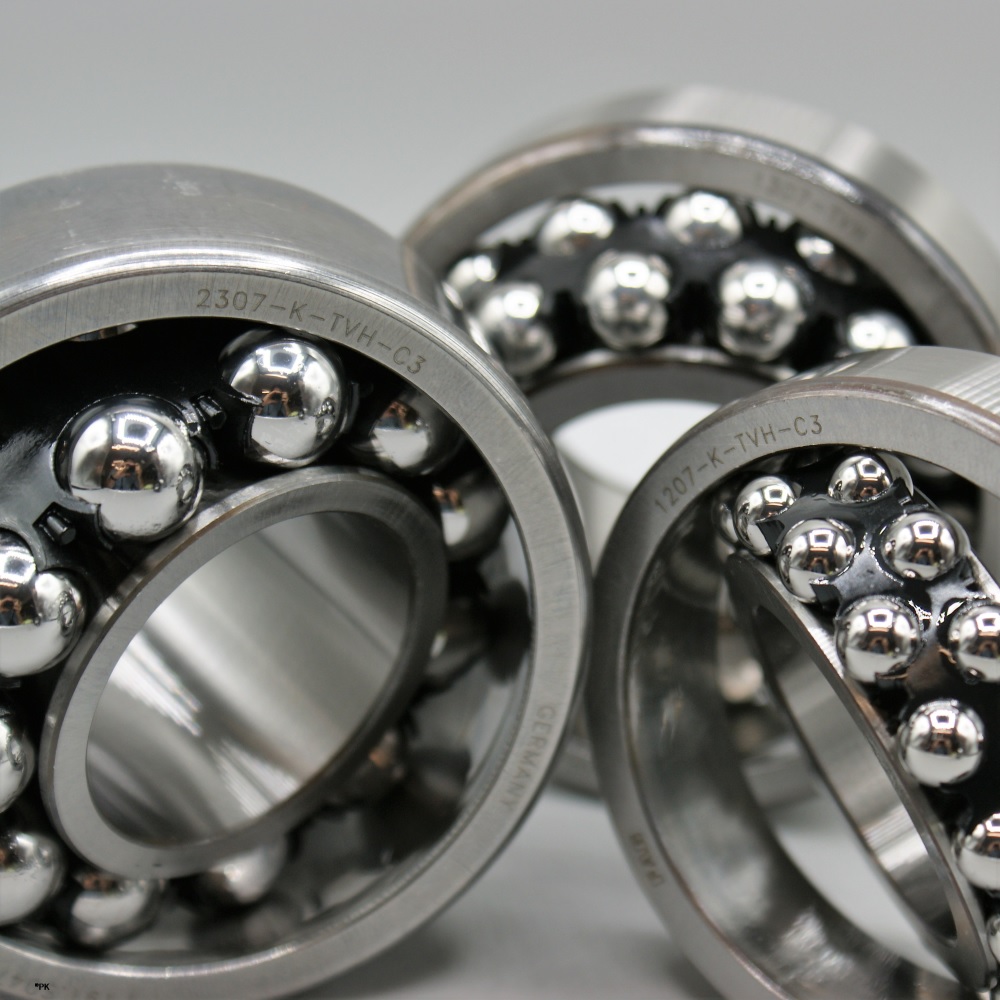
Are there specific industries or applications where self-aligning bearings are frequently used?
Self-aligning bearings find widespread use in various industries and applications where misalignment compensation, high load-carrying capacity, and reliability are crucial. Here’s a detailed description of some specific industries and applications where self-aligning bearings are frequently employed:
- Heavy Machinery and Equipment:
Self-aligning bearings are extensively used in heavy machinery and equipment, such as mining equipment, construction machinery, and material handling systems. These applications often involve high loads, dynamic forces, and operating conditions that can lead to misalignment. Self-aligning bearings help accommodate misalignment caused by factors like vibration, thermal expansion, and shaft deflection, ensuring smooth operation and prolonged service life of the machinery.
- Paper and Pulp Industry:
In the paper and pulp industry, self-aligning bearings are commonly employed in critical equipment like paper machines, pulp digesters, and drying cylinders. These applications involve high-speed rotating components and heavy loads. Self-aligning bearings can handle misalignment caused by temperature variations, mechanical stresses, and process fluctuations, maintaining the reliability and productivity of the machinery in this demanding industry.
- Steel and Metal Processing:
Self-aligning bearings are vital in steel and metal processing applications, including rolling mills, continuous casting machines, and metal shredders. These applications involve extreme loads, high temperatures, and harsh operating conditions. Self-aligning bearings help compensate for misalignment caused by thermal expansion, deflection, and heavy loads, ensuring the durability and performance of the equipment in this industry.
- Conveyor Systems:
Conveyor systems in industries such as mining, manufacturing, and logistics often rely on self-aligning bearings. These bearings accommodate misalignment caused by belt tension, shaft deflection, and uneven loading. Self-aligning bearings help ensure smooth and reliable operation of the conveyor systems, minimizing downtime and optimizing productivity.
- Printing and Packaging:
In printing and packaging applications, self-aligning bearings are commonly used in printing presses, packaging machines, and label applicators. These applications involve high-speed rotations, varying loads, and precise alignment requirements. Self-aligning bearings help compensate for misalignment caused by machine vibrations and thermal effects, ensuring accurate and efficient operation of the printing and packaging equipment.
- Automotive Industry:
The automotive industry extensively utilizes self-aligning bearings in various components and systems, including wheel hubs, transmission systems, and suspension systems. These applications encounter dynamic forces, varying loads, and misalignment due to road conditions and vehicle movements. Self-aligning bearings help absorb misalignment and maintain proper alignment between components, contributing to the safety, performance, and longevity of automotive vehicles.
These are just a few examples of industries and applications where self-aligning bearings are frequently used. Other sectors, such as agriculture, energy, marine, and aerospace, also rely on self-aligning bearings to ensure reliable and efficient operation of their equipment and machinery.
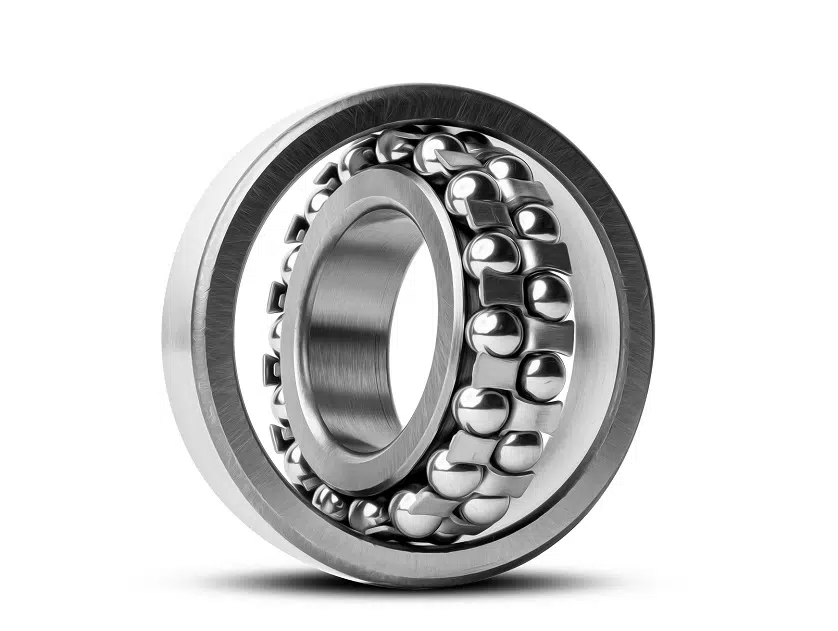
How do self-aligning bearings compensate for misalignment in machinery?
Self-aligning bearings are designed to compensate for misalignment in machinery, allowing them to accommodate angular misalignment, axial misalignment, and shaft deflection. Here’s a detailed explanation of how self-aligning bearings achieve misalignment compensation:
- Spherical Outer Ring Raceway:
The key feature of self-aligning bearings is their spherical outer ring raceway. This raceway is designed to have a curvature that matches the spherical shape of the rolling elements, such as balls or rollers. The spherical outer ring raceway allows the bearing to tilt or swivel in response to misalignment, enabling it to self-align with the mating components.
- Rolling Element Design:
The rolling elements in self-aligning bearings are carefully designed to facilitate misalignment compensation. For example, spherical roller bearings have barrel-shaped rollers, while self-aligning ball bearings have two rows of balls. These rolling elements can adjust their positions within the bearing, redistributing the load and accommodating misalignment between the shaft and the housing.
- Internal Clearance:
Self-aligning bearings often have a larger internal clearance compared to fixed or non-self-aligning bearings. This additional clearance provides space for the bearing components to move and adjust their positions during misalignment. The internal clearance allows the bearing to properly distribute the load, reduce friction, and prevent excessive stress on the rolling elements and raceways.
- Flexible Mounting:
Self-aligning bearings offer flexibility in their mounting arrangements. They can tolerate slight misalignments during installation, which simplifies the alignment process. This flexibility is particularly beneficial in applications where thermal expansion, shaft deflection, or other dynamic factors may cause misalignment during operation.
- Load Distribution:
When misalignment occurs, self-aligning bearings distribute the load more evenly across the rolling elements and raceways. This even load distribution helps reduce localized stresses and minimizes the risk of premature failure. By accommodating misalignment, self-aligning bearings allow for smoother operation and improved reliability in machinery.
It’s important to note that while self-aligning bearings can compensate for certain degrees of misalignment, there are limits to their misalignment capability. Excessive misalignment beyond the bearing’s specified limits can lead to increased friction, reduced bearing life, and potential damage. Therefore, it is crucial to follow the manufacturer’s guidelines and recommendations regarding misalignment limits and operating conditions to ensure optimal performance and longevity of self-aligning bearings in machinery.


editor by CX 2024-04-25